
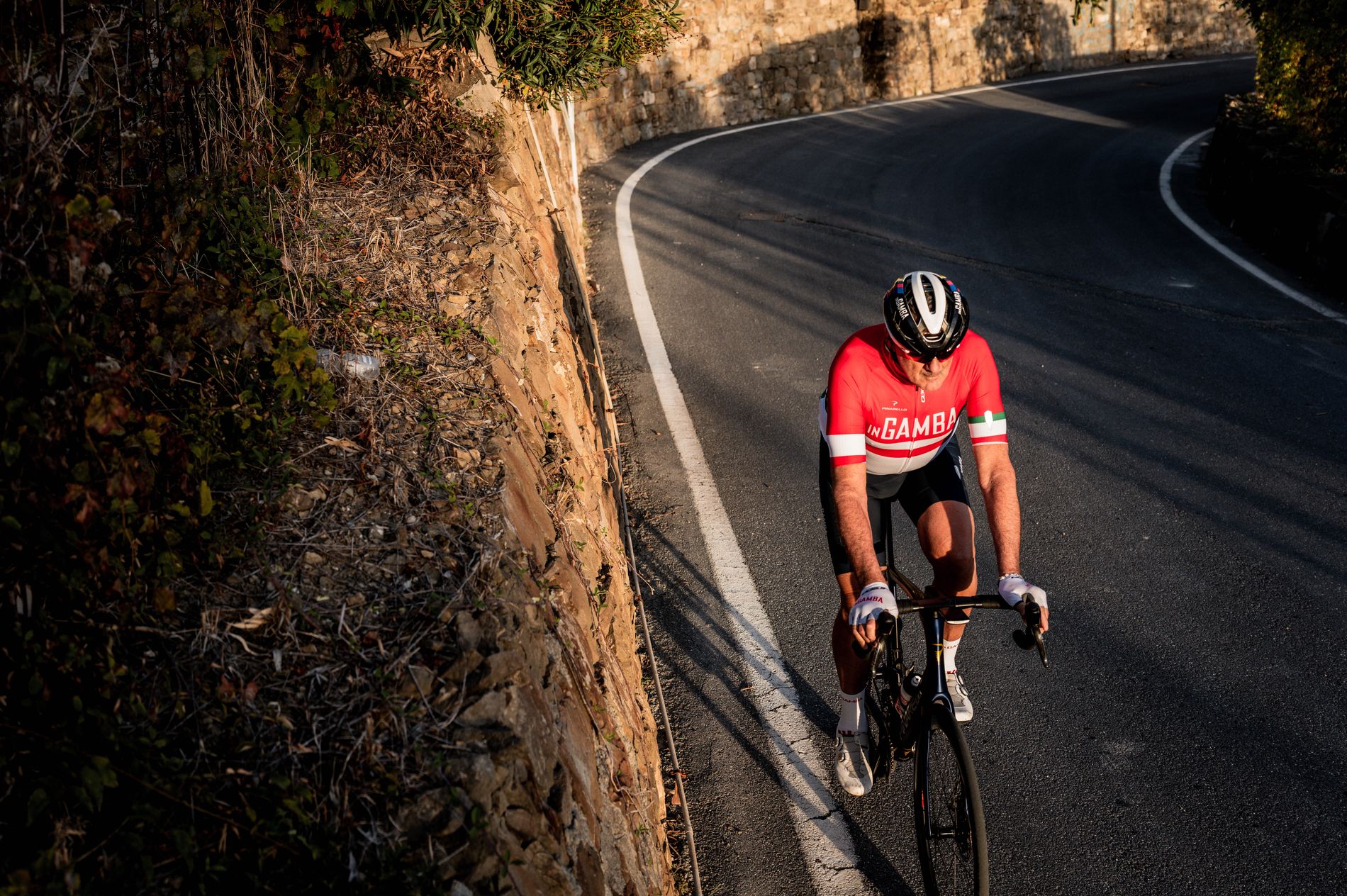
When inGamba creative director James Startt learned that Eros Poli was designing a new trip around the great cycling classic Milan-San Remo, he knew he had to be there. And so, the two met up in Milan to recon what promises to be a great new trip on the inGamba calendar.

It’s a cold, wet October morning in Castellania Coppi, and Eros Poli couldn’t be happier. “This will be the perfect coffee ride,” Poli says.
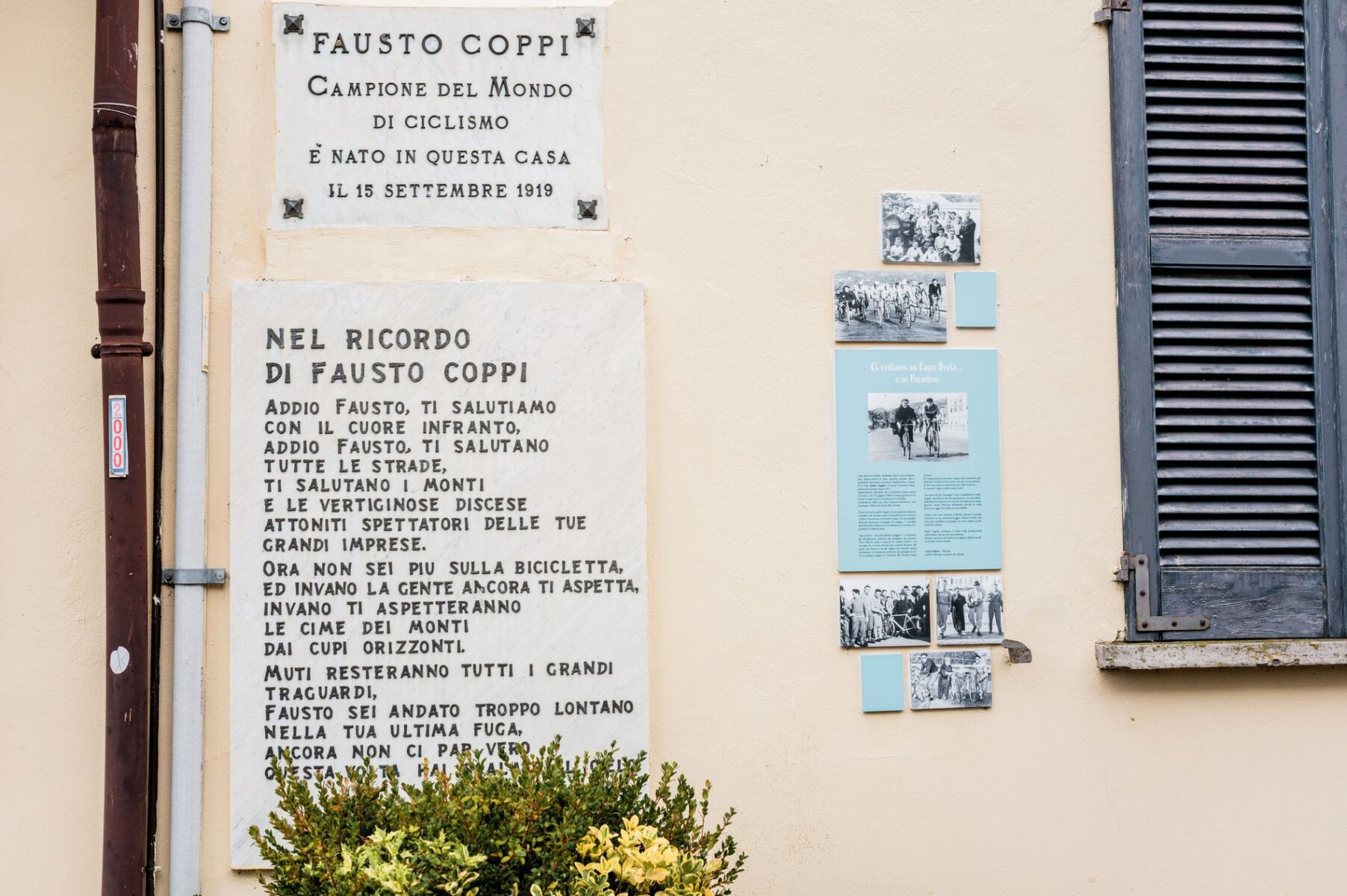
With a population of less than 100, it is safe to say that the village of Castellania is not a household name. But as the birthplace of a certain Fausto Coppi, it holds a special spot in the heart of cycling fans. And when Poli realized that the town was only about 20 kilometers from inGamba’s first hotel during our Milan-San Remo trip, he knew he had to work it into the trip itinerary.
Officially renamed Castellania Coppi, in celebration of the centennial of Il Campionissimo in 2019, this town defines “sleepy” on most days. Heck, it doesn’t even have a café, which, of course, complicates matters when one is considering it as the destination of a coffee ride. Poli, however, shrugs it off.
“We can just set up with the inGamba van, right here in front of Coppi’s house. It will be great!” Such details, it becomes evident, are comparative “no-brainers” for an experienced tour designer like Poli.
“I’m not really sure how many trips I have designed now,” says Poli. “Maybe 12 or 13. I designed the Lakes and Climbs trip, the Dolomites trips, the Croatia trip and now the Milan-San Remo trip.”
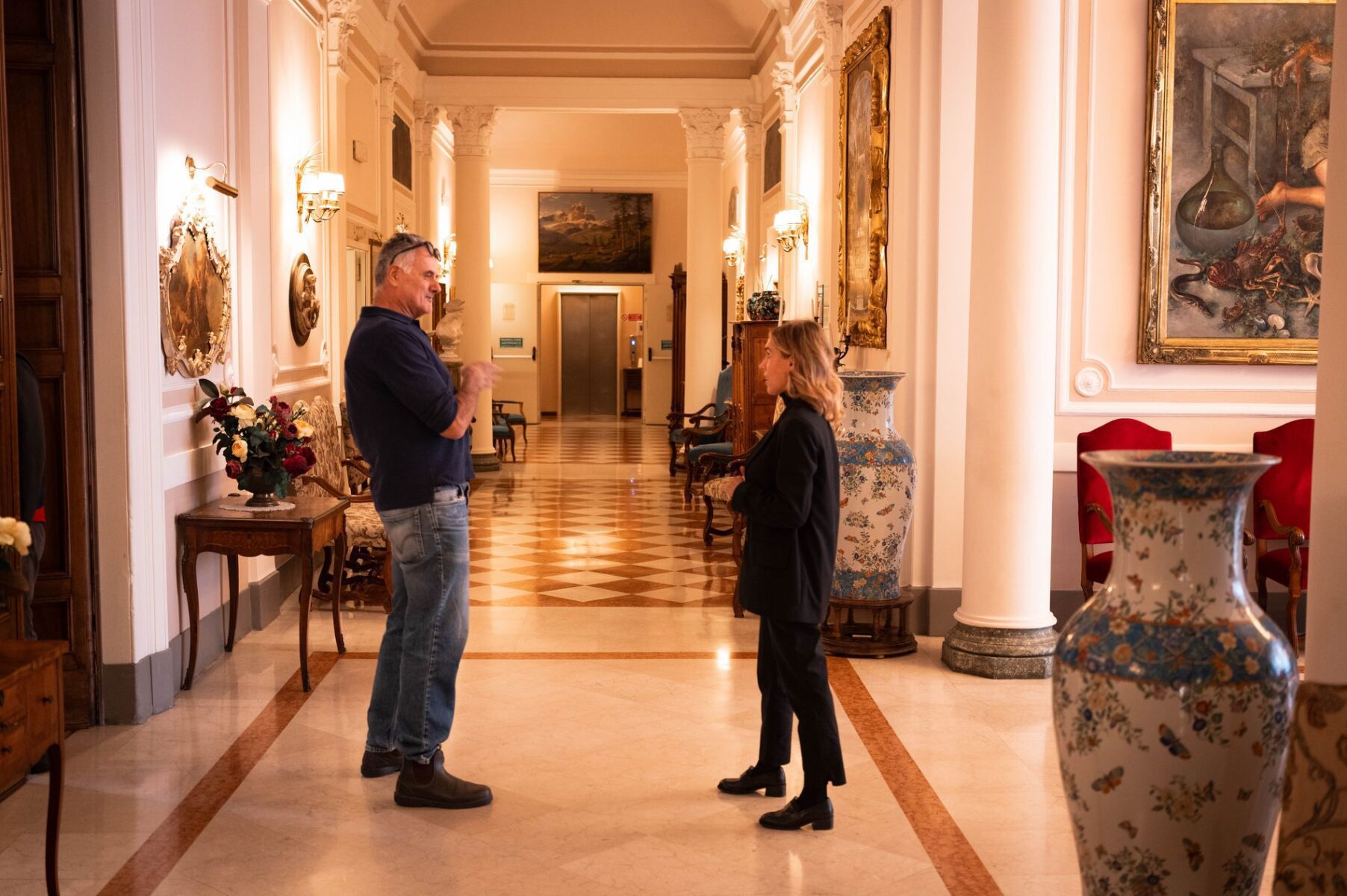
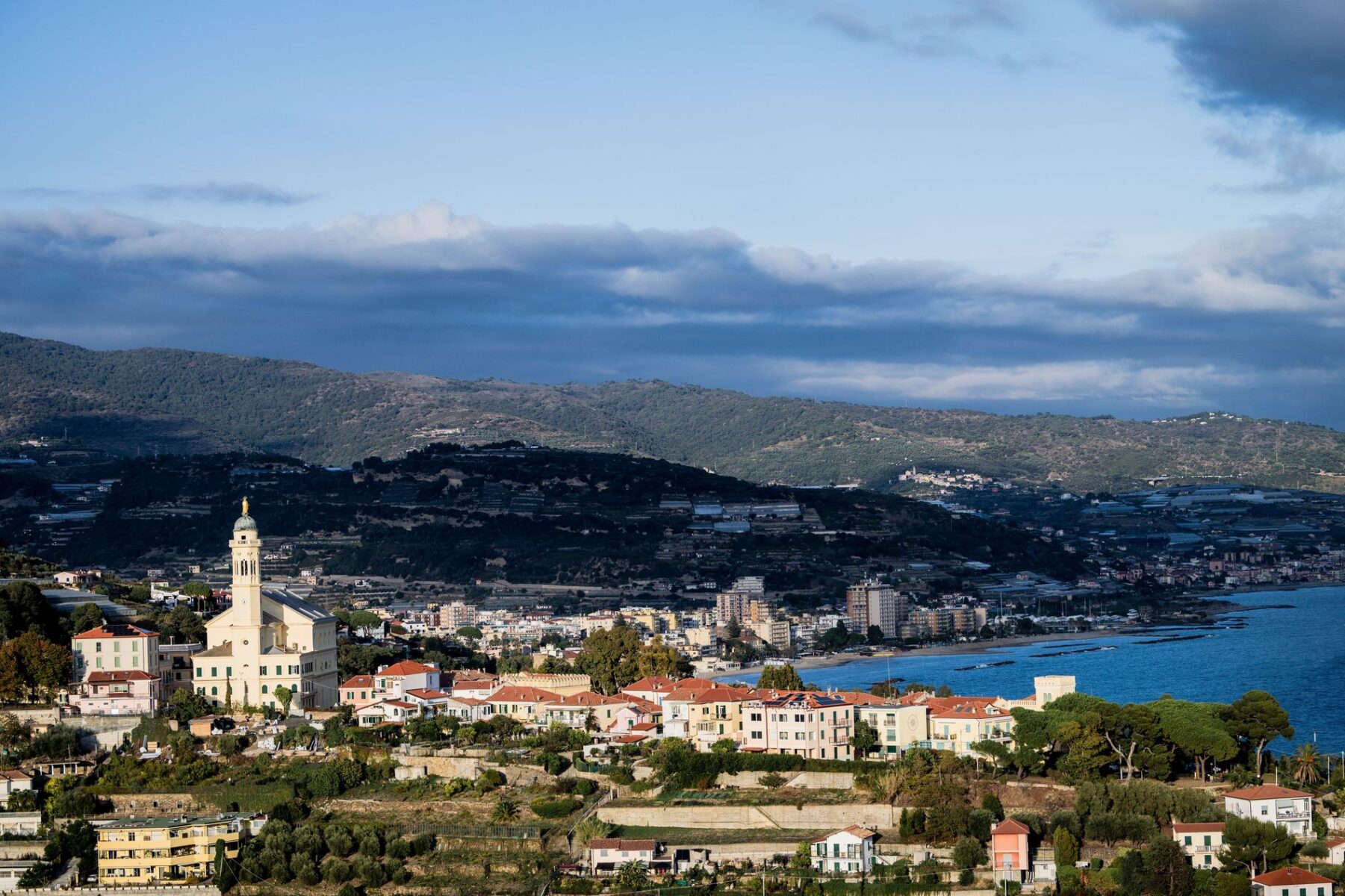
Riding recon with Eros Poli is a memorable moment for me. Conversation flows easily between recollections of his racing days to details around the route at hand. And when he is not driving, Poli can often be found—his reading glasses perched on the edge of his nose—studying his many mapping applications as he searches for the best roads to ride, not to mention the ideal locations for coffee stops.
“There are a lot of factors I try to take into account. There is the ride itself, the itinerary that is interesting, but also the choice of roads. The first thing is to find not only beautiful roads but safe roads,” Poli says. “You have to drive all of the roads and check. Of course, you can do a lot with GPS and other navigation apps, but you still must come see the roads yourself. That is super important.”

Often in the morning, he comes to breakfast with a new set of ideas. And on the second day of our trip, Poli was particularly excited. “So yes, I think on the day after the Coppi ride, we can ride over the Turchino Pass,” he tells me. “That is such a historic climb for the race and there is that beautiful descent down to the sea. And then, according to my maps, there is a new bike path all along the Mediterranean Coast. I definitely want to check that out.”
While Poli already has a certain idea concerning the day-to-day itineraries before travelling to each destination, he insists that the actual recon is invaluable. It is here where he can definitively verify each and every road, as well as potential lunch spots and hotels. Snags and hiccups are commonplace, and already while scouting the first ride, we found that one section of road was on a steep gravel climb, too narrow for the inGamba follow vehicles and simply too technical for many cyclists. Another road on another day proved to be too heavily trafficked, with little to no shoulder. But such stumbling blocks are challenges that Poli likes to have, and part of what motivates him when designing trips.
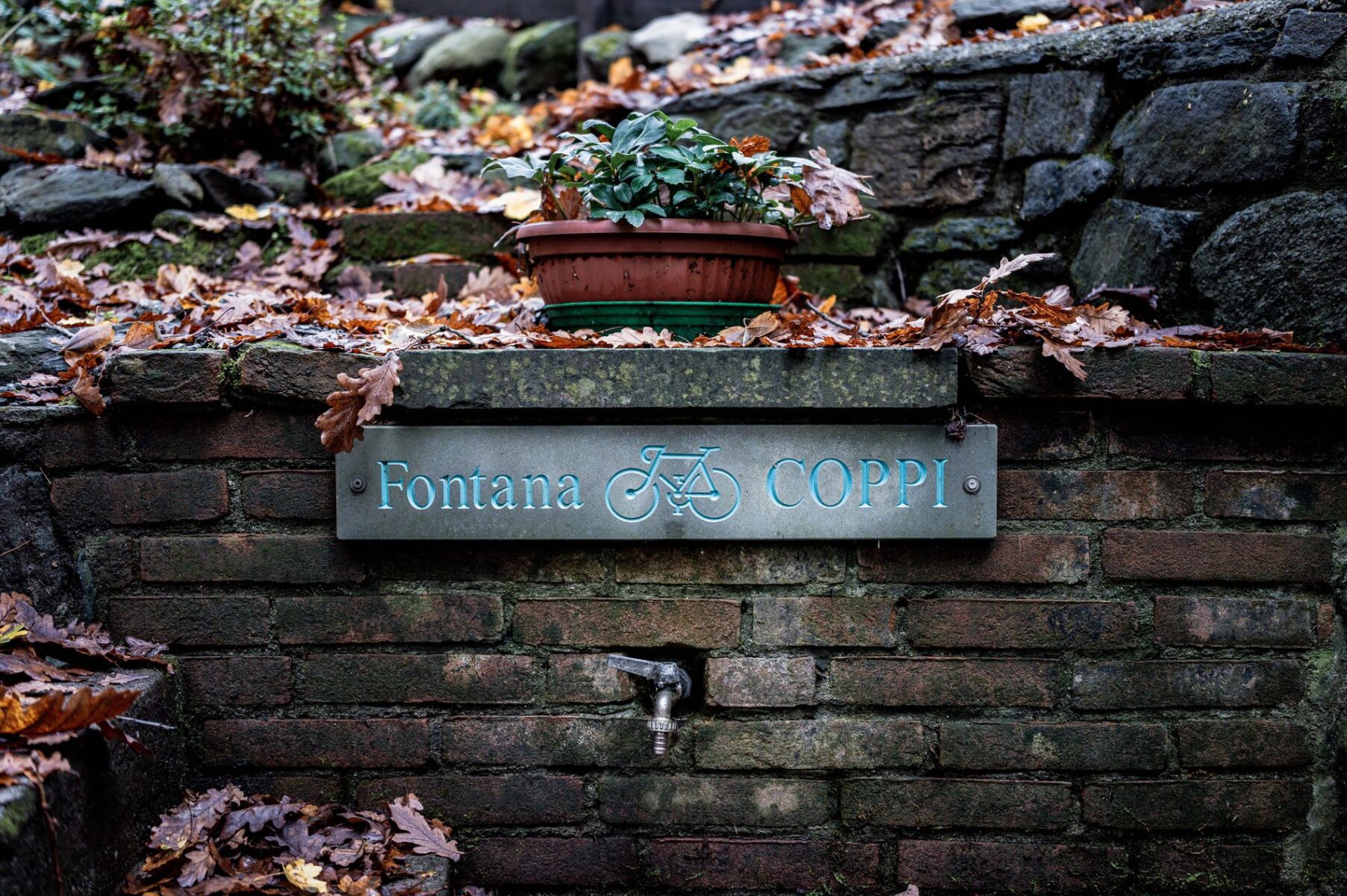
But recons also offer pleasant surprises. Driving up the Turchino Pass, for example, we suddenly passed a sign for Fontana Coppi, a small watering hole where Coppi stopped on training rides. And at the summit, a monument paid homage to Constante Girardengo, a six-time winner of the race. Both discoveries only bolster the historical connection to this trip.
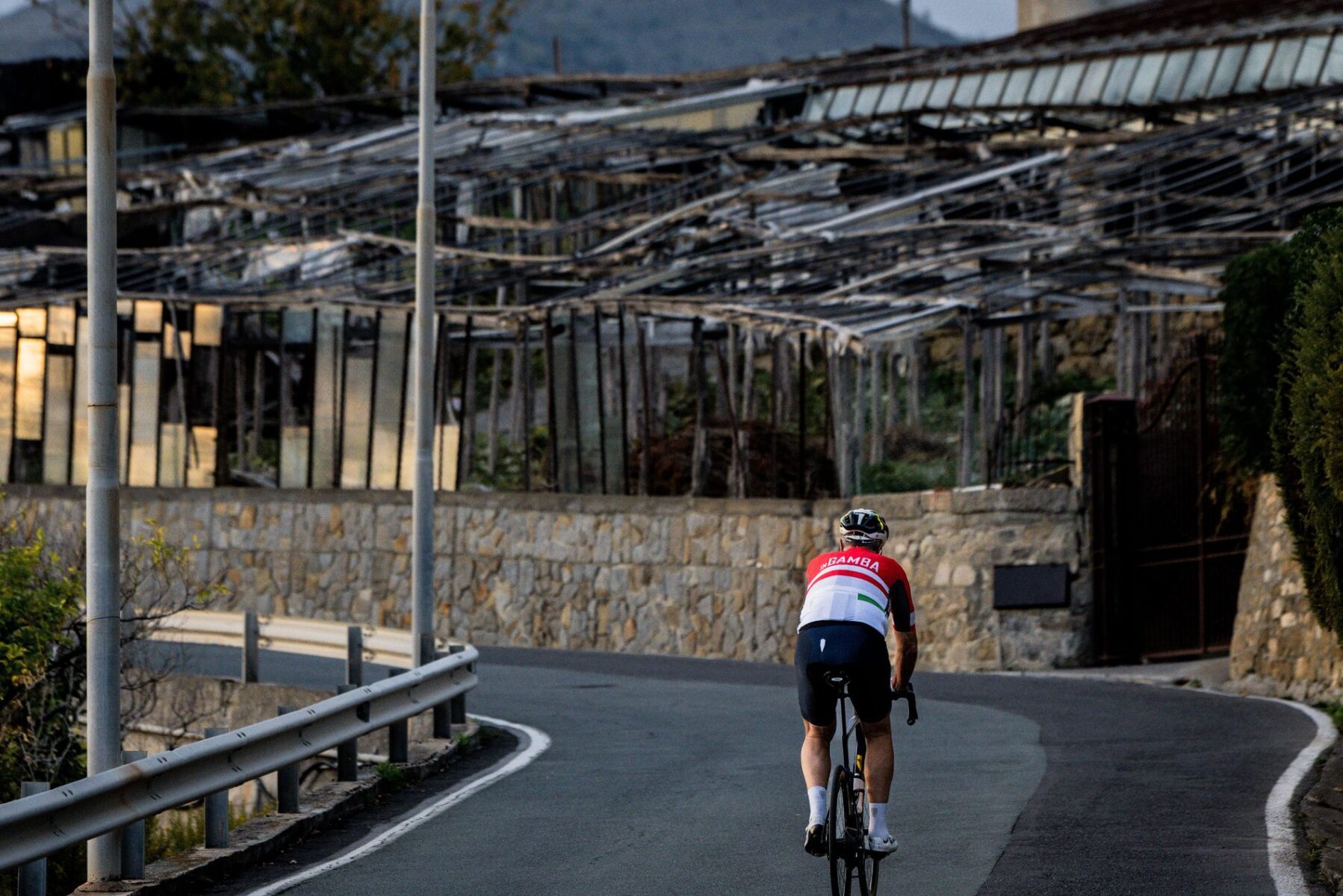
Poli was also pleased to discover that the descent of the Turchino had just recently been repaved. But what really excited him was discovering the new bike path along the Mediterranean. Stopping the car shortly after reaching the coastline, Poli pulled out his own personalized Pinarello Dogma and suited up. “I’m going to ride this part just to check it out. But I think it will take us all the way to our lunch stop.”
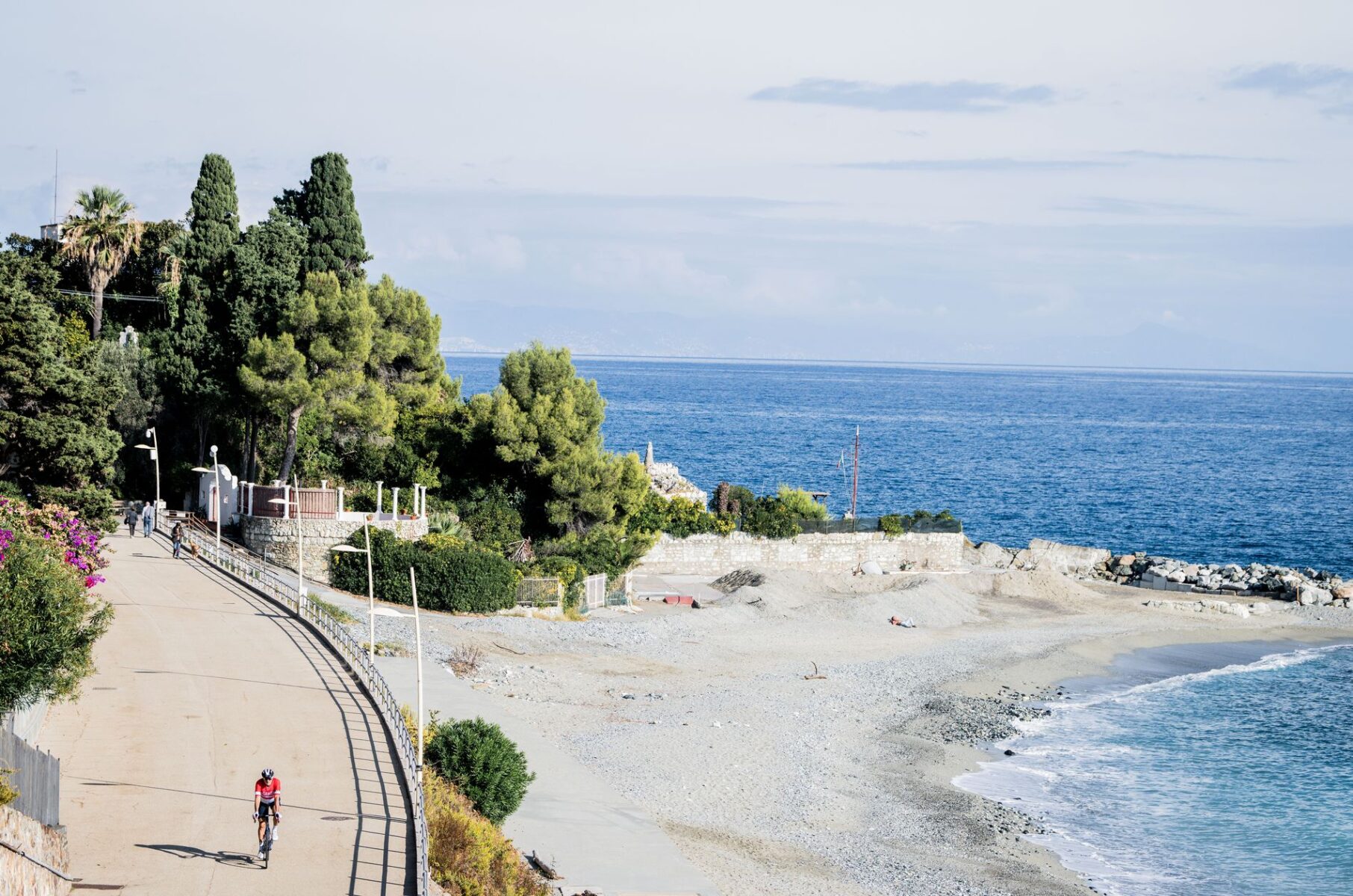
Constructed on the old railway that skirted along the sinuous coastline of Italy’s Liguria region, it was impossible to follow Poli in the car, so I drove ahead and waited on the edge of Varazze. Looking down on the bike path, Poli finally appeared out of a tunnel. And he couldn’t have been happier. “Okay, there was a bit of a detour in the beginning, but after that, it was just amazing. A great road with great views, and no cars.”
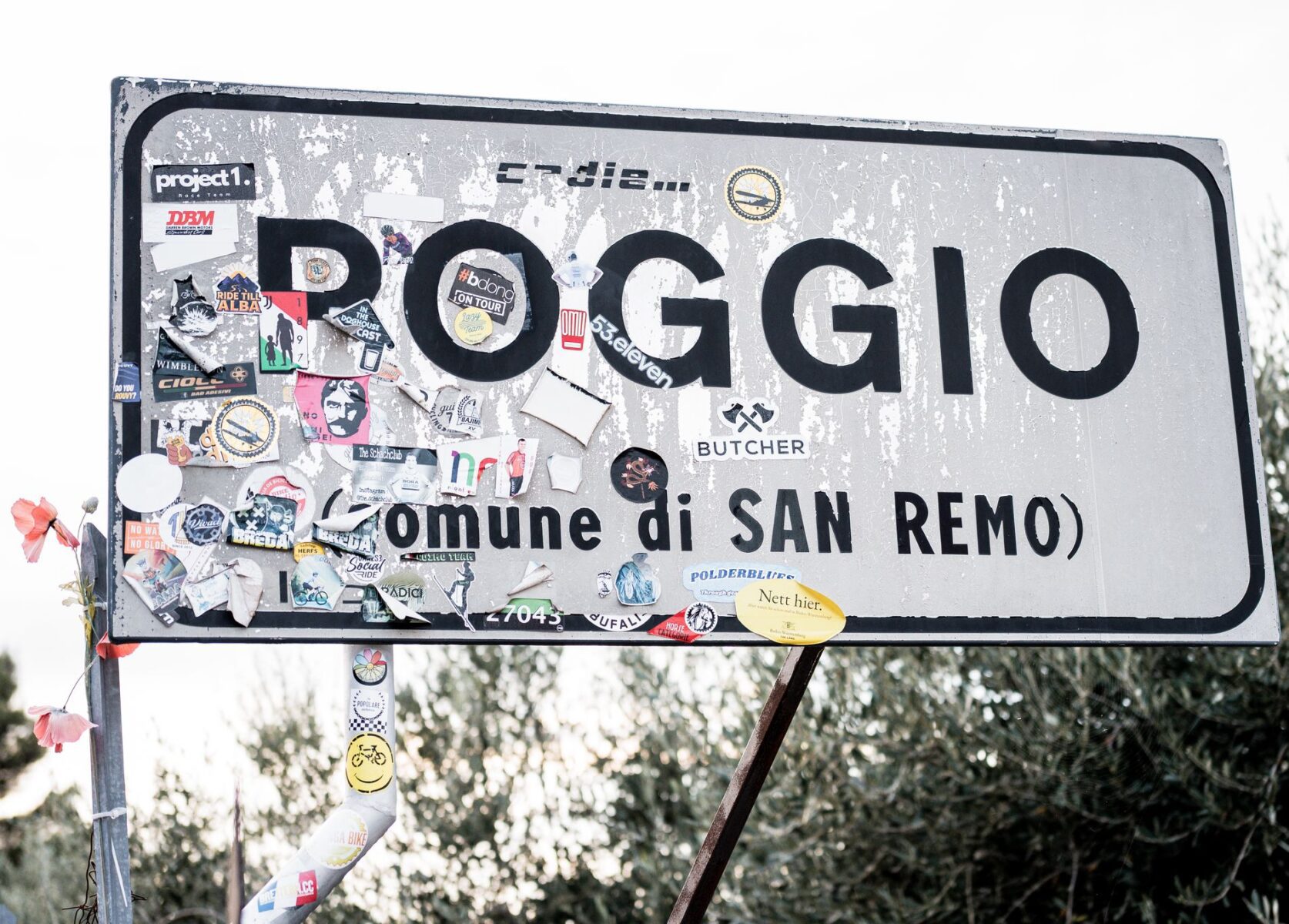
On paper, there was less need for recon as we approached San Remo. After all, Poli had raced up the classic final climbs like the Cipressa and Poggio on numerous occasions. But he still wanted to verify the roads, as well as the final hotel.
One thing became abundantly clear when riding recon with Poli was that, as much as loves riding, he truly loves designing rides. And as our Milan-San Remo road trip comes to a close, Poli seems satisfied.
“I really wanted to do a Milan-San Remo trip because it is such a beautiful race and it is the first Monument of the season. But the race really only happens in the last 40 kilometers when the riders hit the Cipressa and then the Poggio,” he says. “So, I had to find other aspects that would make this week interesting. But passing by the town where Coppi lived adds a really nice element, as does the ride up the Turchino and the ride along the Mediterranean Sea. So suddenly there are several dimensions to this week.”
“It’s going to be a great trip!”