InGamba worships the culture and the passion that goes into races like the Tour de France, but these iconic events are nothing without their fans. Here, our creative director James Startt shares some fan moments from this year’s Tour and Tours Past.
As the Tour de France crosses through central France—often known as la France profonde—it is hard to ignore the steady stream of fans lining every road. These are not the high roads of the Tour de France, or the Champs-Élysées, where one might expect fans to flock. No, these are the quiet back roads of France, often virtually uninhabited, and, in the case of regions like the Corrèze or the Allier, places that officially have more cows than people.
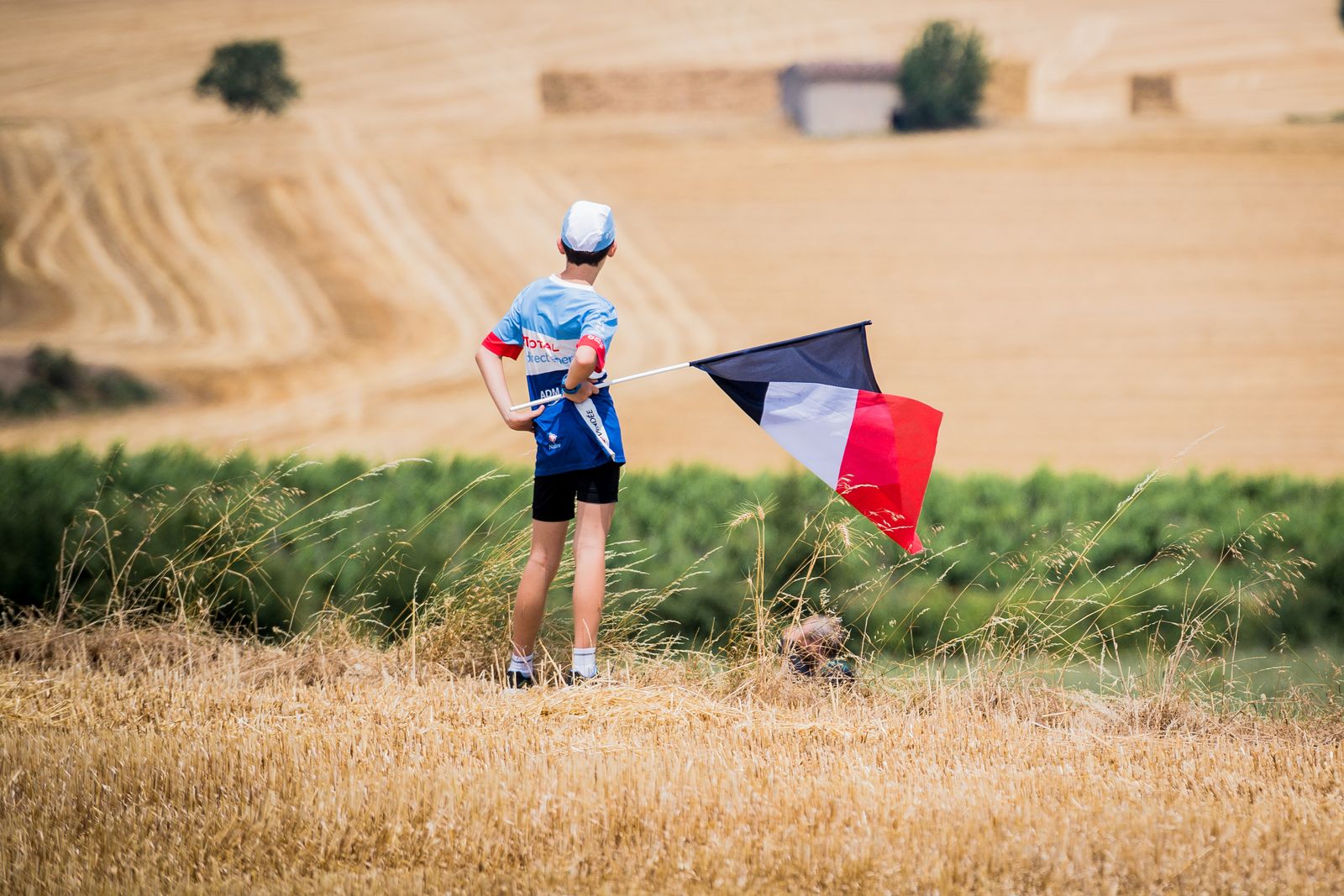
But when the Tour comes to town, these roads are suddenly transformed by the race’s fans. And in many ways, it is the ever-growing number of fans who flock to the Tour that lies at the heart of the race’s global popularity. Every cycling fan, it seems, wants to see the Tour at least once in their life.
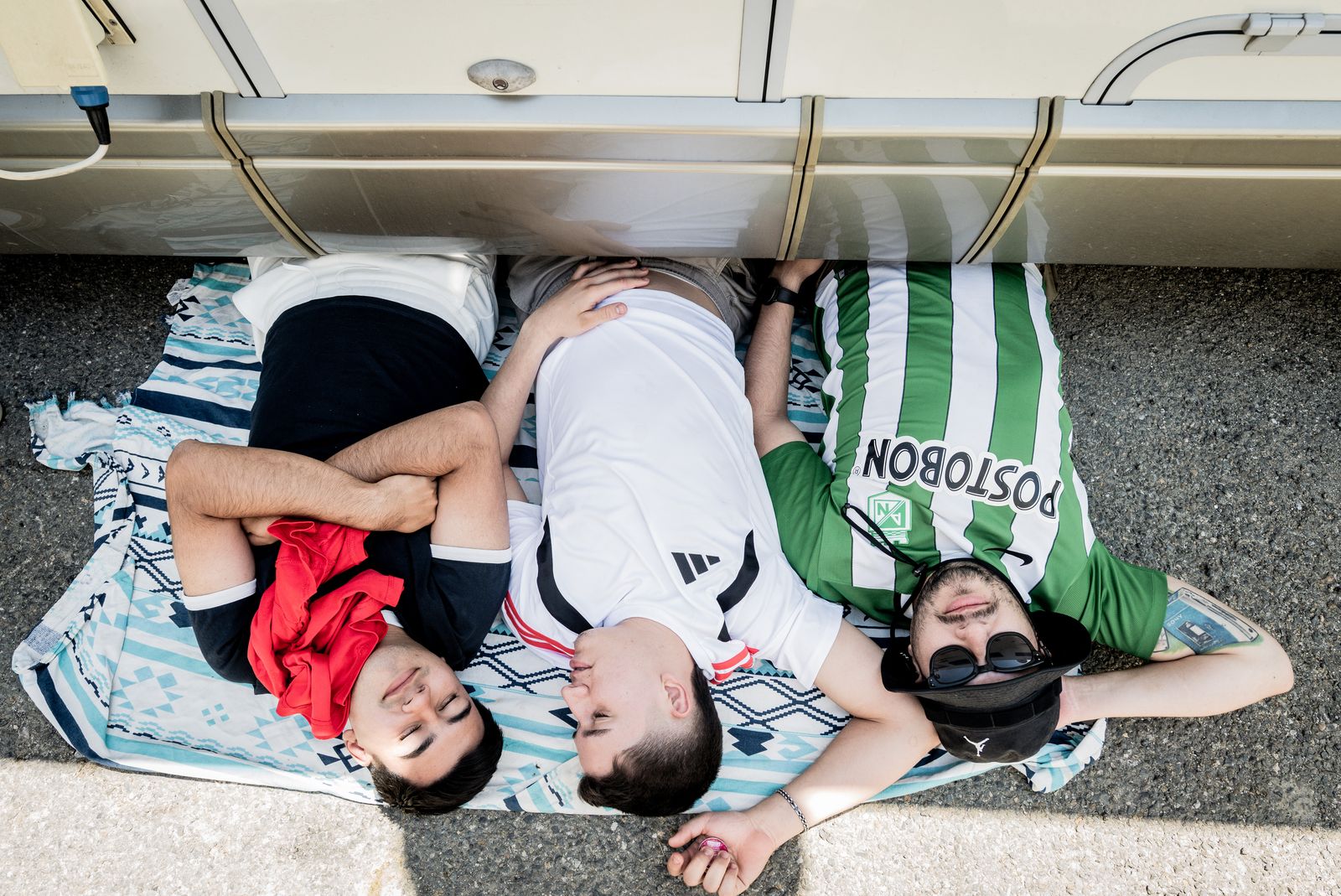
Part of the reason for the Tour’s enduring popularity is simply that so much of France is on vacation, allowing people to spend long hours camping or picnicking along the roadside.
The first paid vacations in France were introduced by Socialist Prime Minister Léon Blum in the 1930s, a fact that former race director Jean-Marie Leblanc often pointed out. It mattered little that Leblanc was a staunch conservative (not far-right, just right); he understood that such holidays were central to the Tour’s popular success.
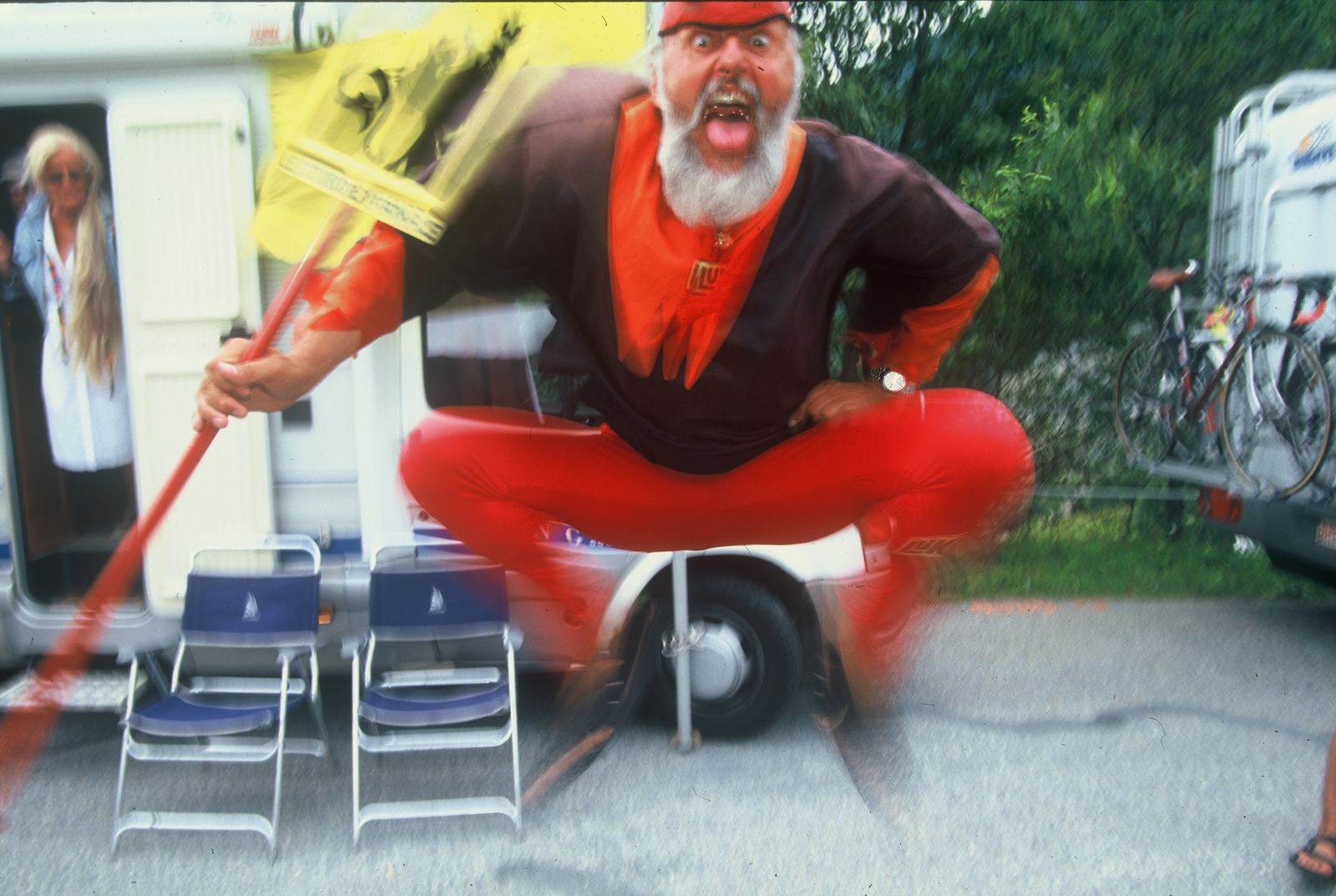
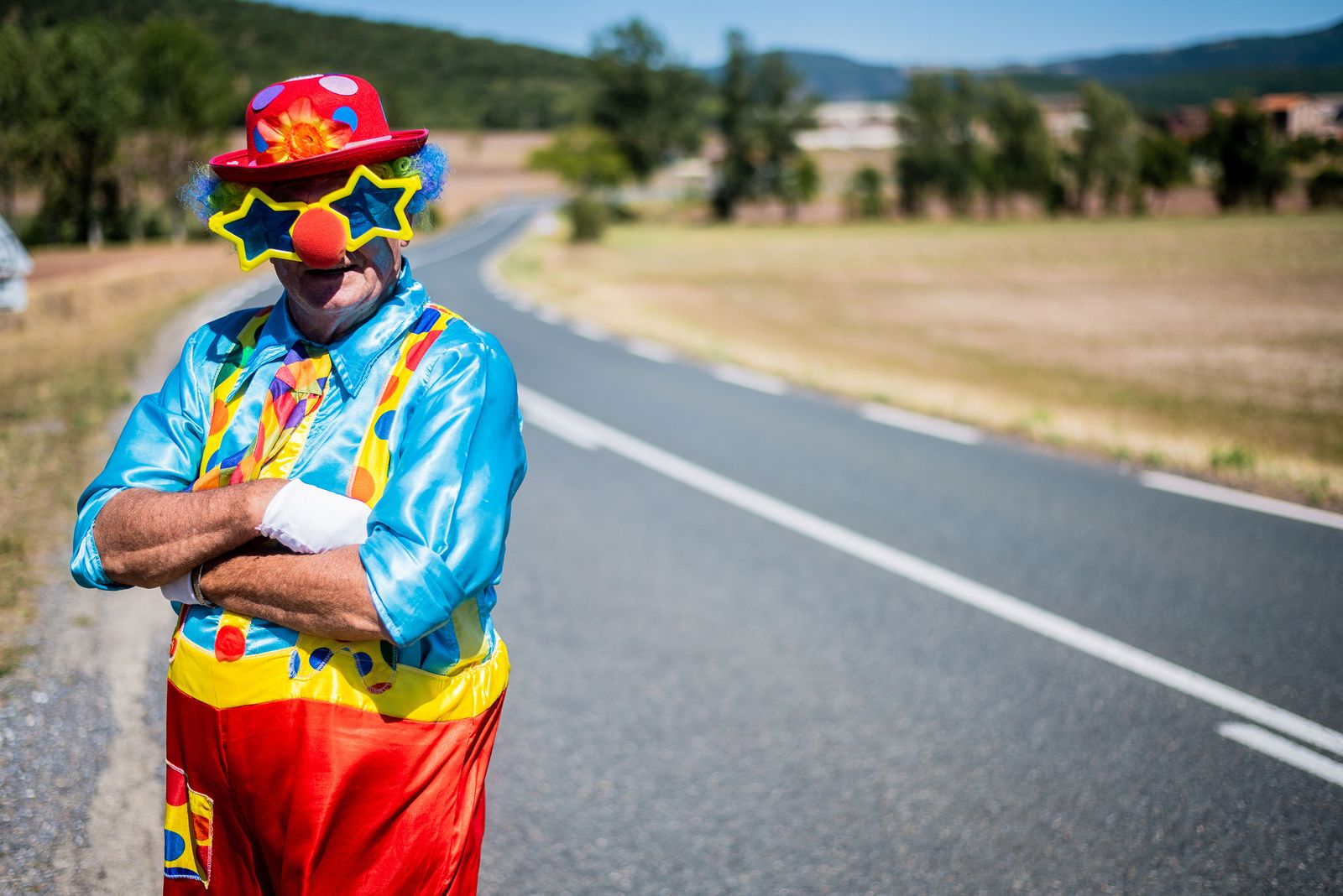
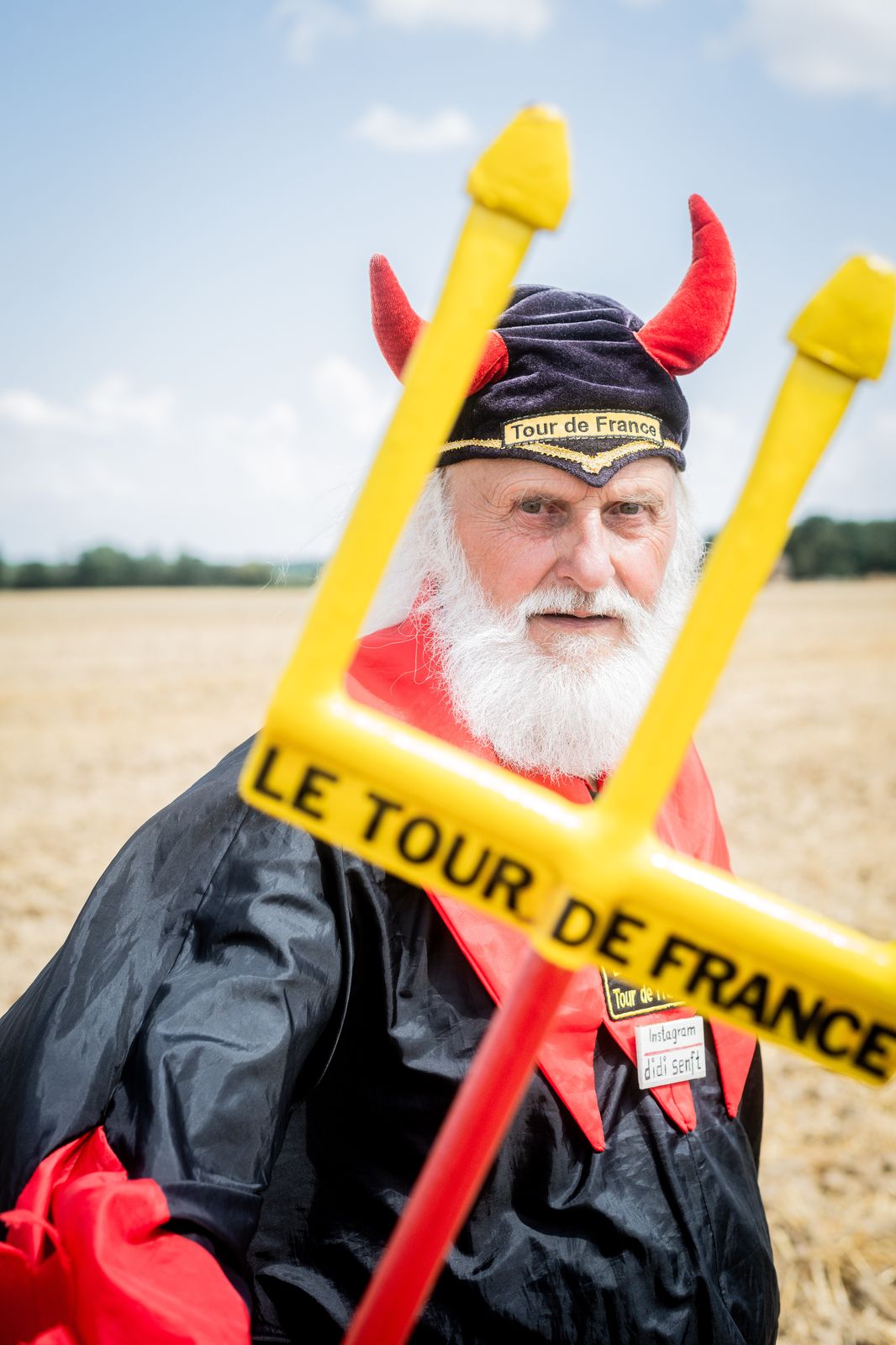
Over the years, I have made friends with some of the fans along the roadside, whose campers I have come to recognize. There are, of course, the most extroverted fans, like Dieter Senft—better known as El Diablo—who has been tirelessly jumping around in his red tights for the past 25 years. He inspired a generation of superfans, including Ricardo the Angel and Jojo the Clown.
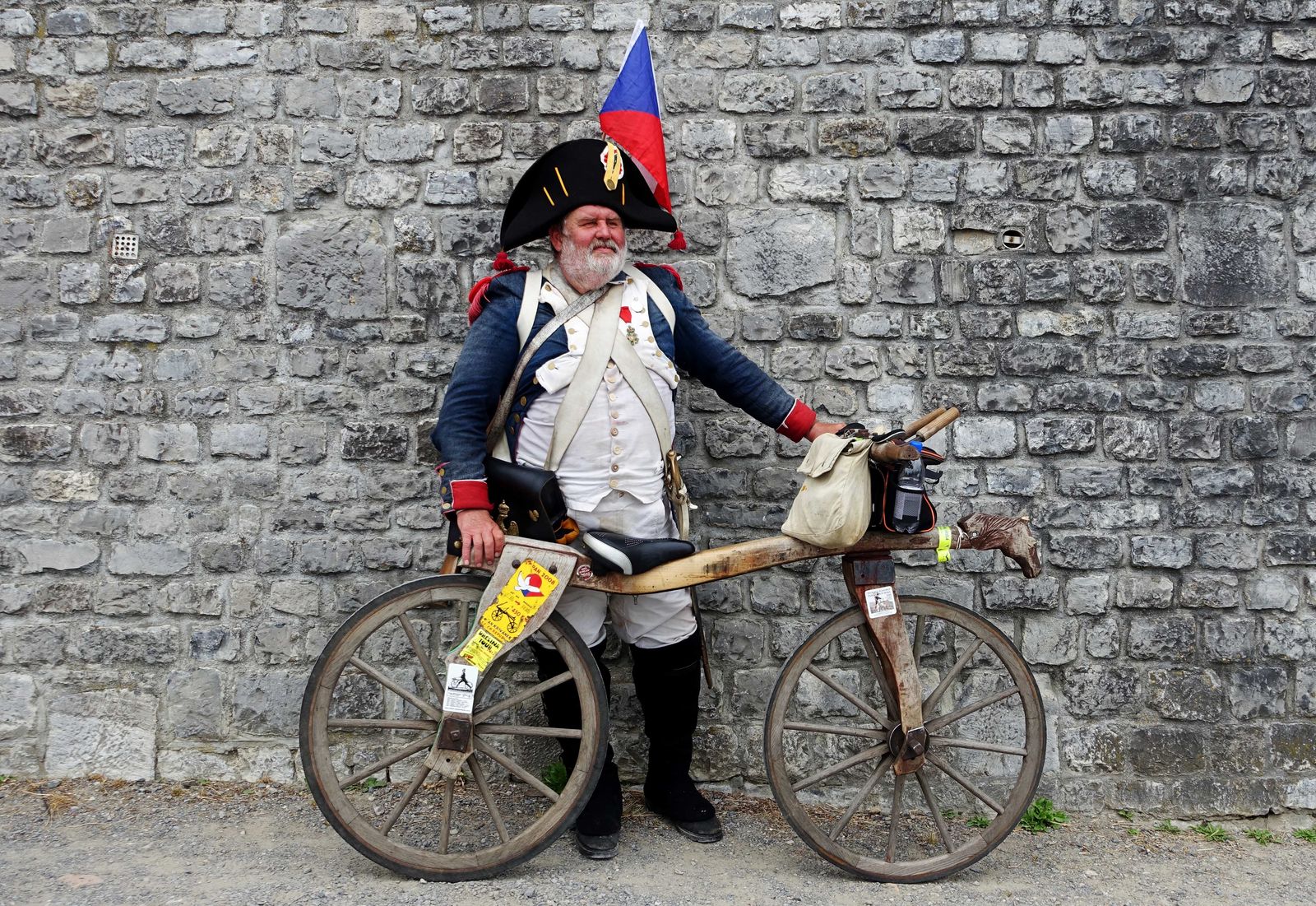
In one of my more uncanny encounters, I once met a fan dressed up in 19th-century military attire–a fan of Napoleon he said–who was committed to riding his wooden Draisine bike along the Tour de France route. I don’t know if he made it all the way to Paris, and I don’t recall him coming back in the years that followed.
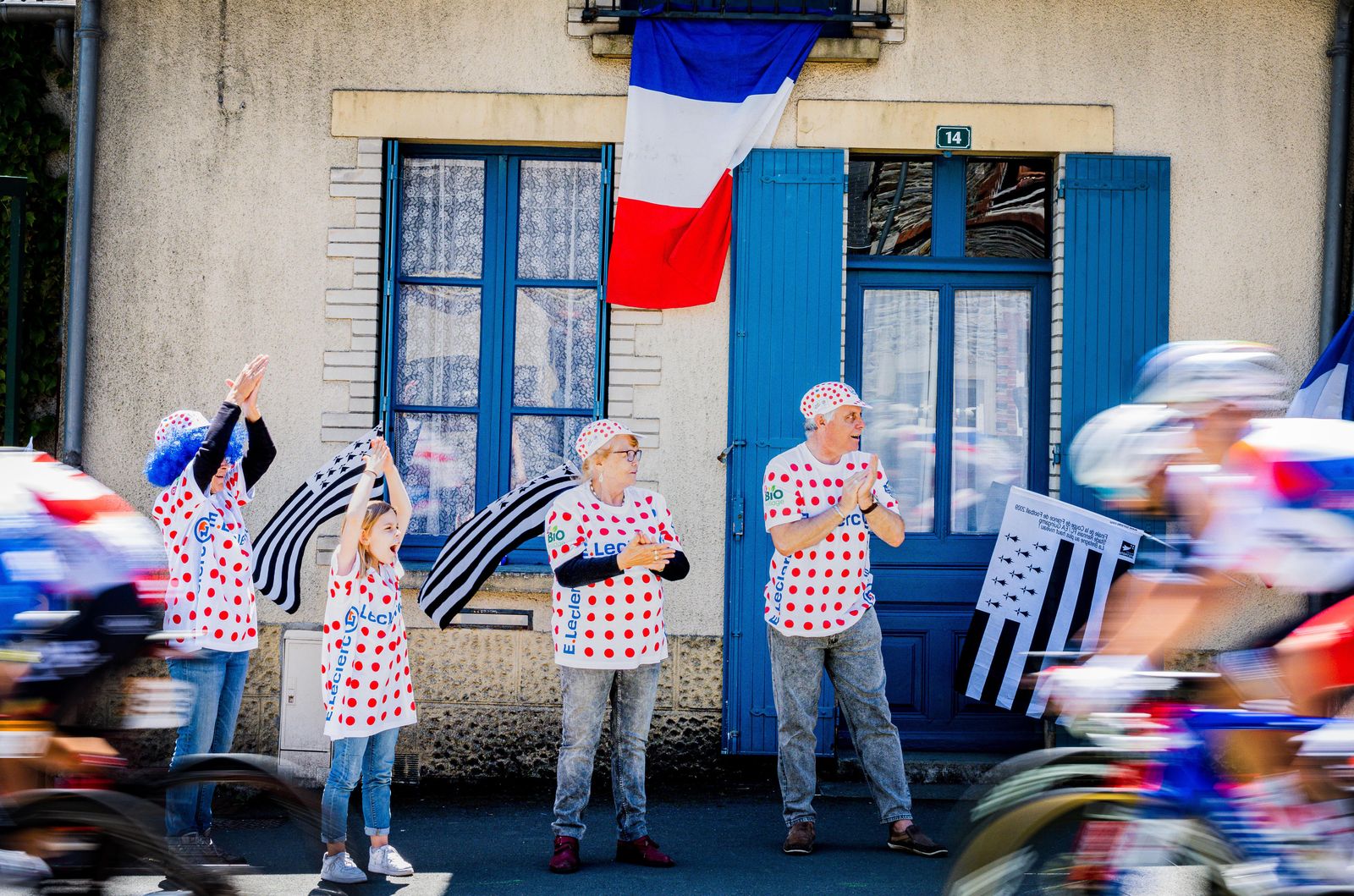
But for every Dieter, and for every superfan, there are thousands who attract less attention, and yet they too make up the heart and soul of the Tour.
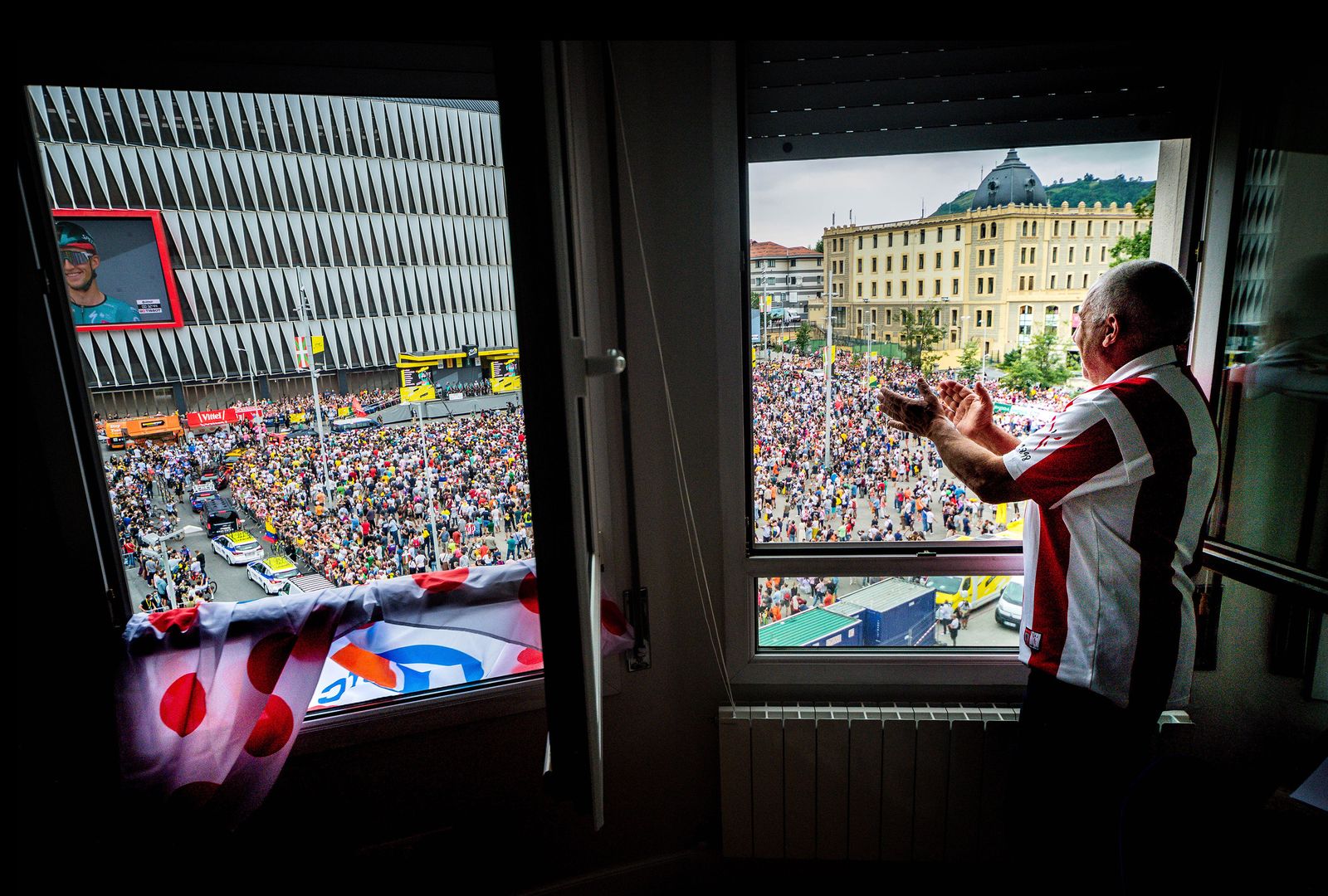
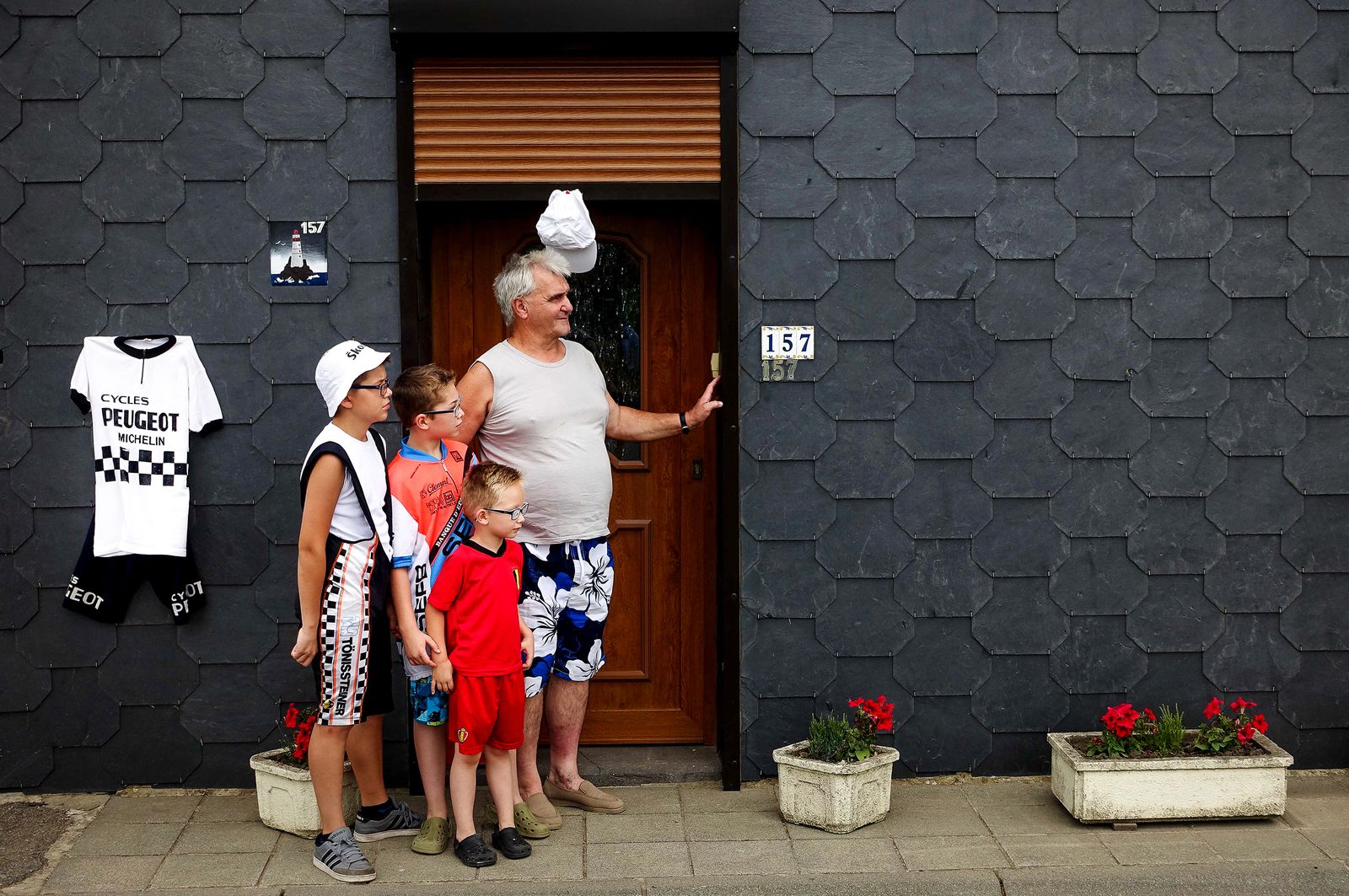
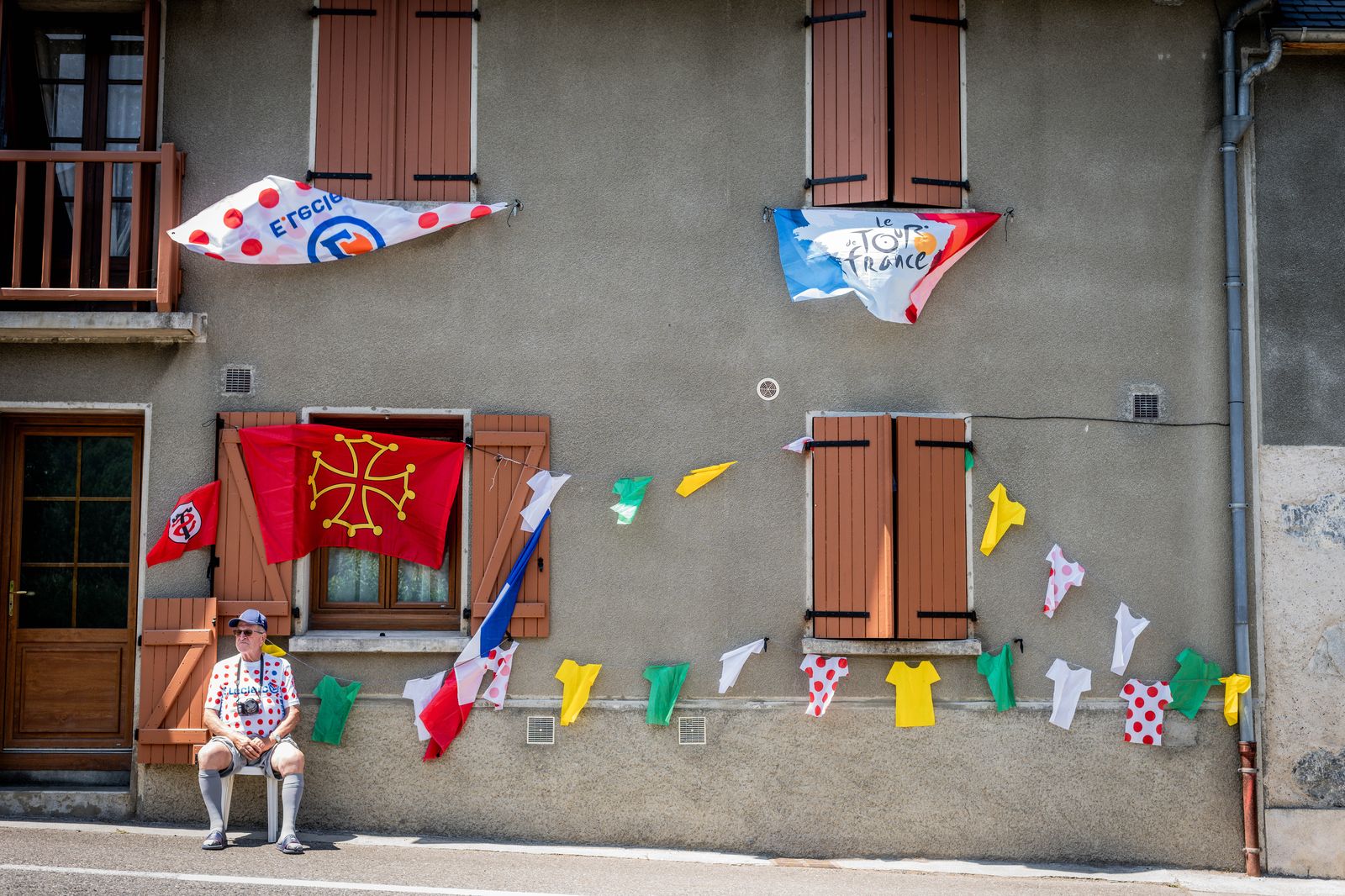
Sometimes the Tour comes to them, and they are content simply to observe this great spectacle from their window or doorway.
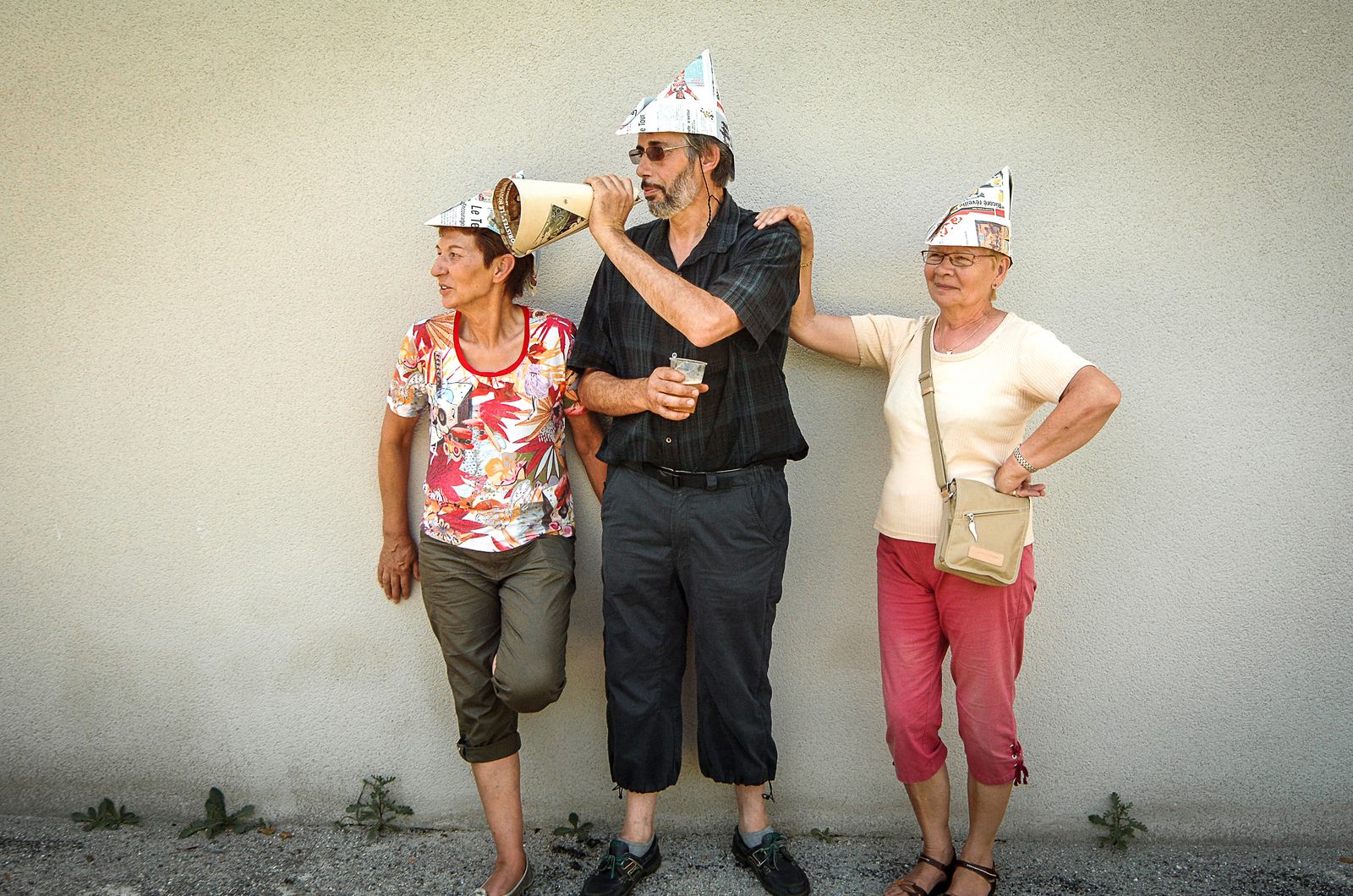
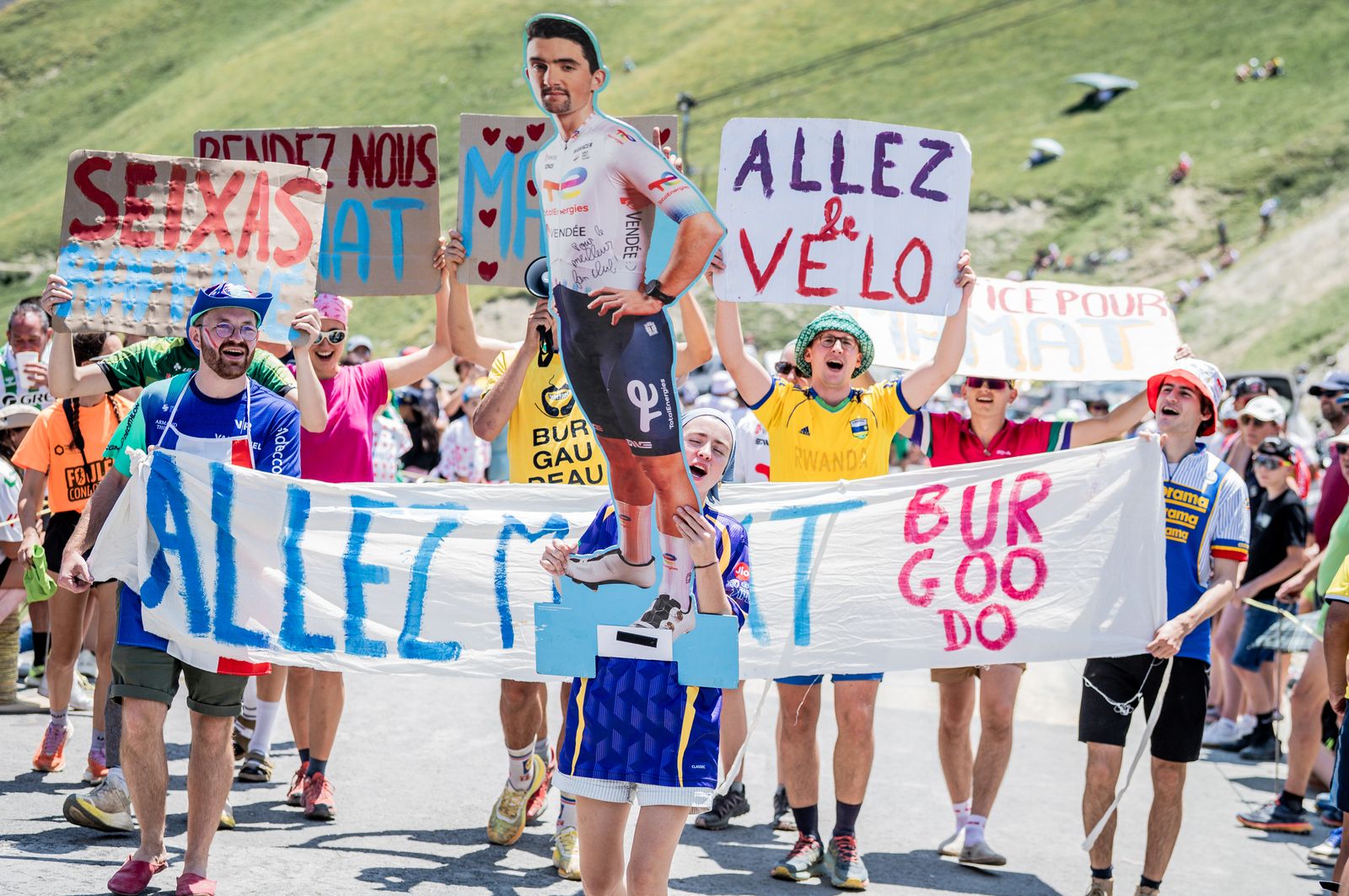
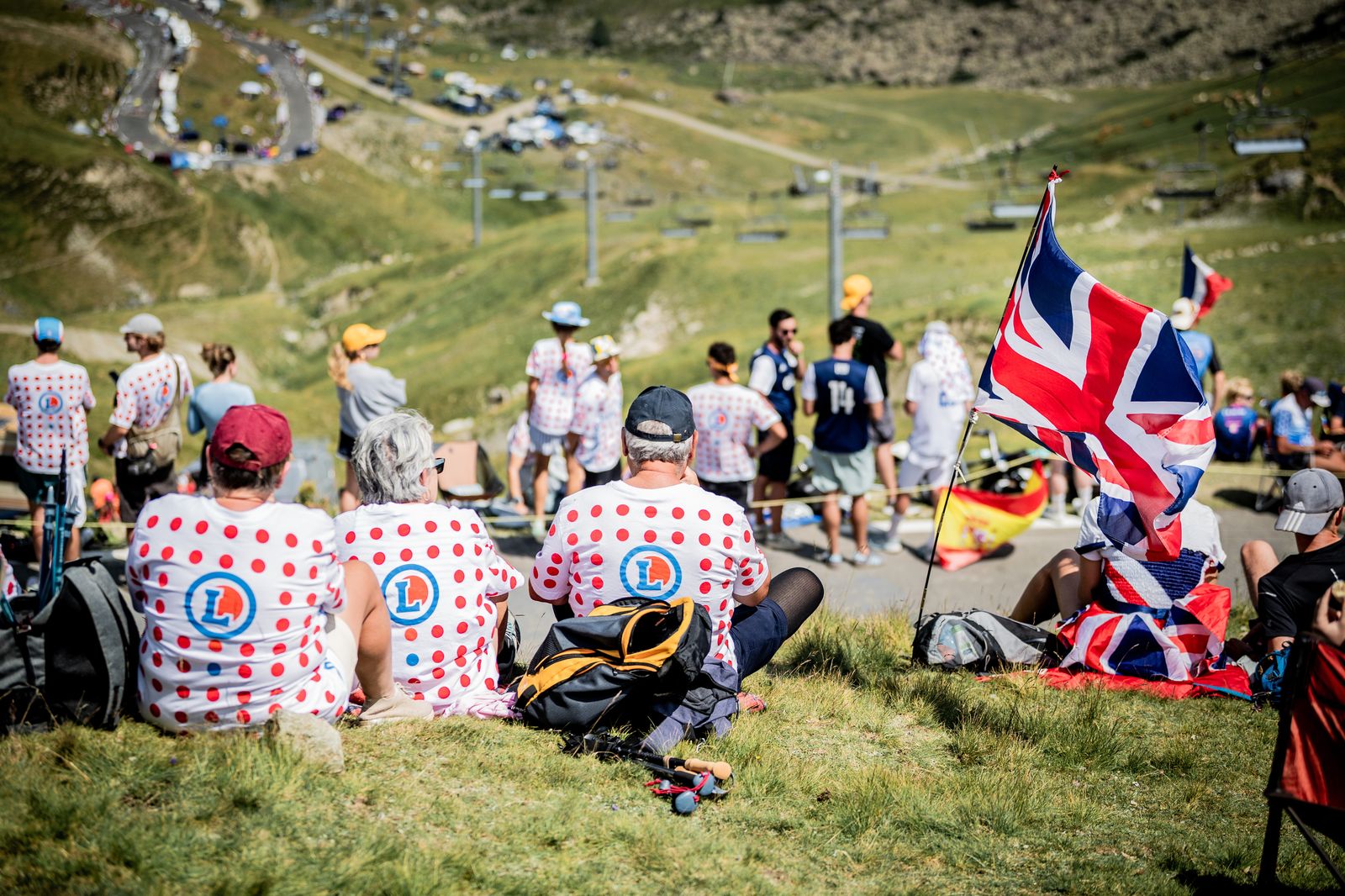
Some will climb mountains to cheer on their favorite riders, like a group of French fans of Mathieu Burgaudeau, who marched up and down the Tourmalet last week singing the praises of their local hero. Never mind that Burgaudeau is not in this year’s race.
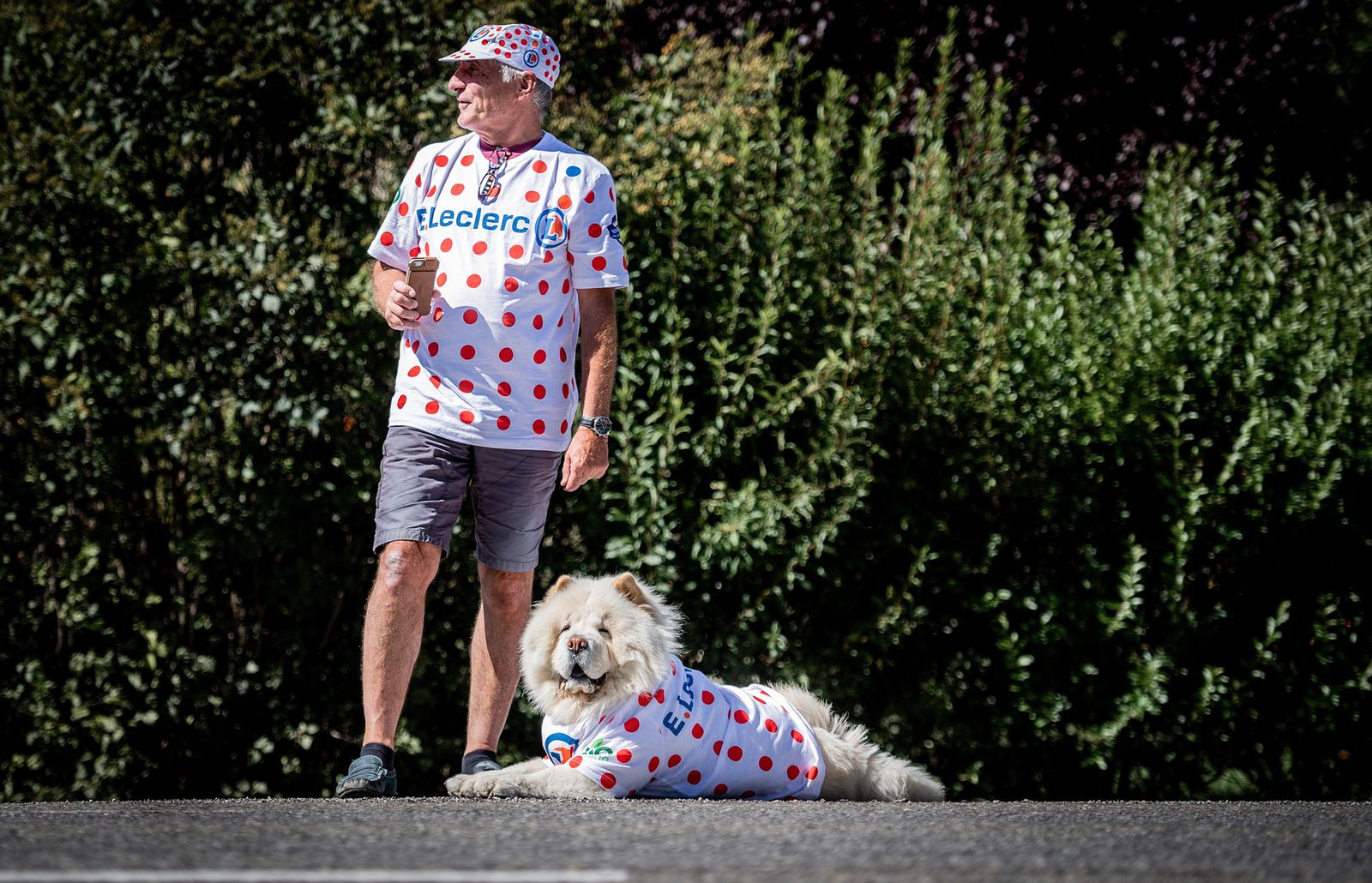
Others could not be happier to score one of the thousands of polka-dot T-shirts distributed each day by the supermarket chain E.Leclerc—a major Tour sponsor. And who knows? If there are enough to go around, they may even dress up their dog.
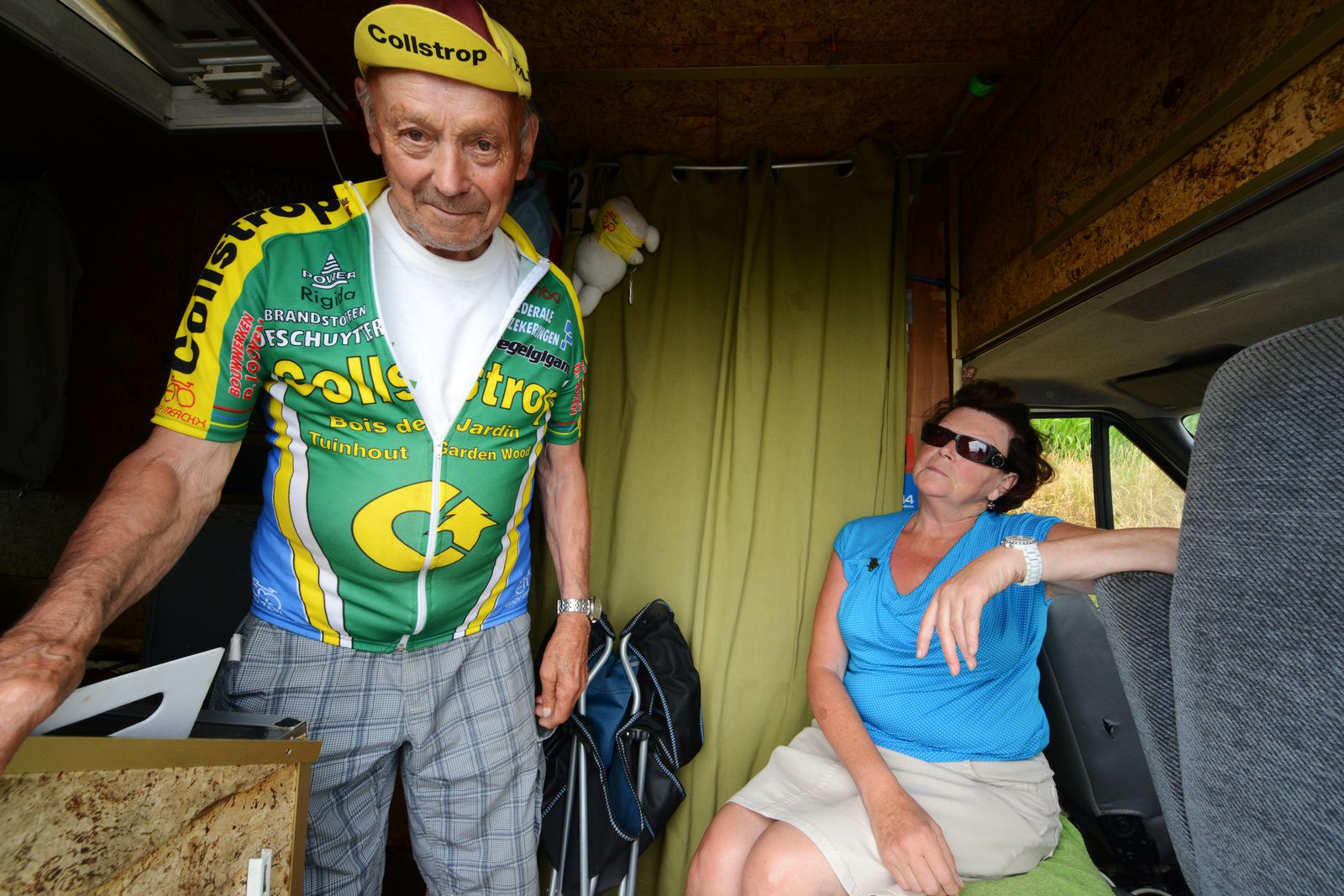
Some fans barely make any noise at all, and yet they manage to leave a lasting impression on the race. This was never more true than in the case of the Belgian Lucien Blyau, who for decades stood by the roadside handing mini cans of Coca-Cola to the riders. They could easily identify him by his trademark yellow-and-green Collstrop jersey. And they often found just enough time to yell, “Merci!” as they raced by and grabbed a can from his steady hand.
“I have been offered many other jerseys,” Lucien once told me. “But then how would the riders recognize me?”
Lucien passed away over a decade ago, but I remember him well. In many ways for me, he was the ultimate fan. Lucien had clearly found his calling, and it was along the roads of the Tour de France.