On paper, the Strada Provinciale 438 is a provincial road in Tuscany that connects the towns of Asciano and Tavern d’Arbia, just south of Siena. But to cycling fans, it is so much more. The road crests the iconic Crete Senesi, an area that is central to the identity of Strade Bianche.
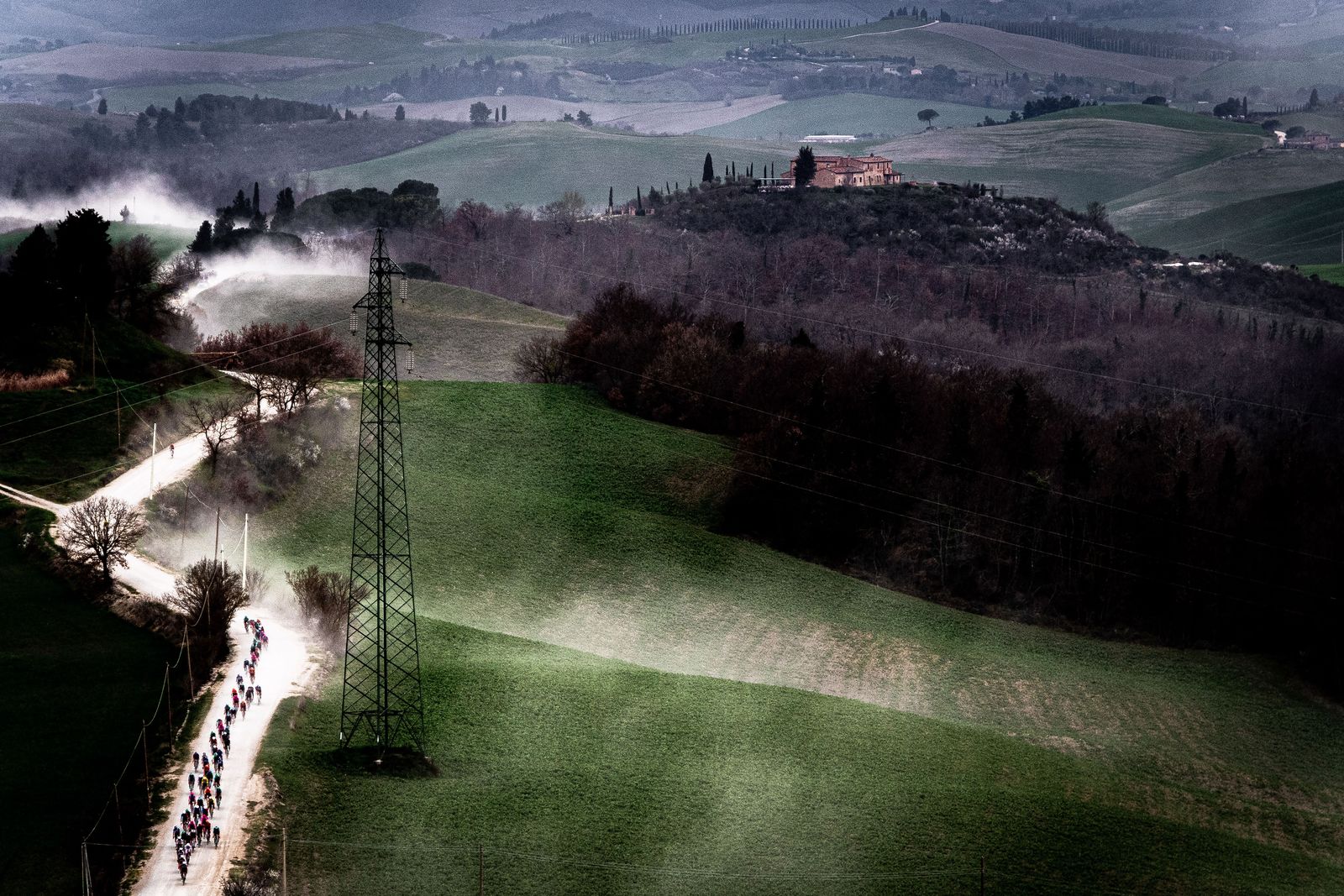
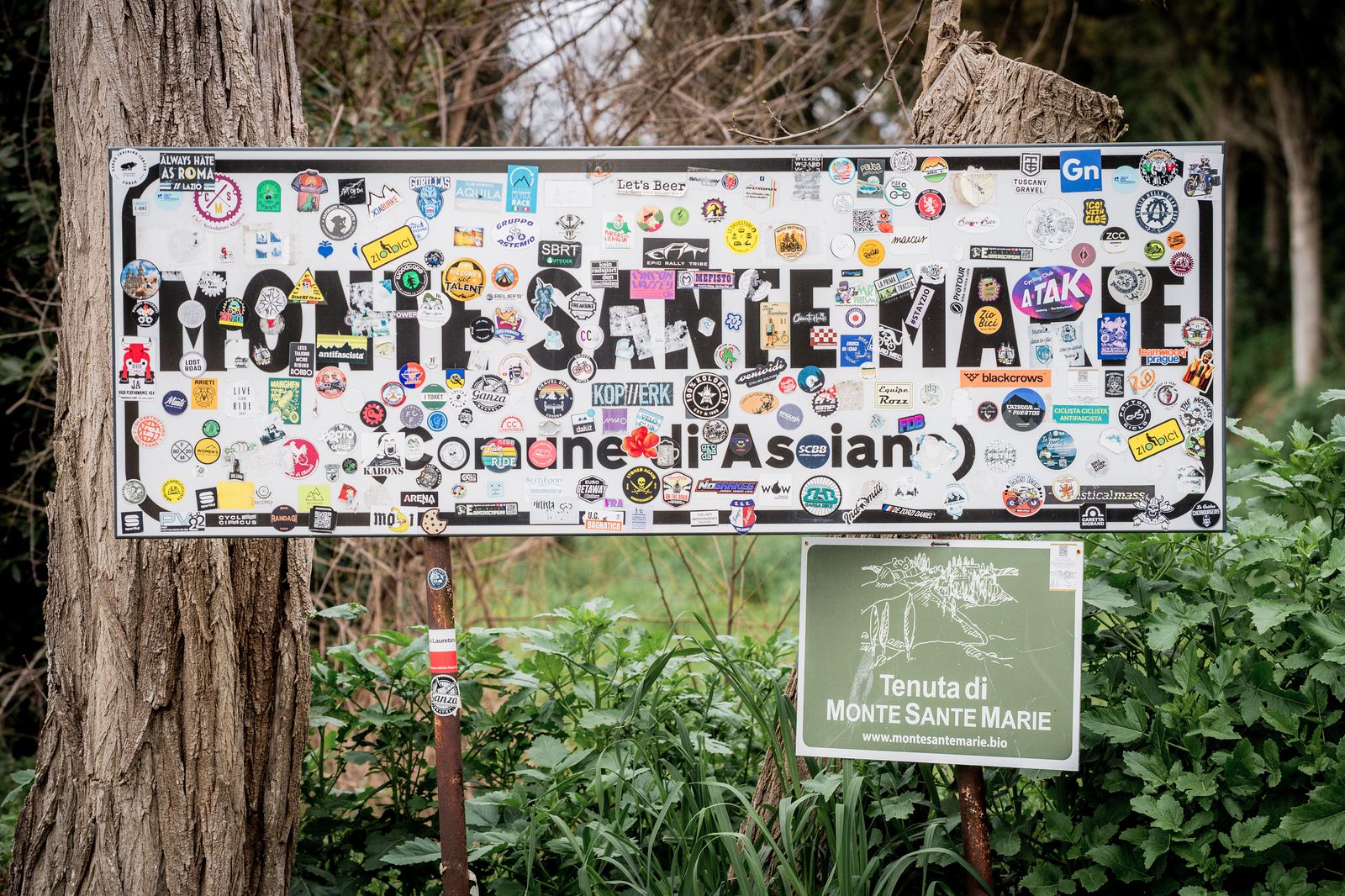
It is here that the race finally exits white roads of the grueling San Martino in Grania gravel sector, made famous by the imposing electrical pylons that stretch along the hillside, peppering the legs of the peloton. The route then makes its way down the ridge road that is SP 438 towards Monte Sante Marie, so often the site of the race-winning attack. The sector is named after Fabian Cancellara, the first three-time winner, and both Tom Pidcock and Tadej Pogačar, who have forged their victories here.
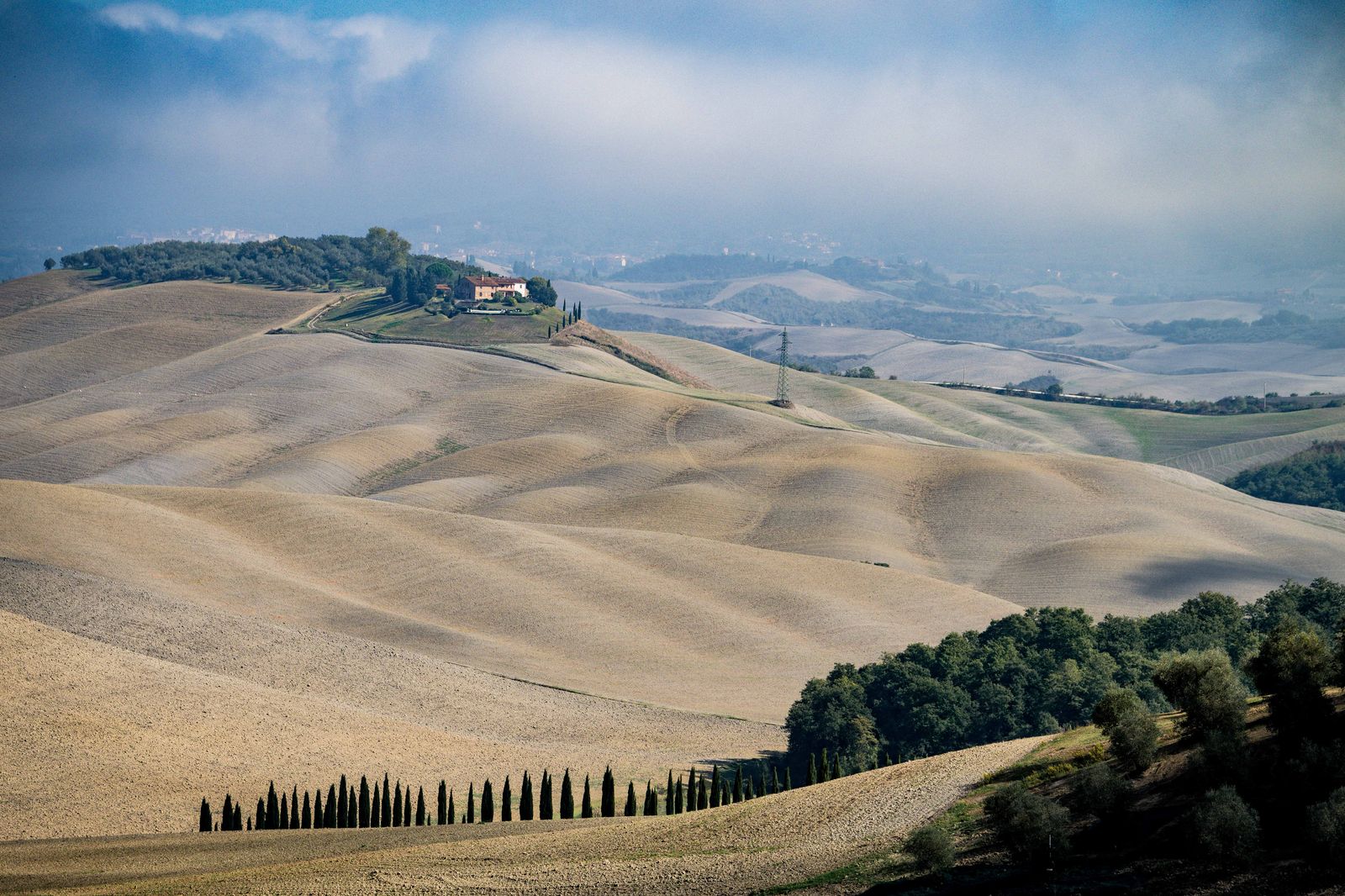
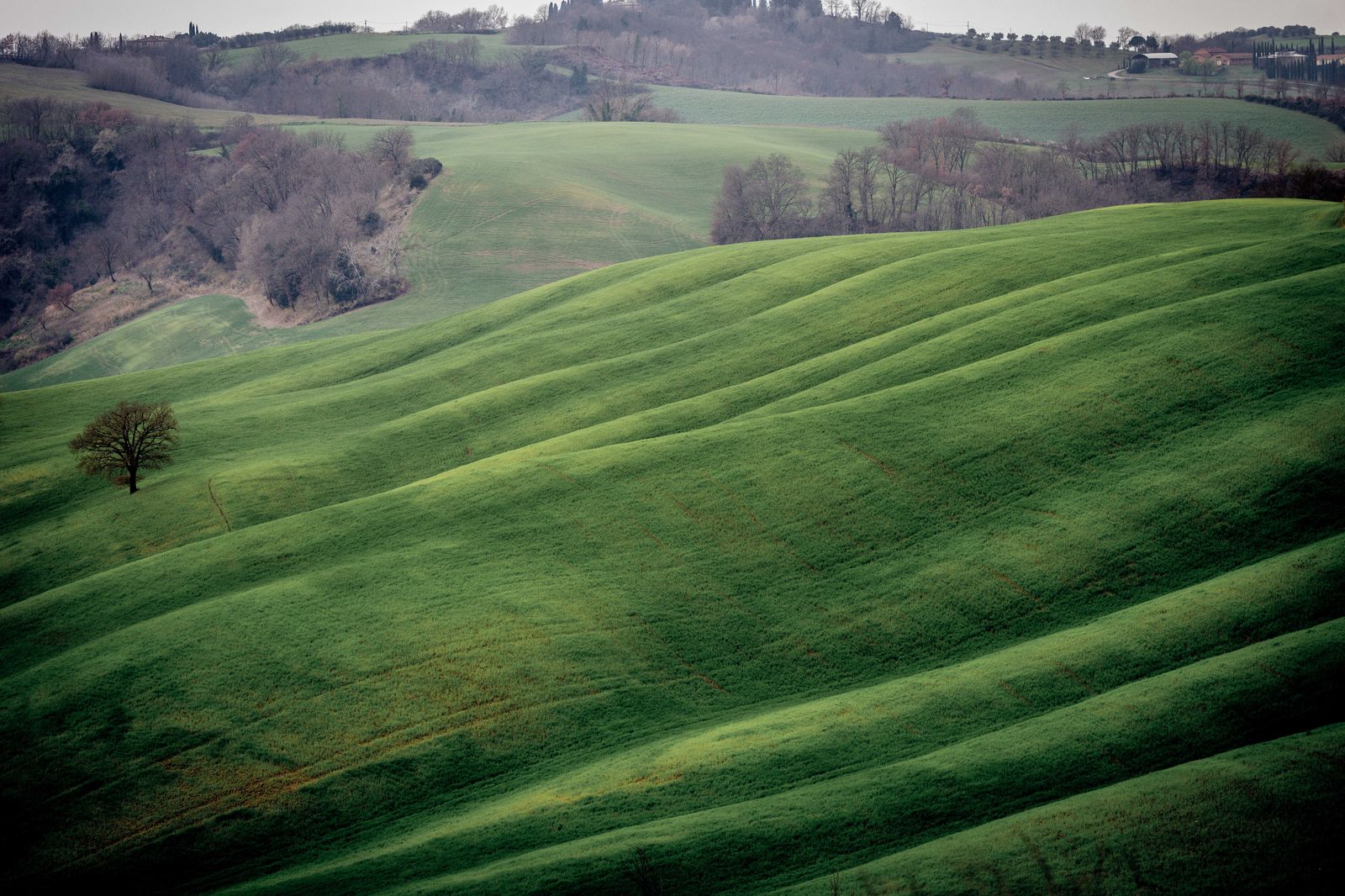
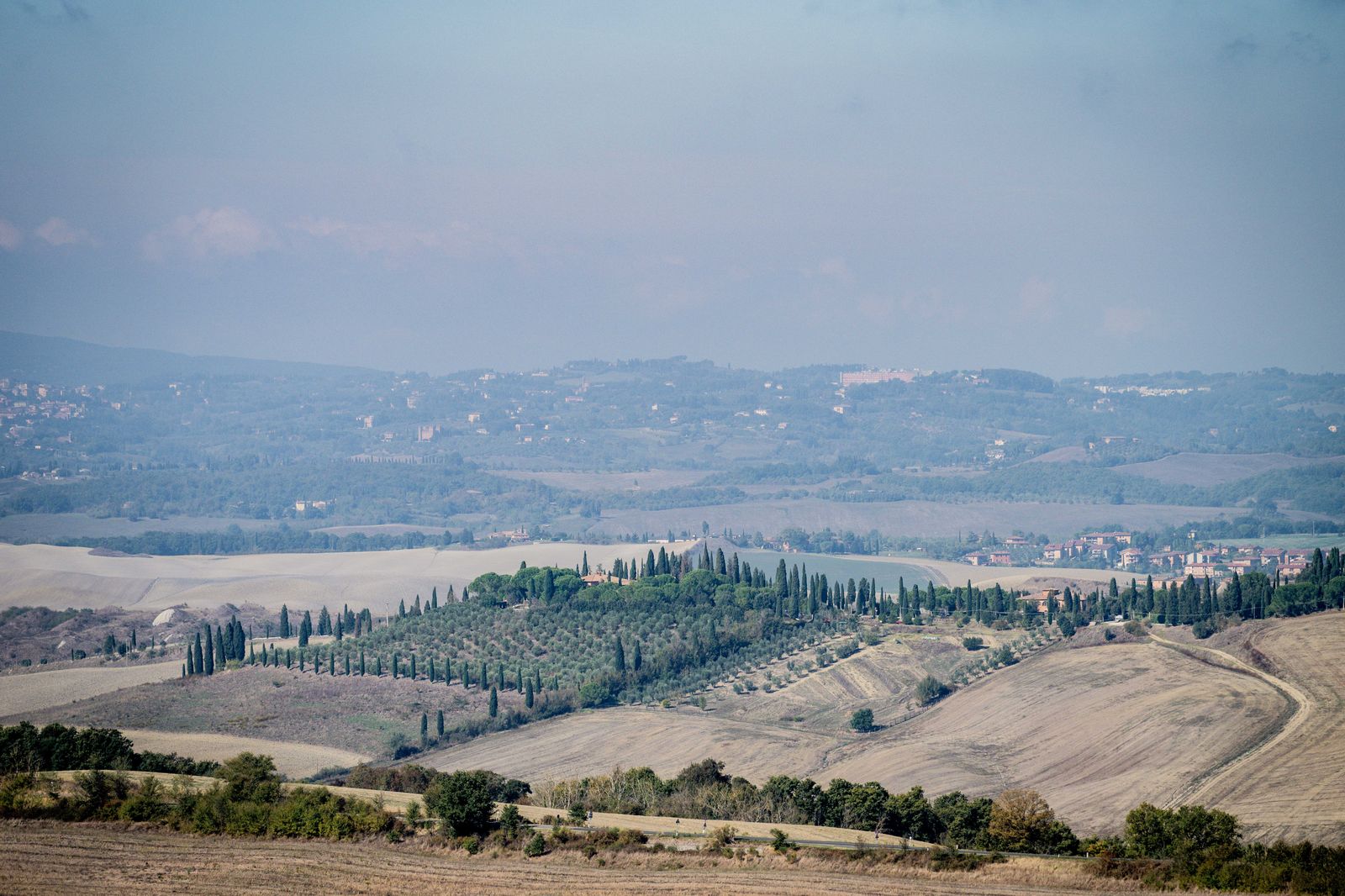
But while these sectors of Tuscany’s iconic white roads are etched into the race’s legend, it is from the ridge road that you get some of the best views of the Crete Senesi, as the sculpted hills that give this region its name stretch endlessly in either direction.
Literally, Crete Senesi means “Sienese Clays,” a reference to the distinctive clay-rich soil that has shaped both the landscape and the agricultural history of this corner of Tuscany.
There is evidence of both Etruscan and Roman settlements here. However, the region’s historical identity developed particularly during the Middle Ages, when it earned a reputation as the breadbasket of Siena, supporting the city’s residents through grain production and other rural activities.
In many ways, the Crete Senesi have changed little. Vast expanses of wheat fields cover the rolling hills and valleys, changing color with each season. Olive groves can also be spotted across the hills, while truffles are harvested here year after year.


Over the centuries, however, erosion has steadily increased, further enhancing the dramatic landscape of clay hills, ravines, and distinctive pale formations known as biancane and calanchi—
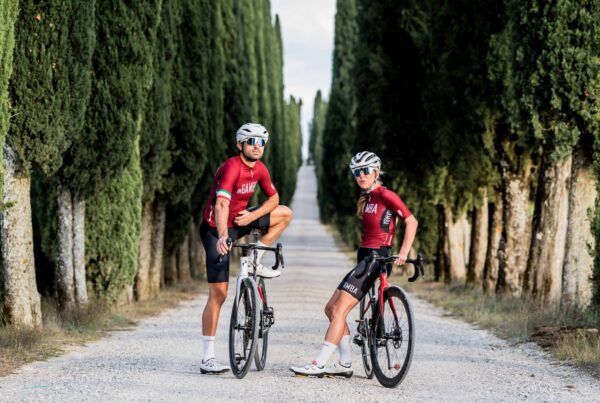
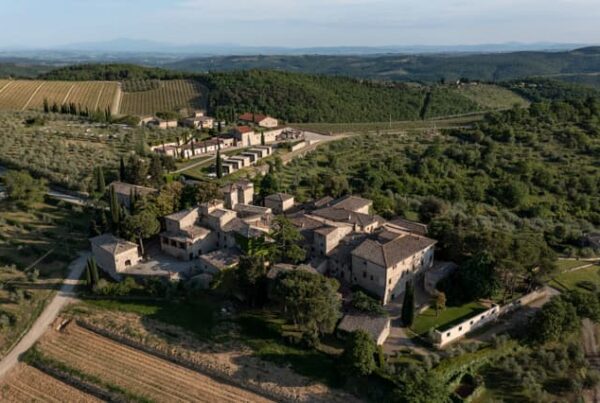
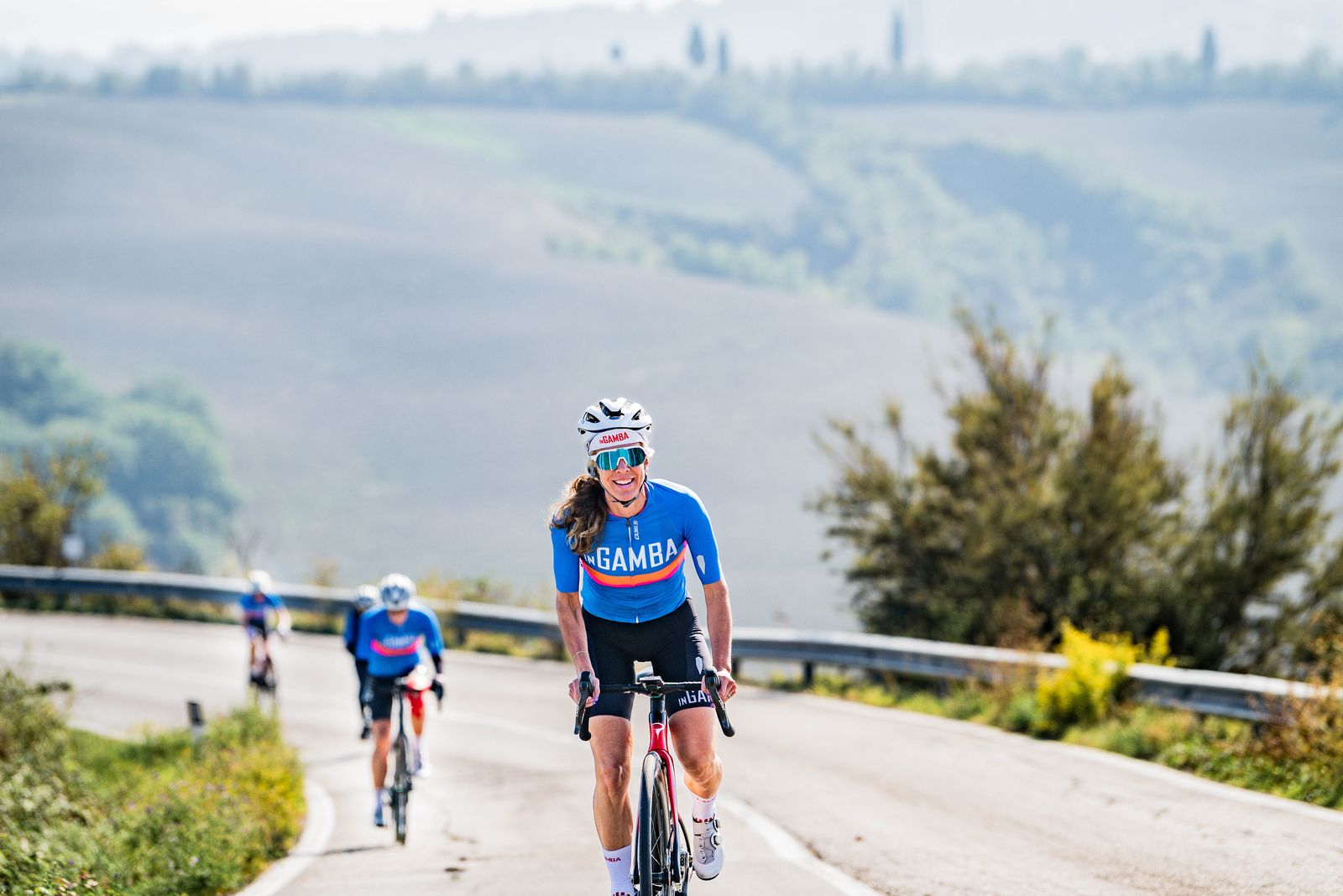
These hills are also an integral part of every inGamba trip. We regularly stop in Asciano for our daily coffee break before heading into the Crete Senesi themselves.
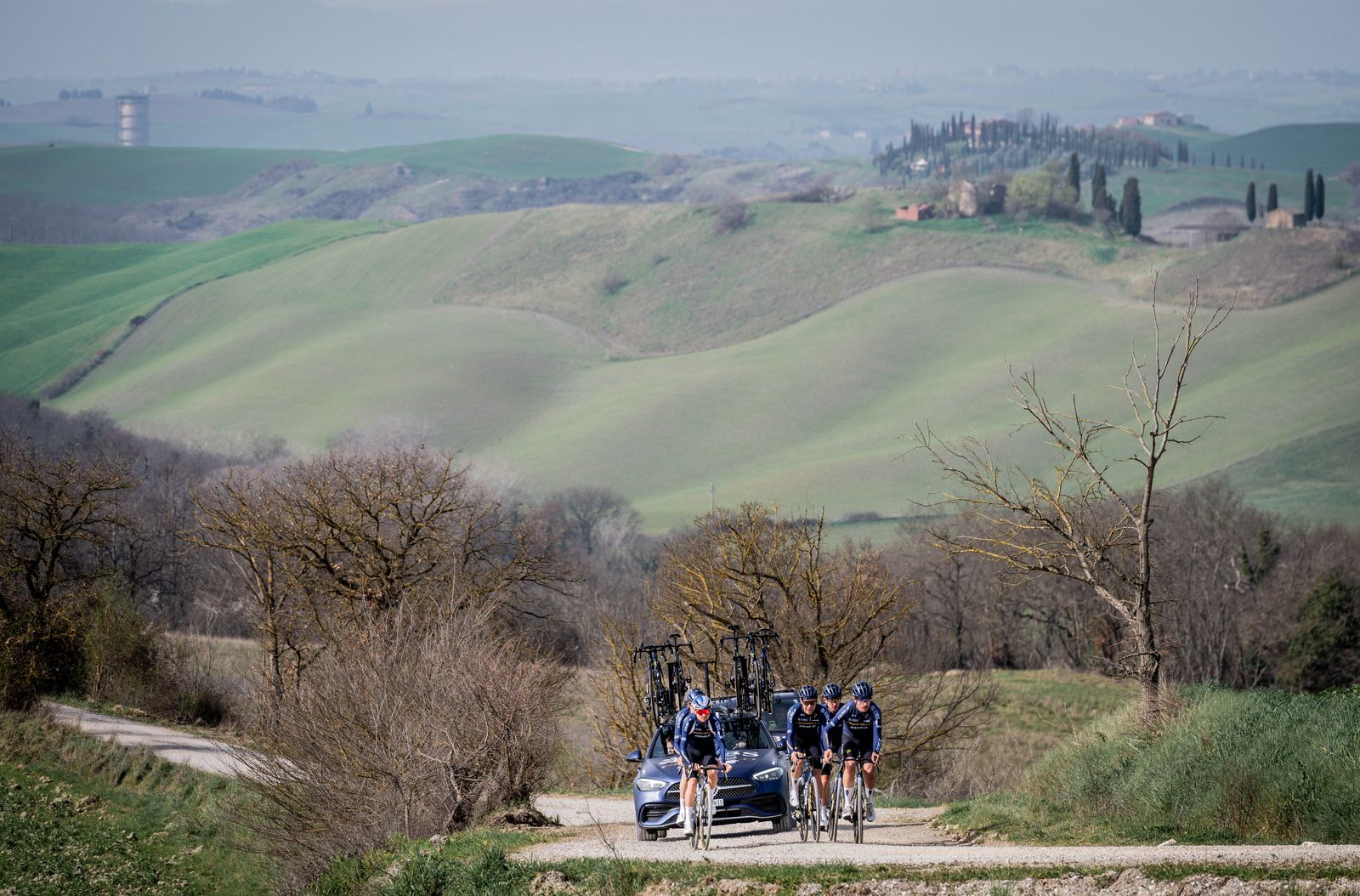
On our gravel trips, we actually tackle the sinuous white roads of the Monte Sante Marie sector as we leave town, while on our Chianti Classico trips, we climb up the SP 438 and ride along the ridge. From either perspective, the natural theater that is the Crete Senesi unfolds before us.
There are certain places in the world, certain roads, where we understand that we are standing (or riding) in the shadow of greatness. Climbs like the Stelvio and Mont Ventoux have this aura. So does the Crete Senesi.
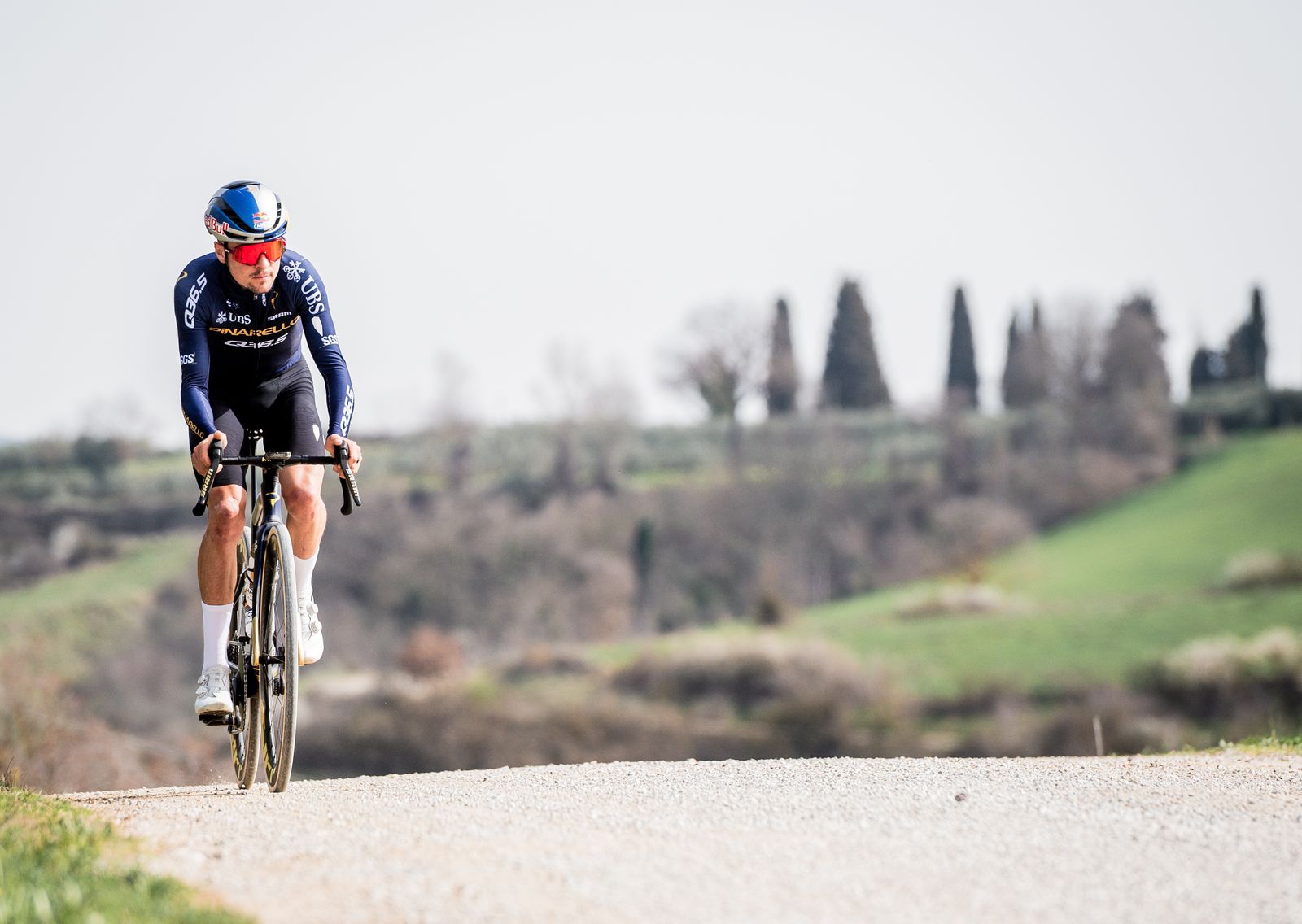

As a cycling photographer, I came late to Strade Bianche, as I was often covering the Paris-Nice race. It wasn’t until 2020, when the race was held in August because of COVID, that I managed to follow it for the first time. And I’ve been coming back ever since.
I instantly understood the singular nature of this race and the unique stage these hills provide for cycling. They come alive, of course, on the first weekend of every March, when they host the Strade Bianche race and the Granfondo the following day. But really, any day is a good day to ride these roads.
Thanks to inGamba, I’ve returned regularly at different times of the year. And while the excitement of race weekend has a certain allure, I particularly enjoy coming back later in the year on different inGamba trips. It is then that I can truly savor the magnitude and beauty of the Crete Senesi.