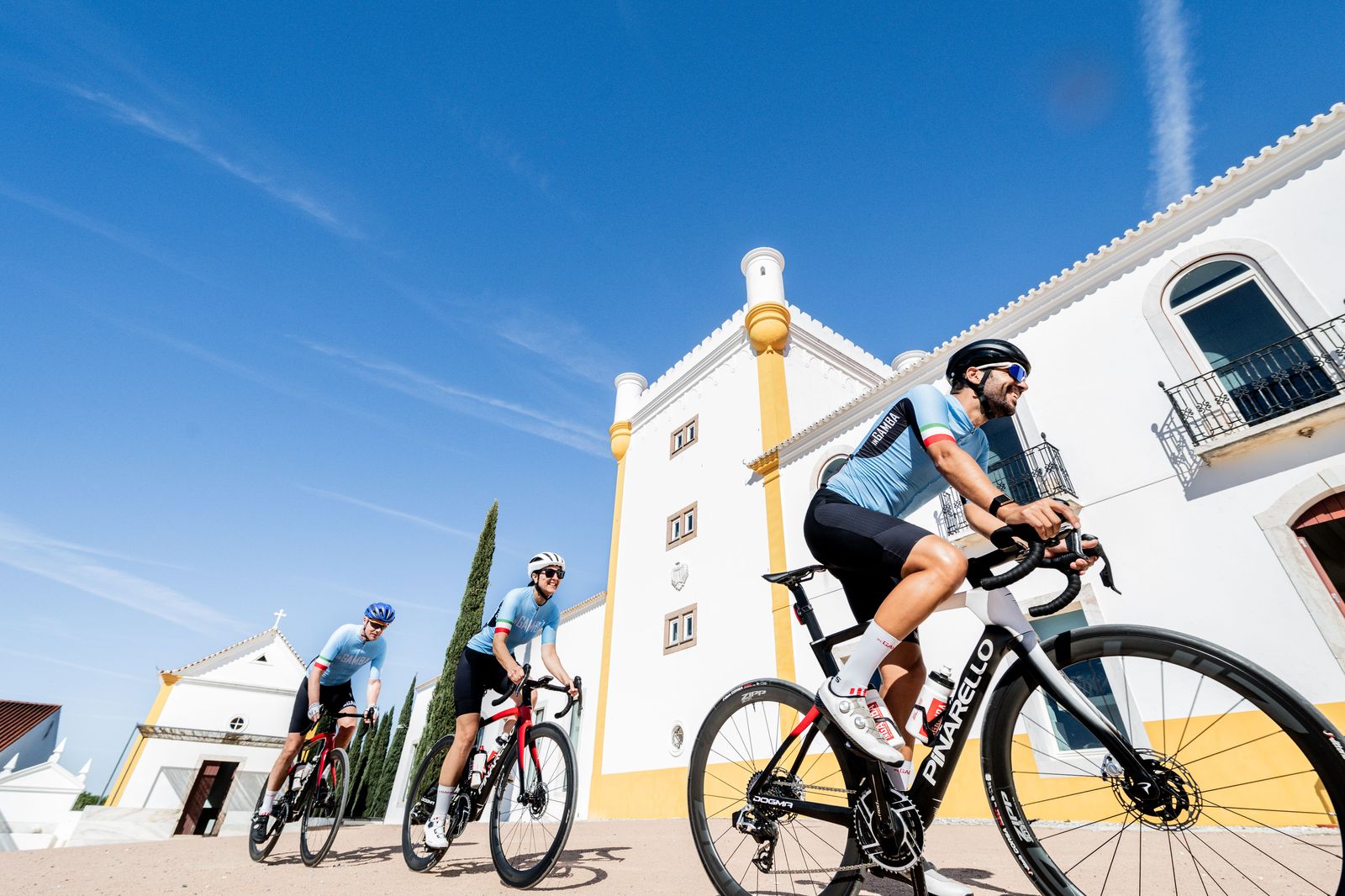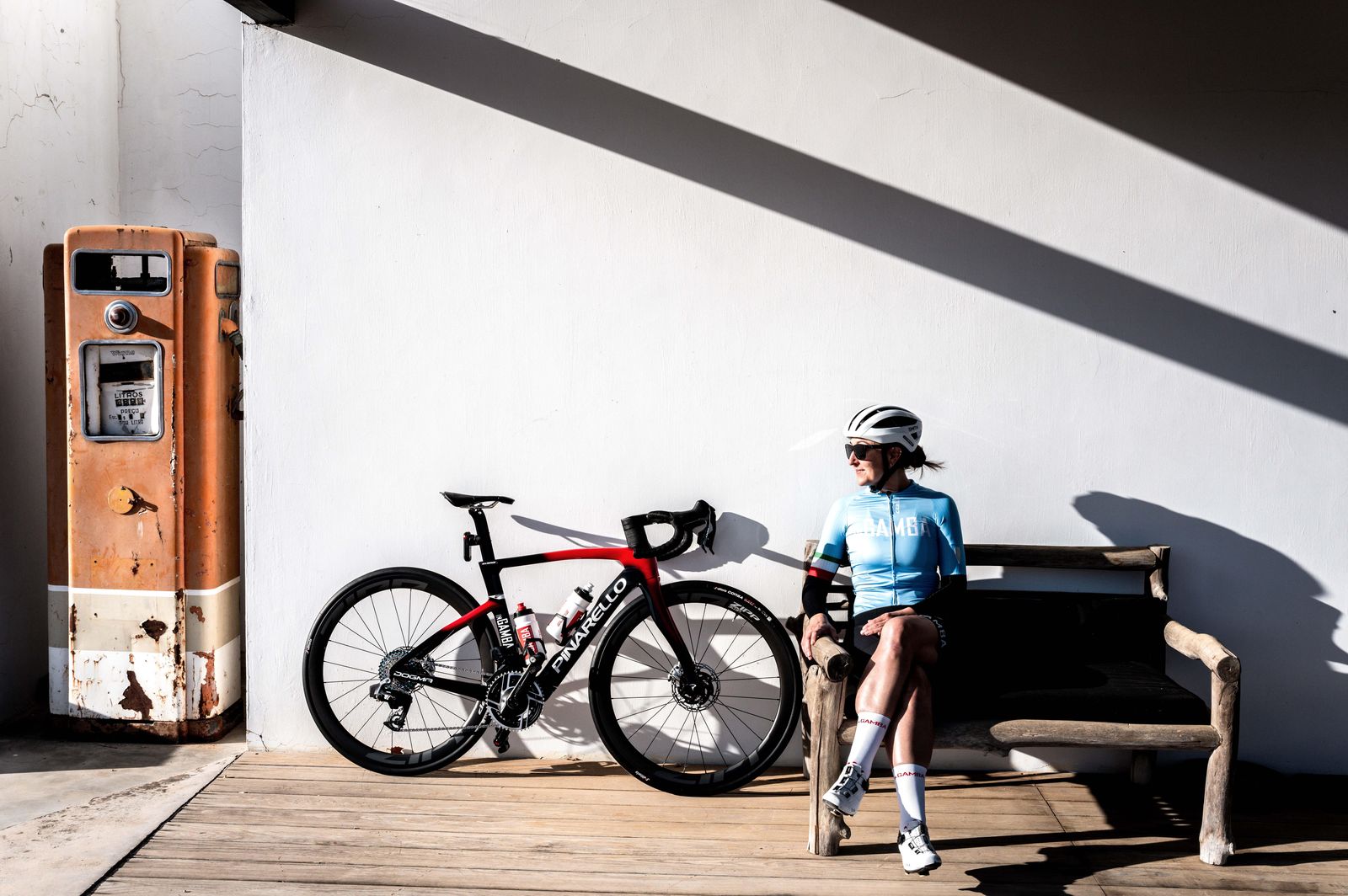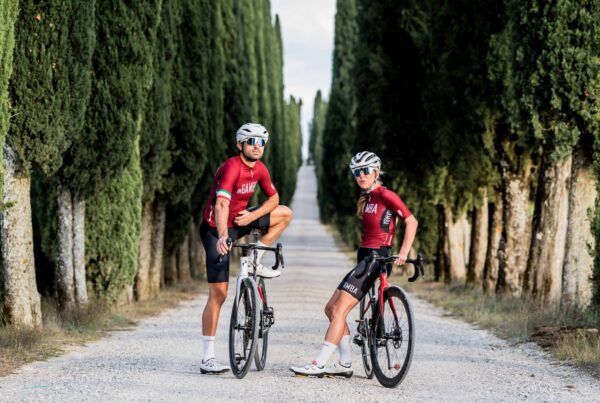
Mangia, beve, bici has long been at the heart of inGamba’s DNA. But central to this MBB spirit is our selection of unique hotels, which set the stage for great meals and great memories. They’re the places for lingering lunches, relaxing post-ride massages, and aperitifs that often melt into memorable dinners. Our Hotels of inGamba series features some of our most prized locations, the places we return to year after year, and perhaps even offers a reminder of what awaits on your next trip.
The first hotel in this series is the Torre de Palma, where we stay during many of our Alentejo trips in Portugal.
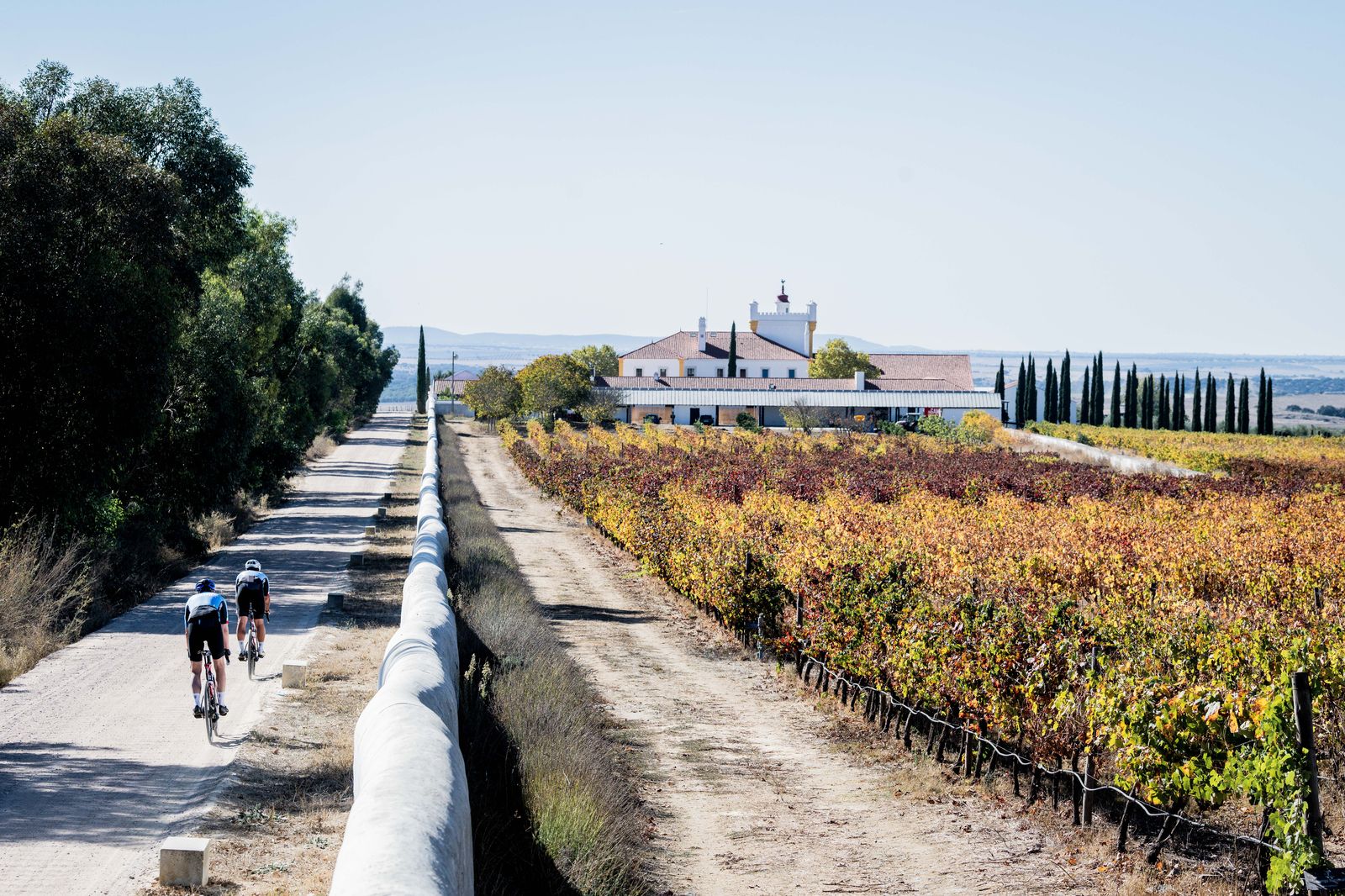
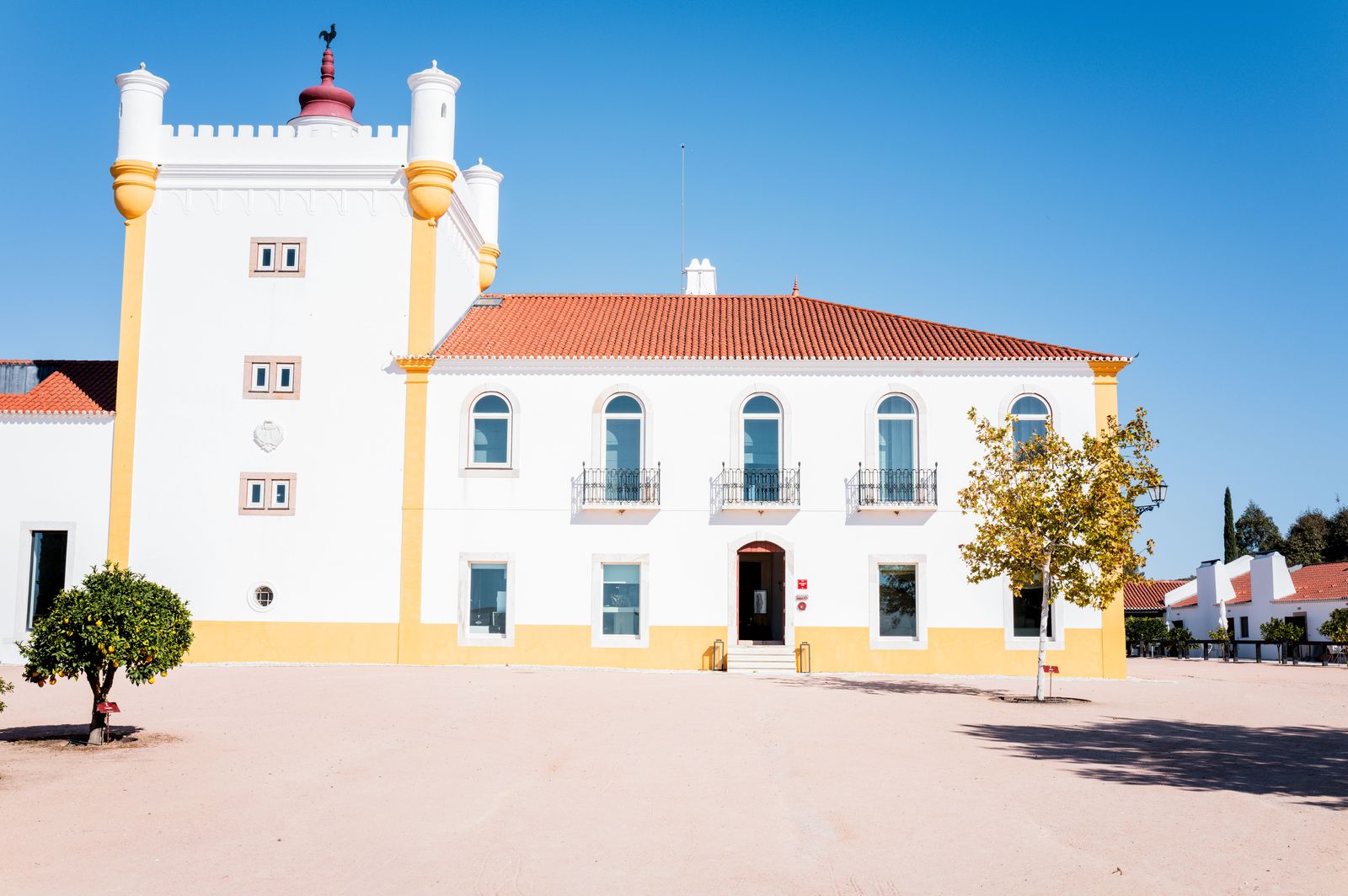
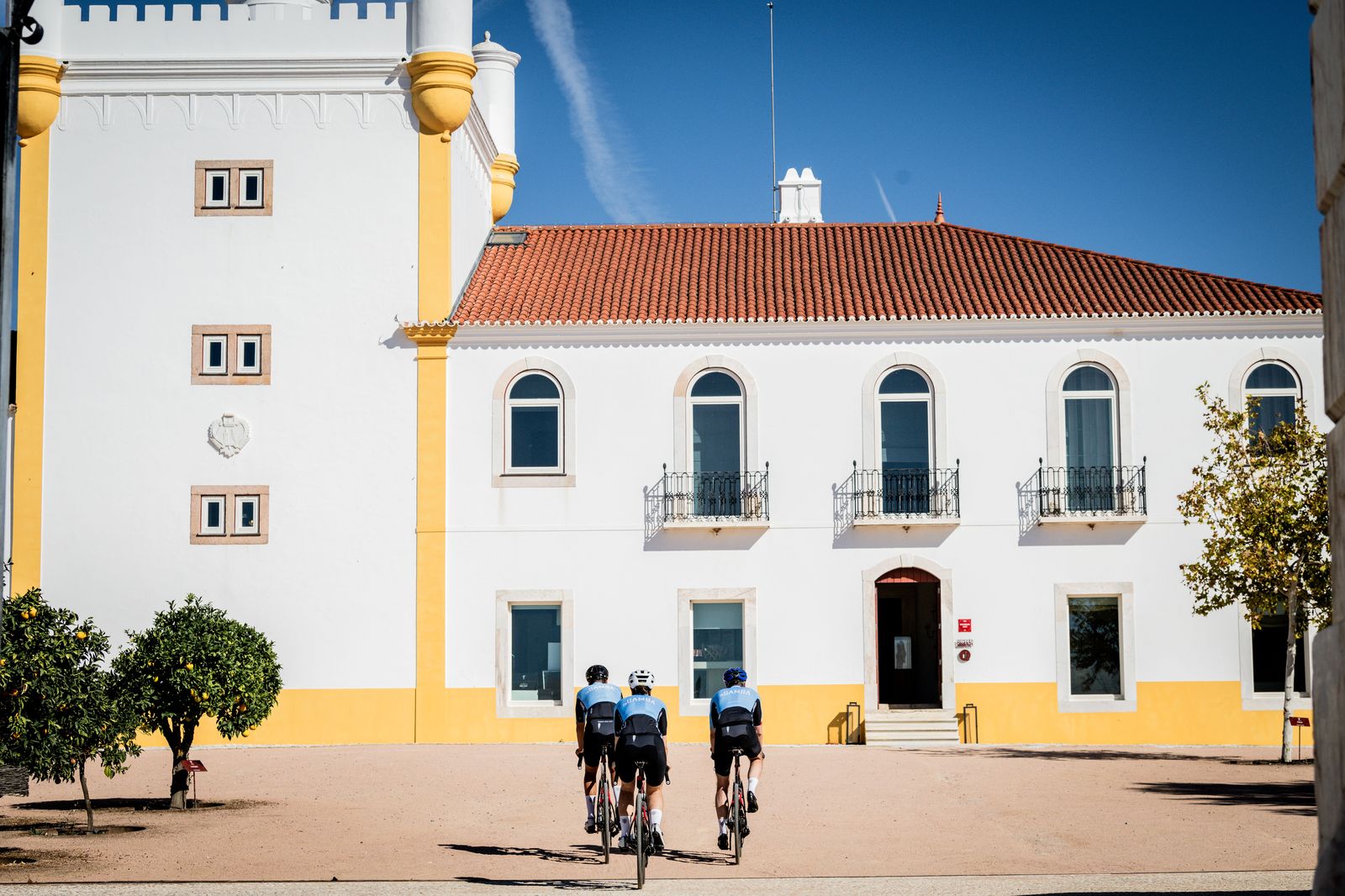
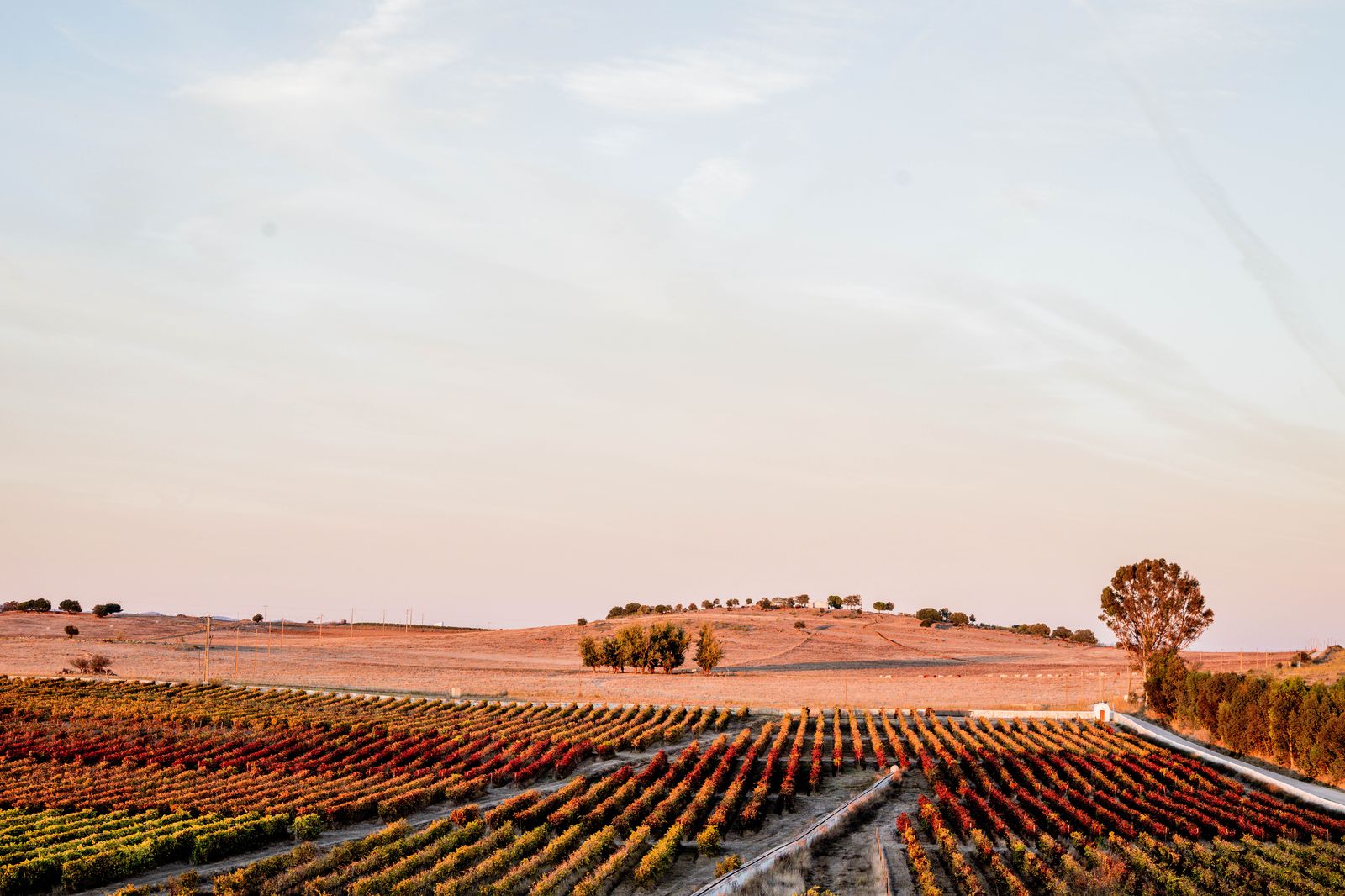
Turning left out of Monforte, the road quickly turns to gravel, and the expansive vineyards that came into view soon disappear behind a cloud of dust. But then, what appears to be a fortress begins to emerge as we approach Torre de Palma. And as we enter through the front gate, the “wow factor” hits for the first time.
And it won’t be the last.
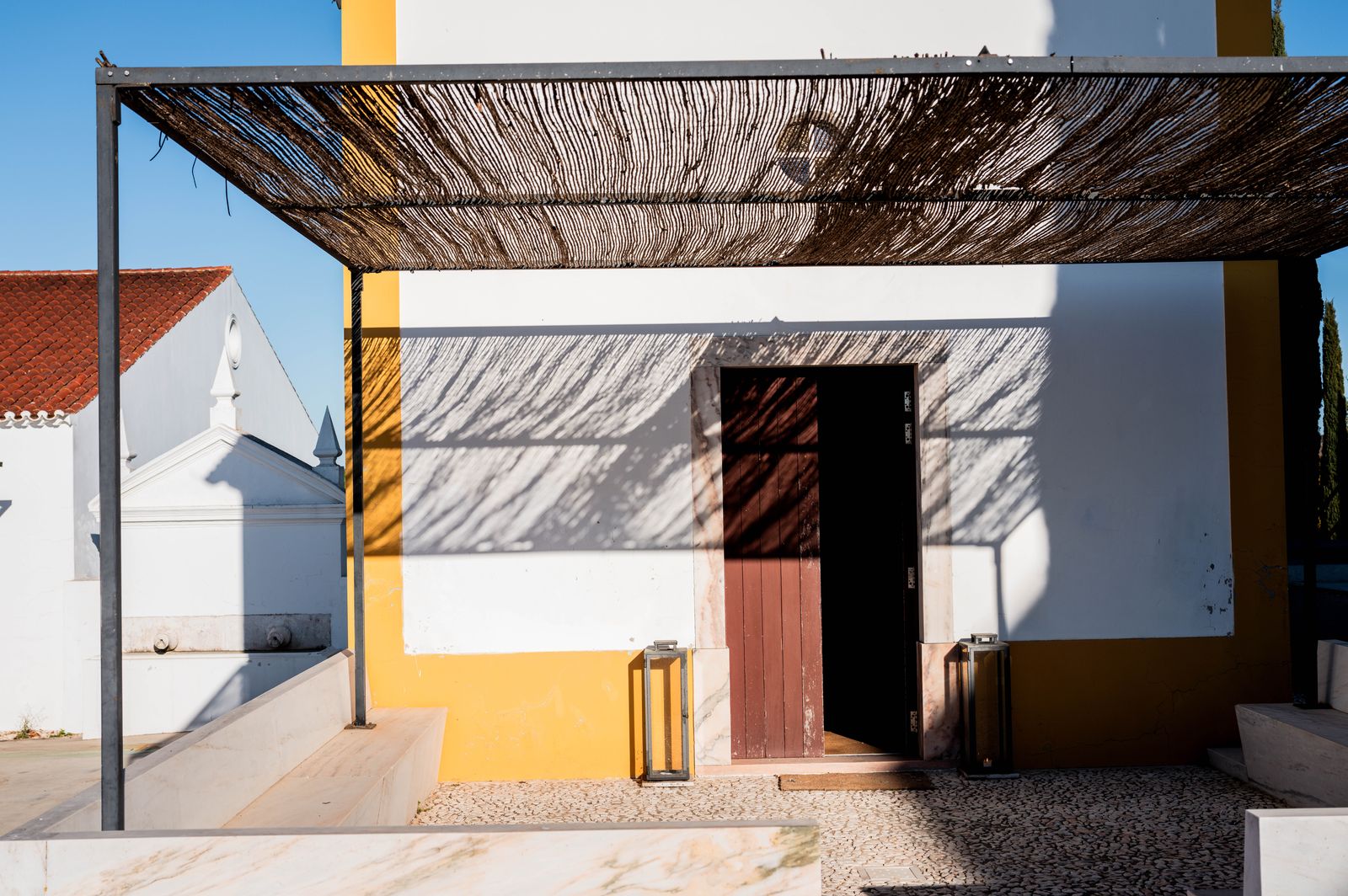
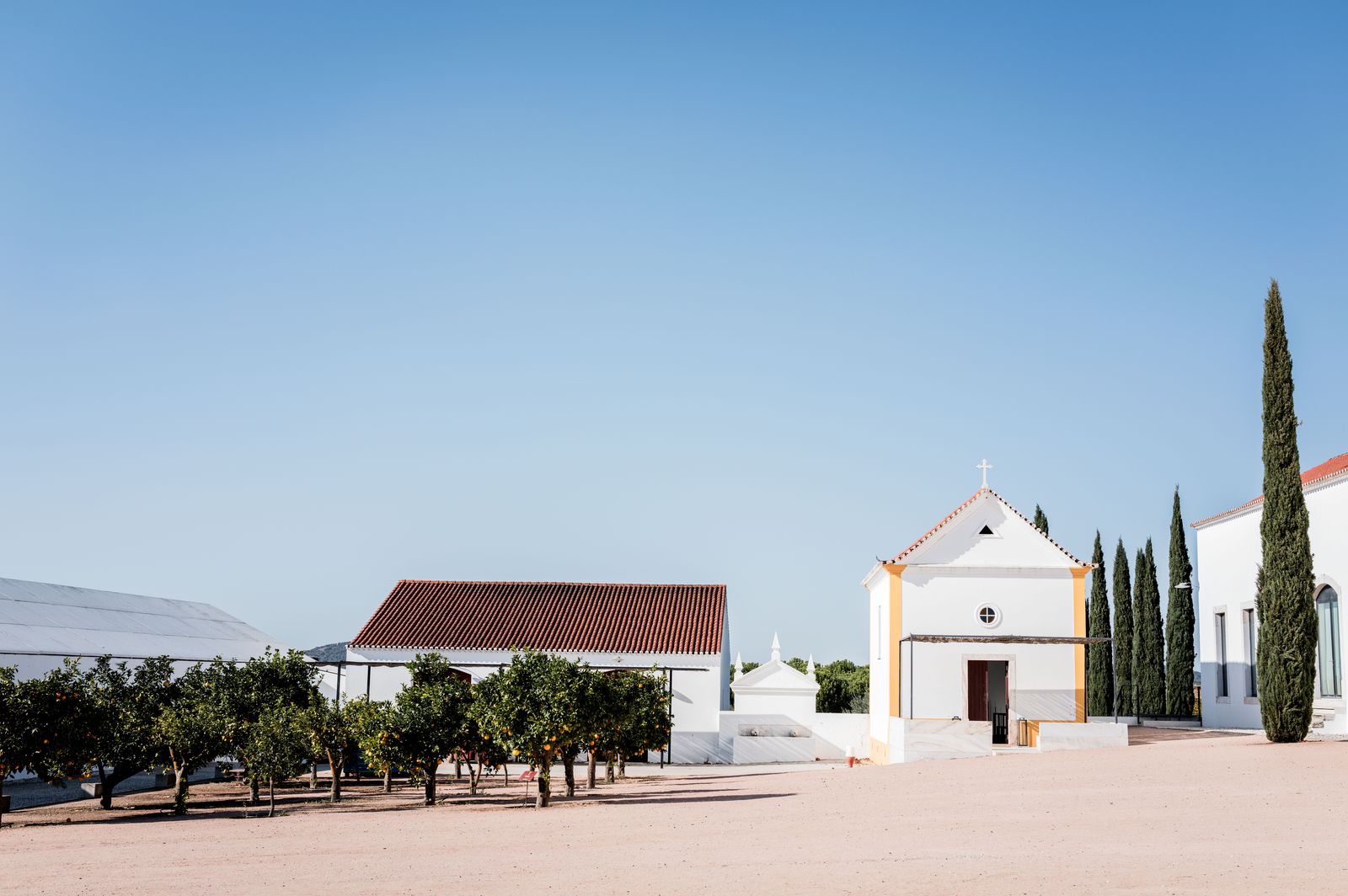
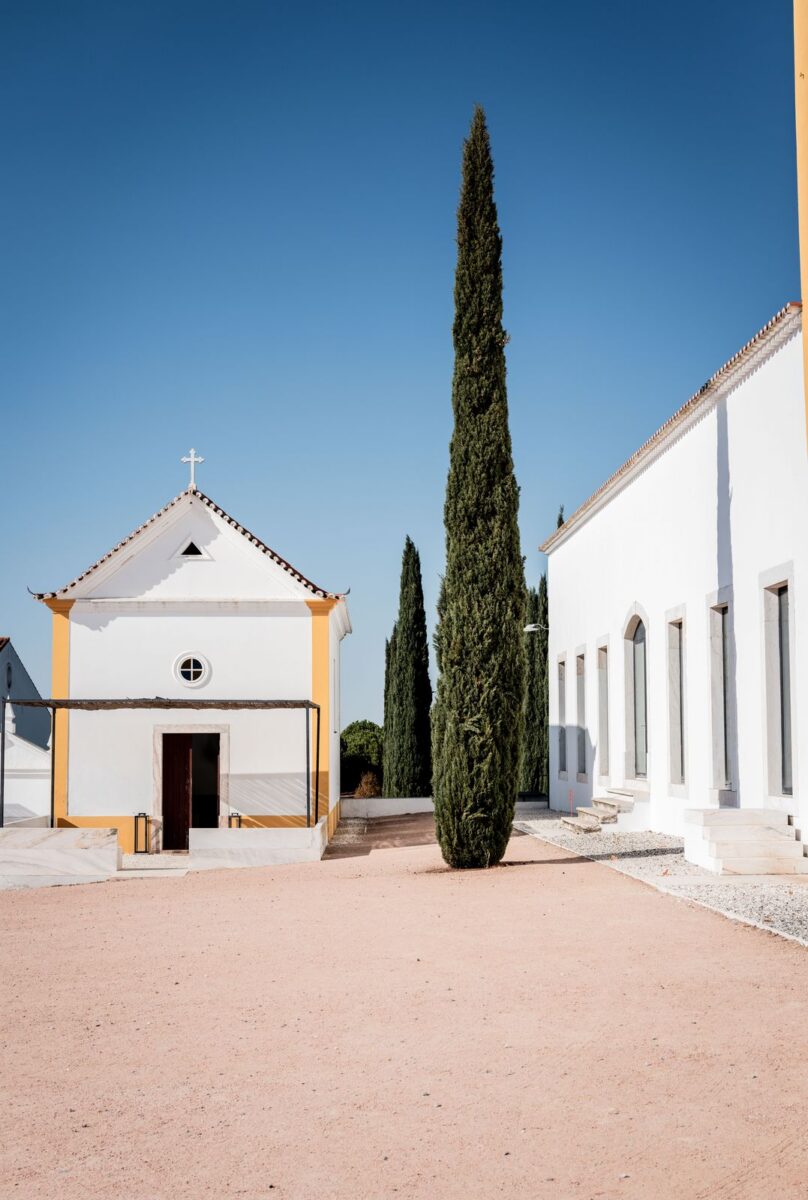
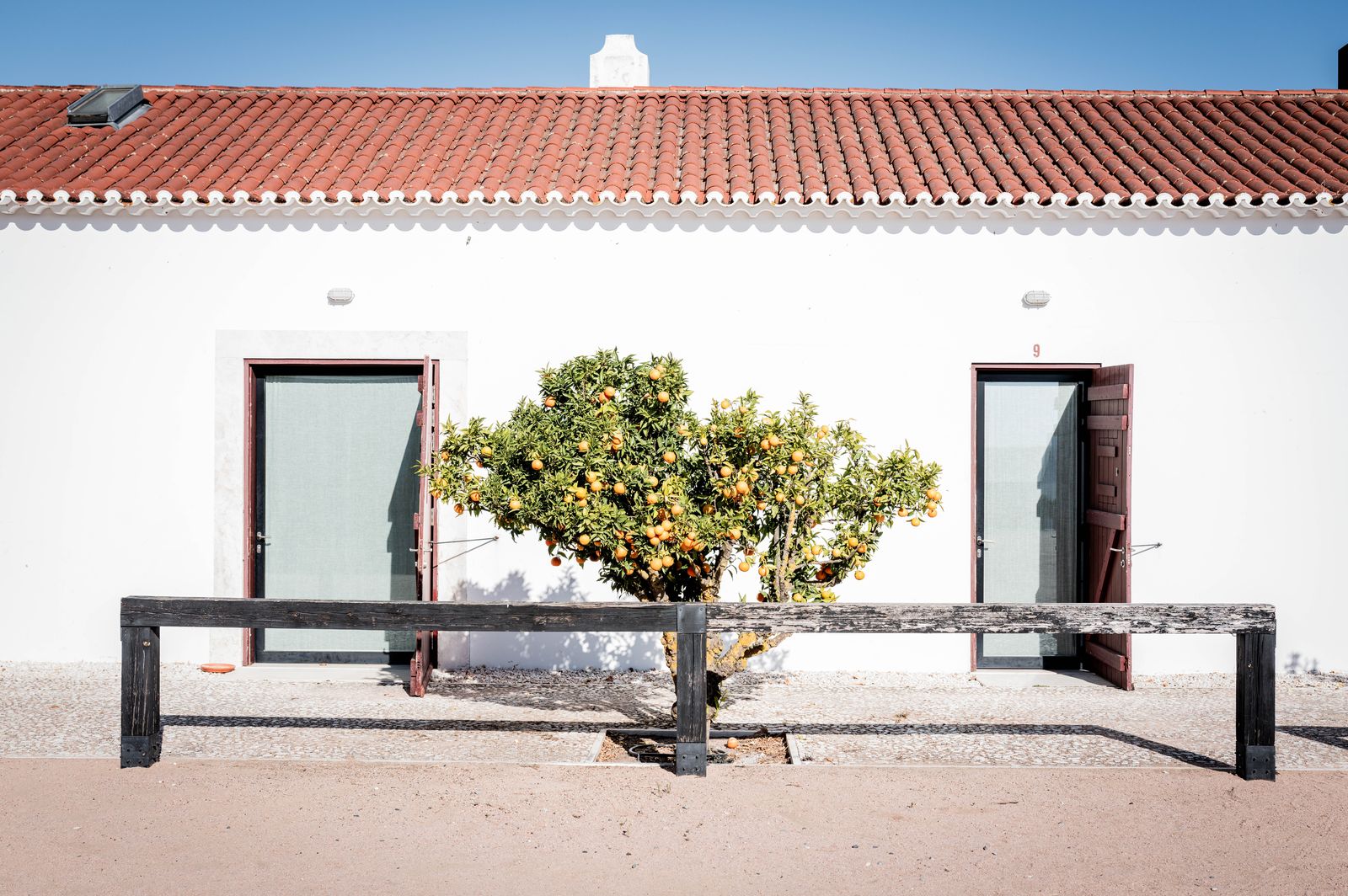
At first glance, one is struck by the many layers of history the estate embodies. First, there is the imposing tower, which dates back to the medieval period, not to mention the pristine chapel. The main courtyard is lined with low-lying, whitewashed buildings that likely once provided lodging for workers or perhaps even served as stables for horses. And then there are the cypress trees. Together, the property is as imposing as it is mysterious, a place that could be equally at home as a movie set or even in a painting by Giorgio de Chirico. The location could also be the perfect setting for a fashion shoot, but, as is often the case on our Alentejo trips, it makes the perfect home for an inGamba experience.
And when it comes to history, Torre de Palma has it in spades.
Just a few hundred meters away lie the remains of a Roman villa. Its remarkable mosaics, some of which are now housed in the National Archaeology Museum in Lisbon, provide a fascinating glimpse into rural life here nearly 2,000 years ago, when winemaking and horse breeding were central to life on the estate.
It was during the medieval period, however, that the fortress tower was first constructed. The estate remained associated with the Portuguese monarchy for nearly 500 years. More recently, this expansive property became the first agricultural collective in the Alentejo in the mid-1970s, before finally being acquired by Ana Isabel Rebelo and Paulo Barradas Rebelo in 2007.
What initially began as a search for a country home soon became a much more ambitious undertaking: to restore Torre de Palma and give it a new purpose while respecting its extraordinary history.
“The Romans are a model for us,” explains Paulo. “They brought wine, olive oil, horses, and spas to this land, and their model for living is ours.”
The family’s extensive restoration project began in 2007, and fittingly, the vineyards came first. But it would take another seven years of architectural planning, restoration, and construction before Torre de Palma finally opened its doors.
“The first thing we did was to plant the vineyards,” says Luísa Rebelo, who manages the property today. “Then we designed the buildings.”
For the record, when it comes to both the property and the wines it produces, the list of awards is long. The so-called Oscars of Portuguese tourism, the Publituris Portugal Travel Awards, recognized Torre de Palma for Best Wine Tourism in Portugal and Best Tasting Room. Meanwhile, the extensive architectural restoration project was nominated for the prestigious Mies van der Rohe Award.
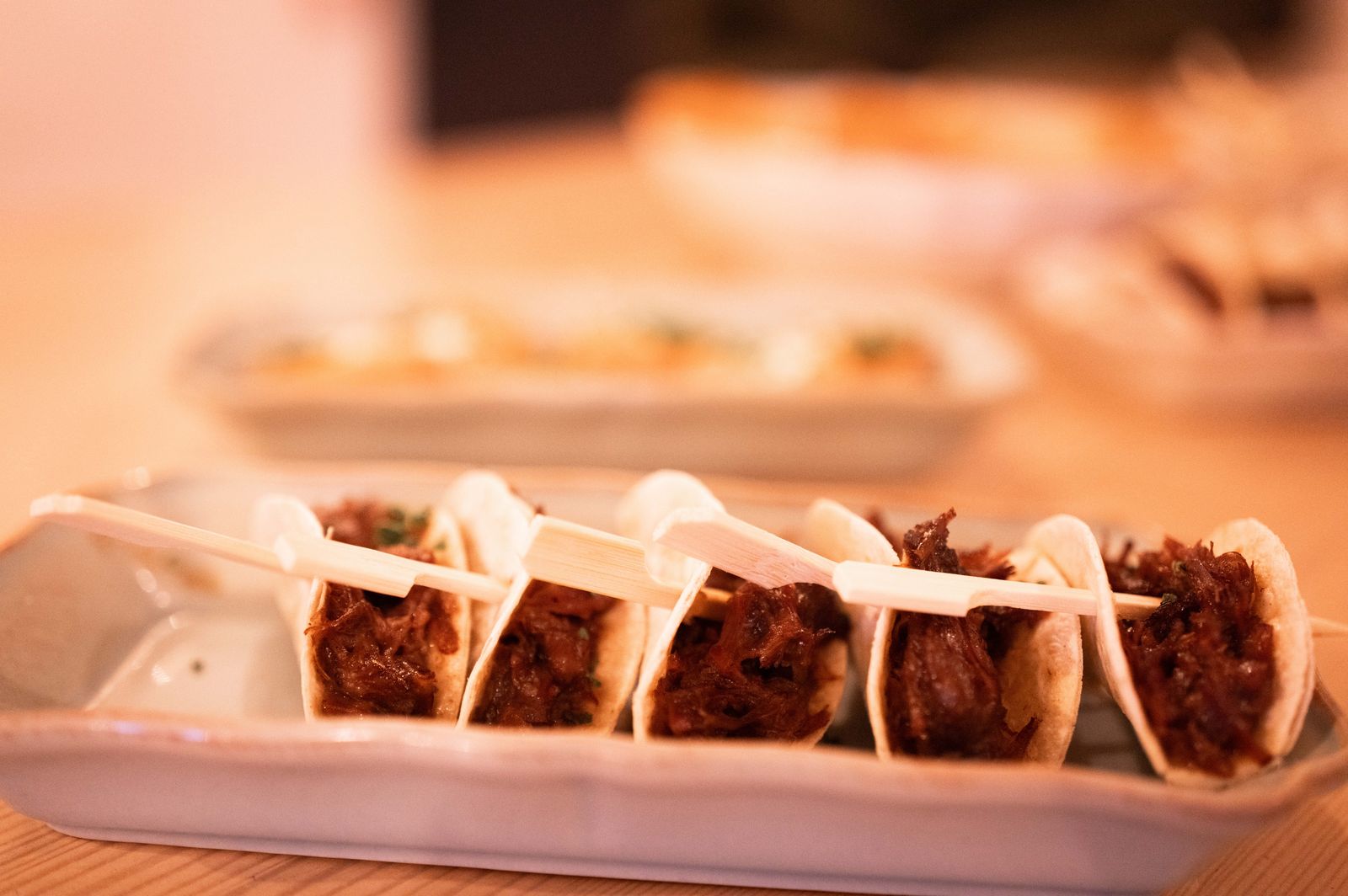
In addition, PALMA Restaurante, located next to the main entrance, has benefited from the influence of Michelin-starred chef Miguel Laffan, whose contemporary interpretation of Alentejo cuisine helped shape its gastronomic identity. Today, that culinary tradition is carried forward by Eduardo Grilo, who brings his own deep connection to the region’s food and traditions to Torre de Palma.
But the reputation of Torre de Palma, along with its list of accolades, continues to grow. Above all, however, the estate boasts a remarkable sense of authenticity. Everything they do here connects the past with the present, a quality that has made it a fixture on inGamba’s Alentejo trips year after year.
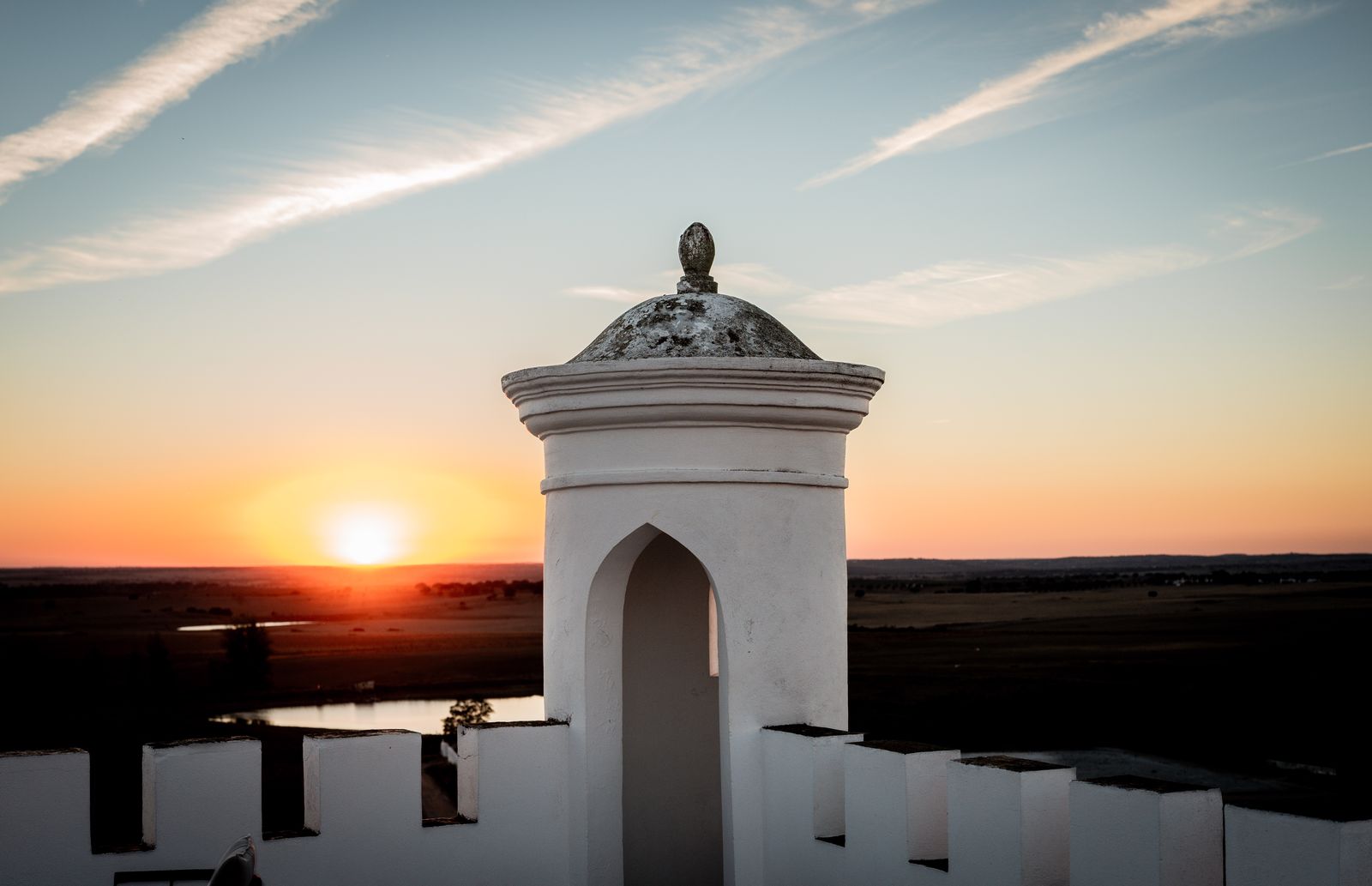
There is a quiet stillness that seems to reign over the estate, while the expansive property offers countless corners in which to unwind, whether beneath one of the orange trees in front of the rooms, inside the pristine chapel, beside the pool, or atop the tower, where the views stretch across the Alentejo countryside.
“Torre de Palma has a way of blending traditional architecture, wine, and Alentejo cuisine in a unique way,” says inGamba guide Paolo Crispim. “The property is amazing, with one of the most beautiful sunsets in the whole country every night. It’s just an amazing place to come and relax.”
And perhaps that’s what makes Torre de Palma such a natural fit for inGamba. We have always believed that a great cycling trip is about much more than the roads we ride. It’s about the places we discover, the people we meet, the meals we share, and the memories that stay with us long after the bikes have been packed away. At Torre de Palma, all of those things come together. The riding may bring us here, but it’s the wine, the history, the hospitality, and the unmistakable spirit of the Alentejo that make us want to return.