
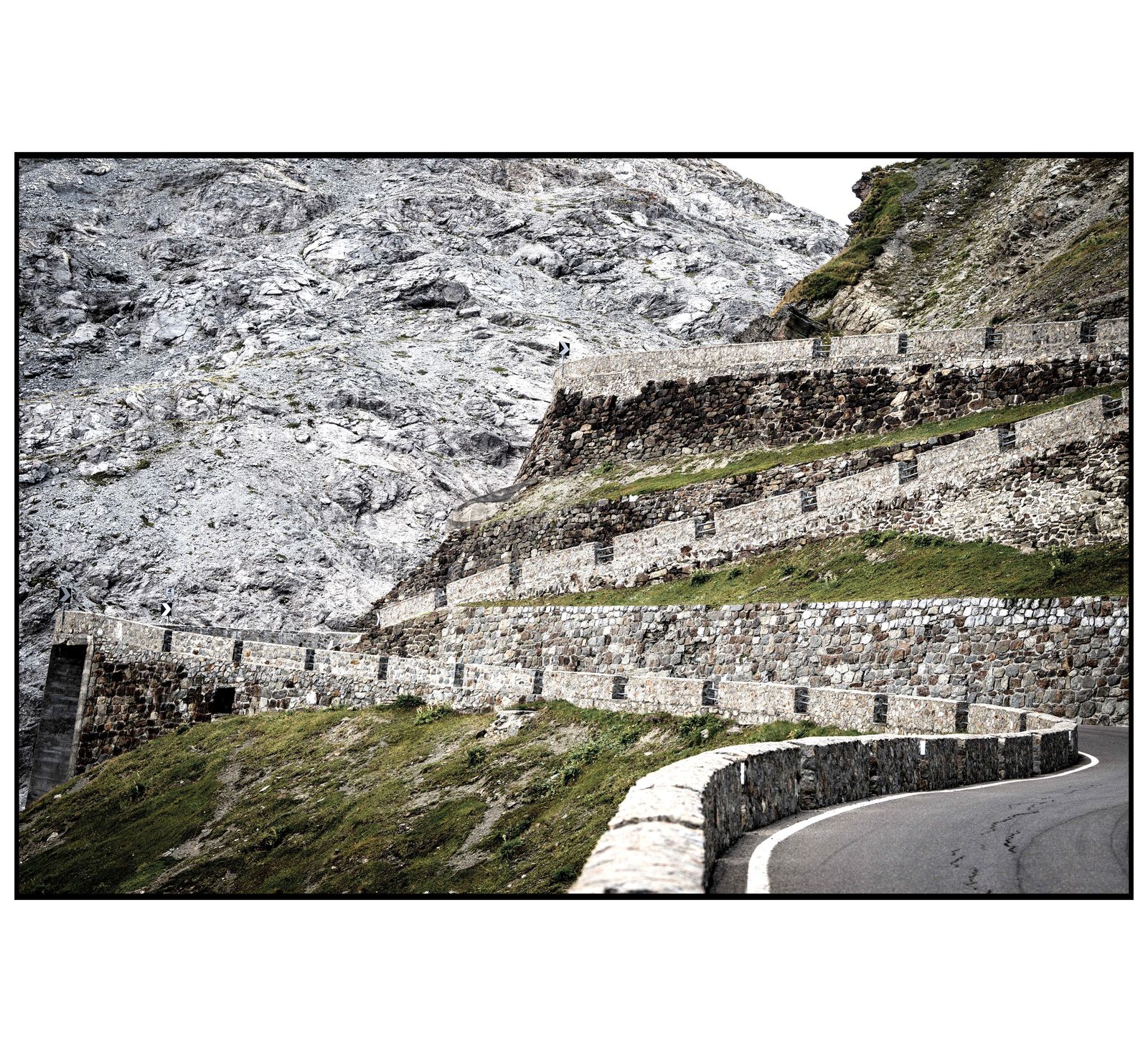
There are countless hard climbs. But when it comes to an epic climb, the Stelvio could well be its definition. Rising to 2,757 metres in the Ortler Alps of northern Italy, the Passo dello Stelvio is not simply a road over a mountain; it is one of cycling’s great theatres. And today, we pay it homage in our first Roads of inGamba feature.
The Stelvio’s combination of altitude, history, scale and sheer visual drama makes it a climb that seems almost designed to test the limits of a cyclist. And, as one of inGamba’s most visited destinations, it seemed only fitting to begin our new Roads of inGamba series with this iconic climb.
Ironically, it was one of the rare European passes I had yet to discover. Why? Don’t ask. But it was definitely on my bucketlist.
Actually, my own initiation should have happened over a year ago, when I joined inGamba on the Lakes and Climbs trip. But massive storms the night before triggered mud and rock slides that closed the road the day we were set to climb. And so I waited. Finally, this past August I had my chance, joining a group for their final day.
Arriving on Thursday, I actually drove up just before sunset to get my first glimpse. By the time I got to the top the sun had already set on much of the climb. Sorry, golden hour is often overated in my books. Little matter, I was not disappointed. Quite the contrary, I was blown away.
Geographically, the Stelvio is simply extraordinary, and on more than one occasion I found myself standing in awe. On paper of course, the pass connects Bormio in Lombardy with Prato allo Stelvio in South Tyrol, crossing one of the highest paved mountain passes in the Alps. But it is so much more.
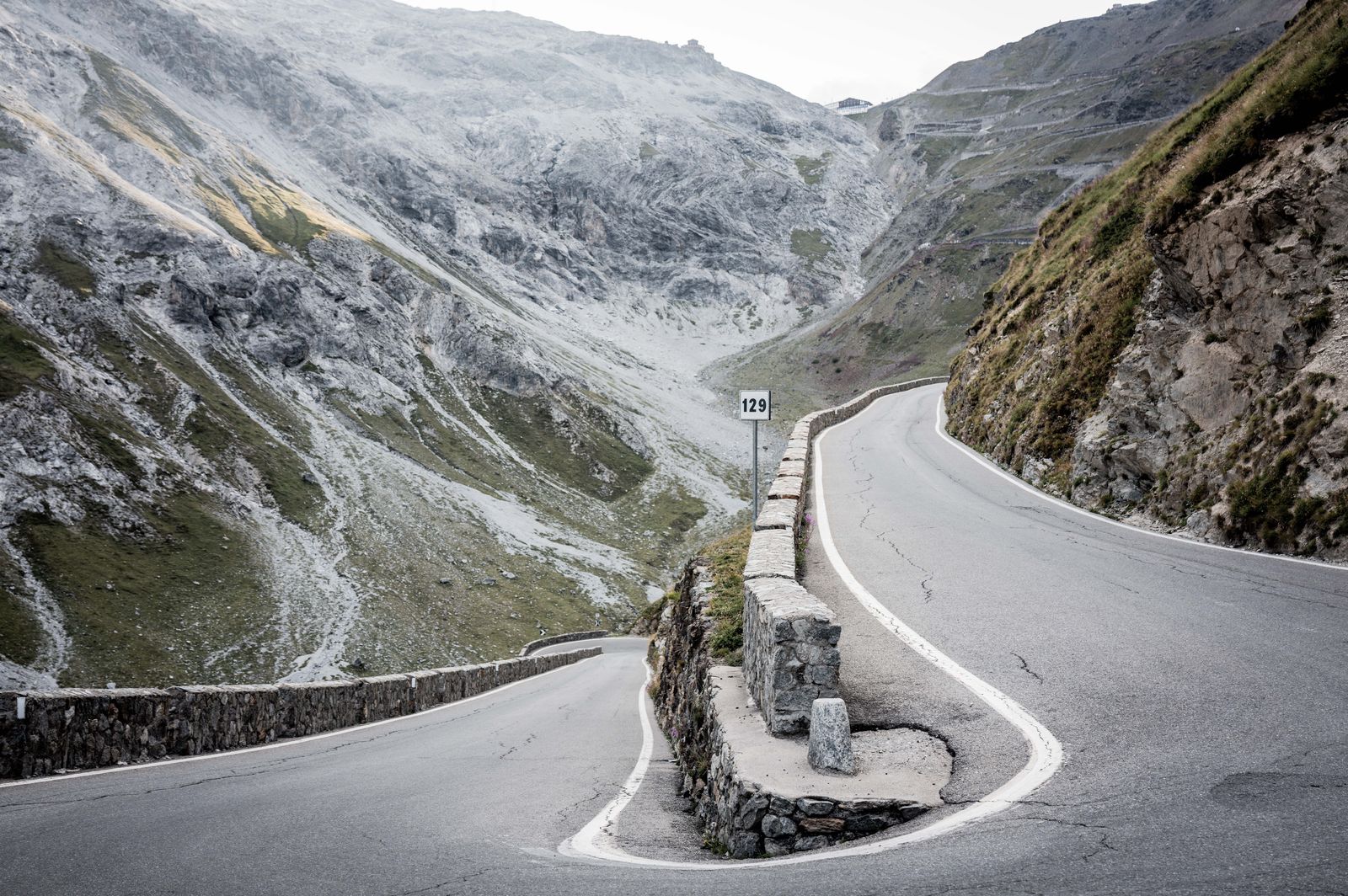
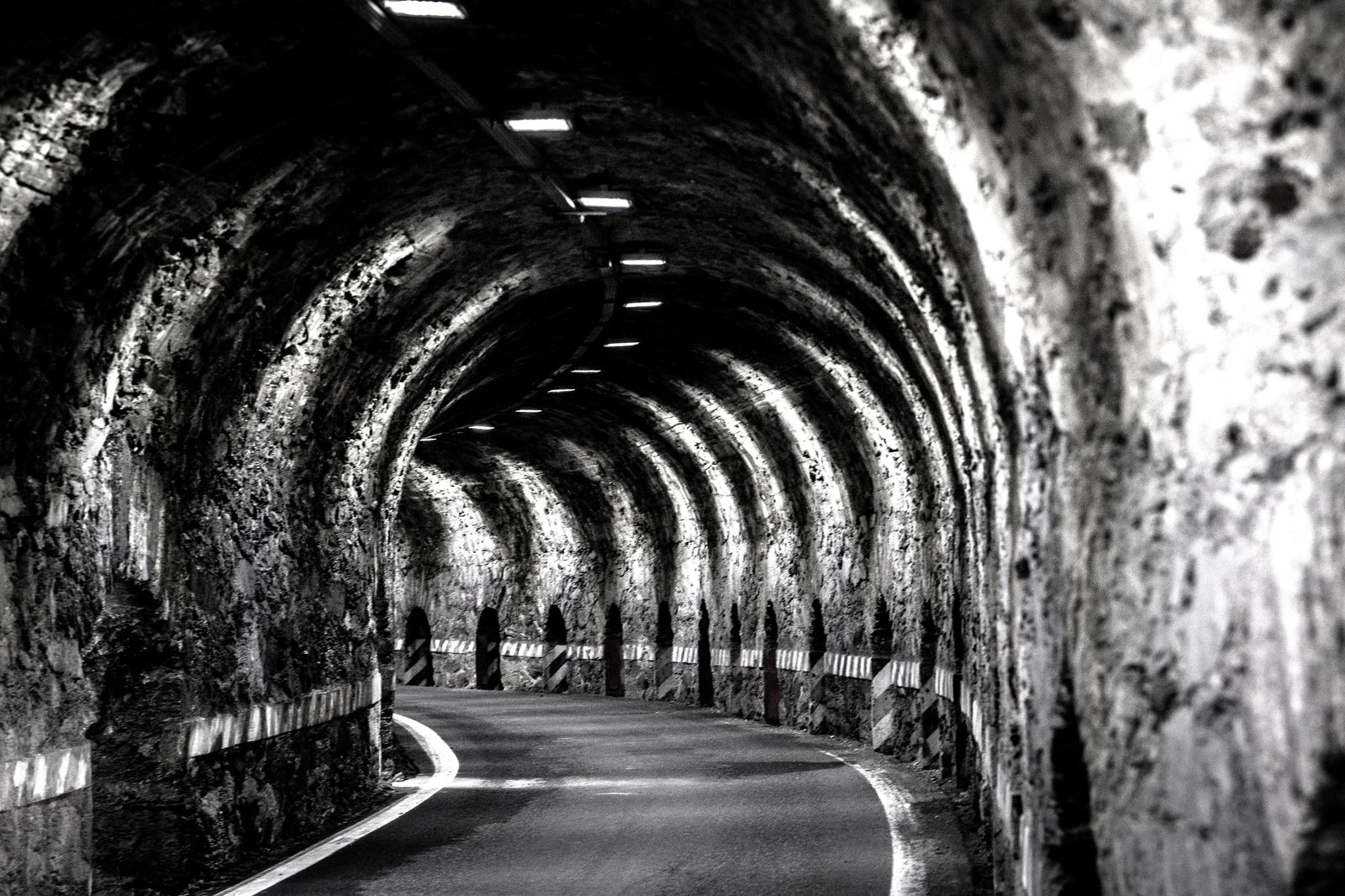
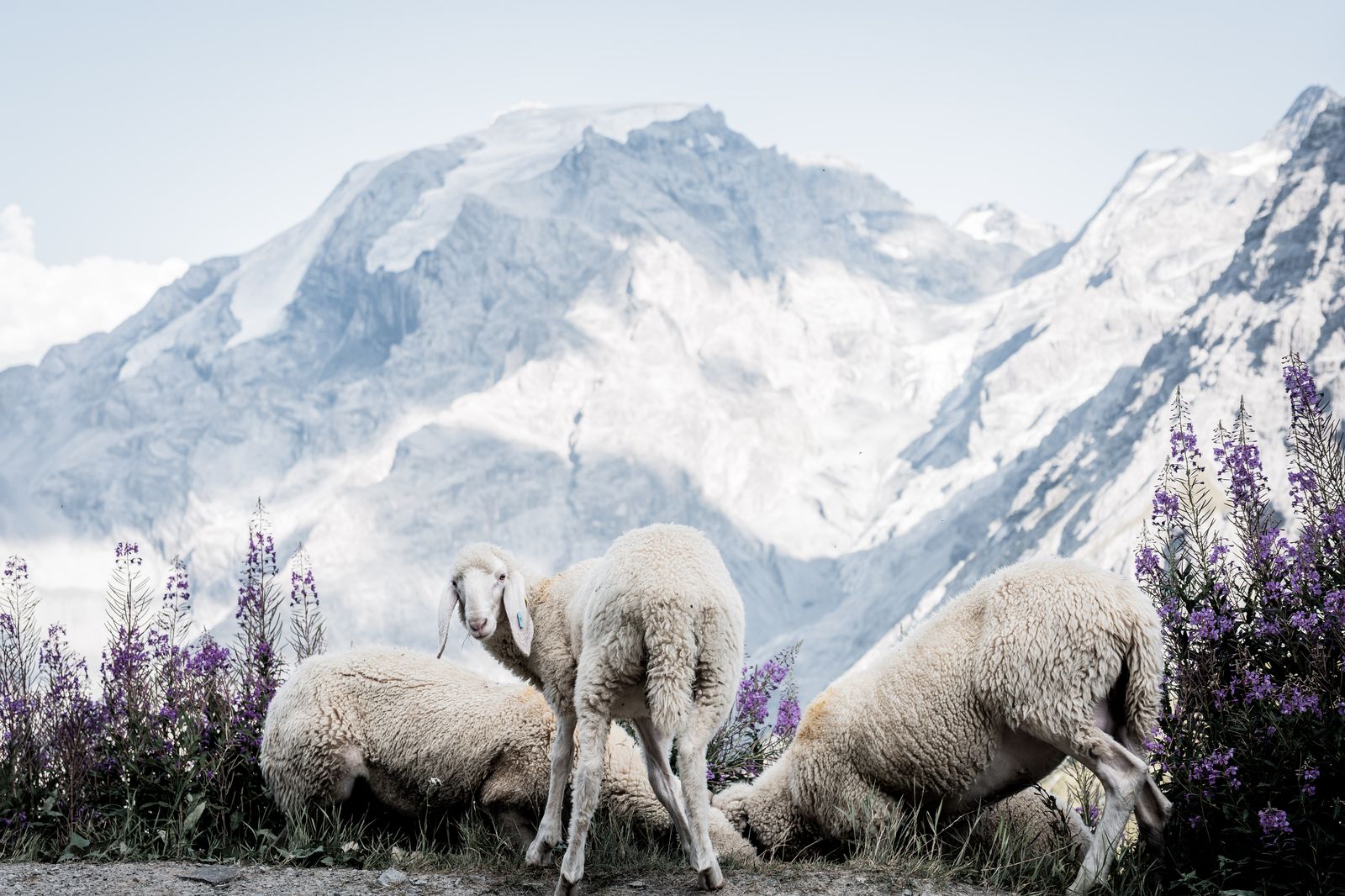
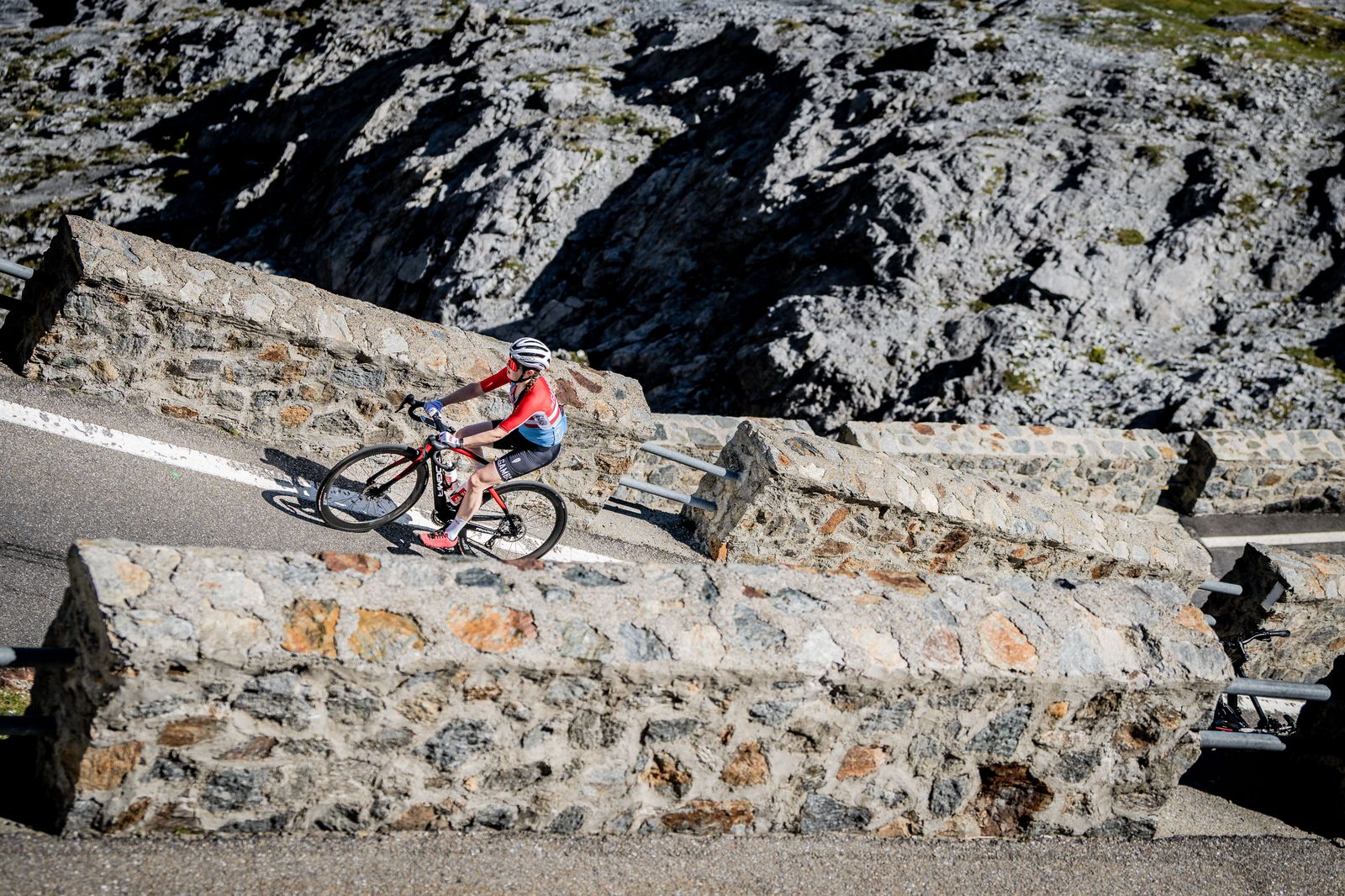
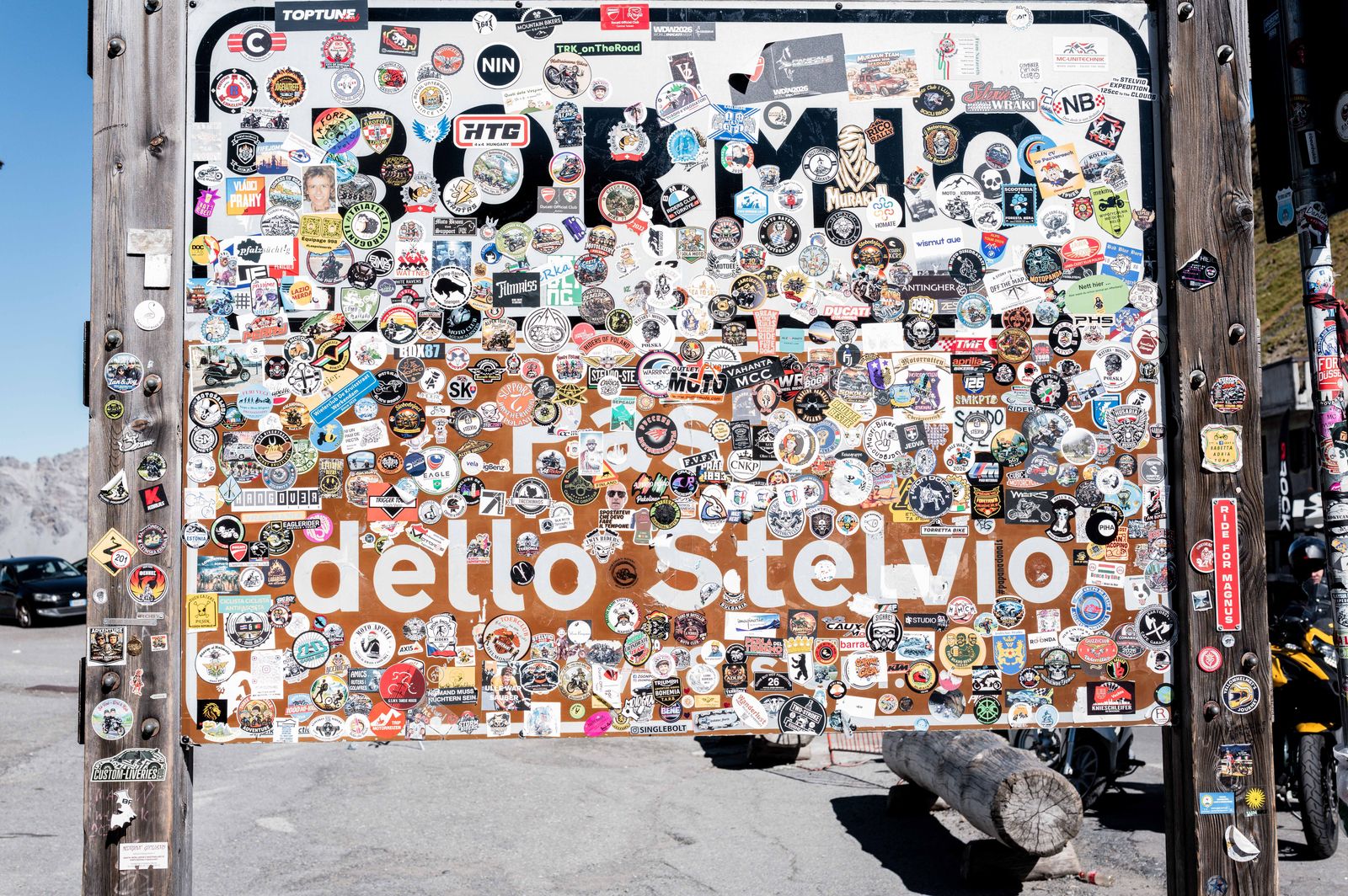
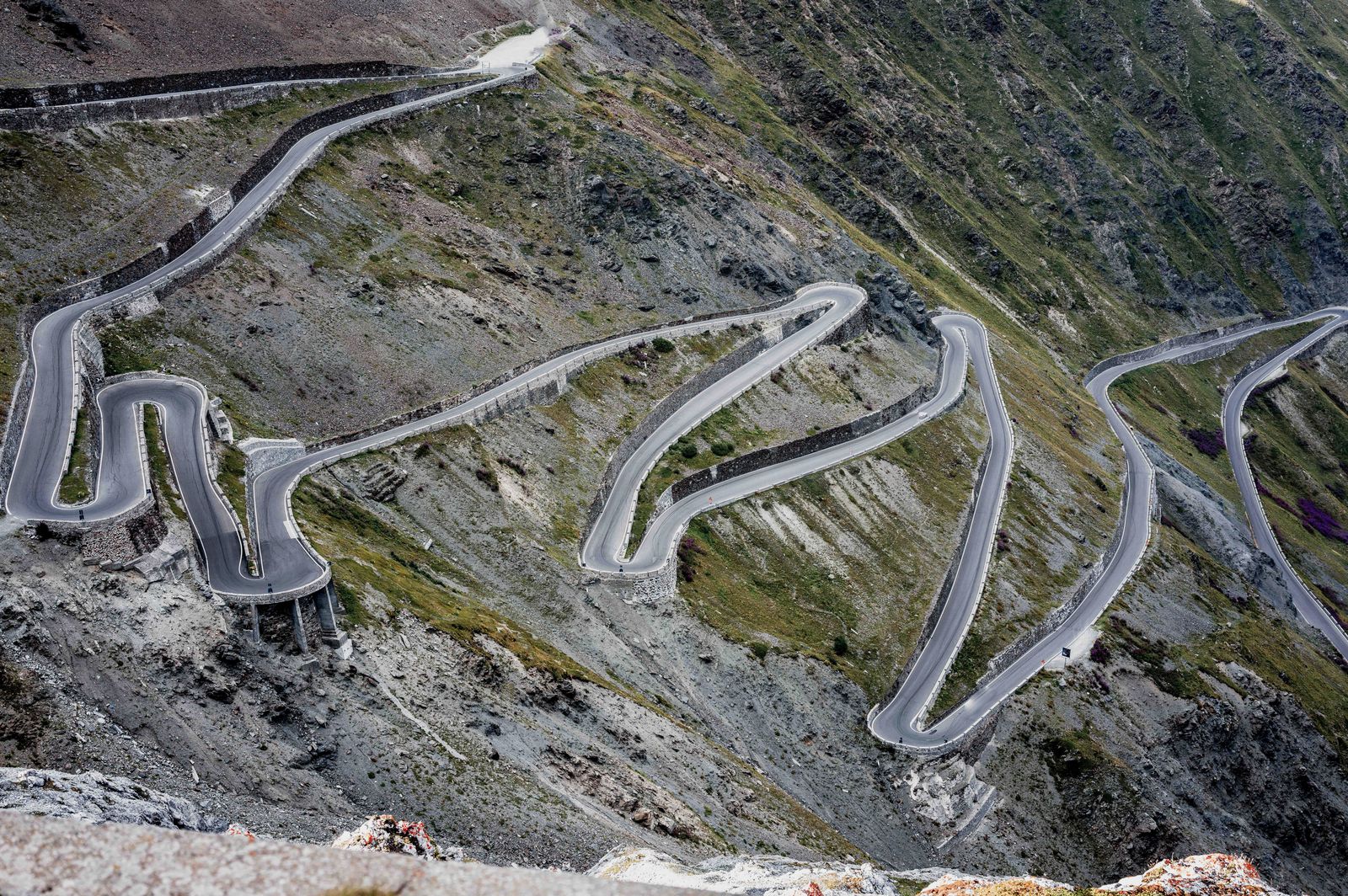
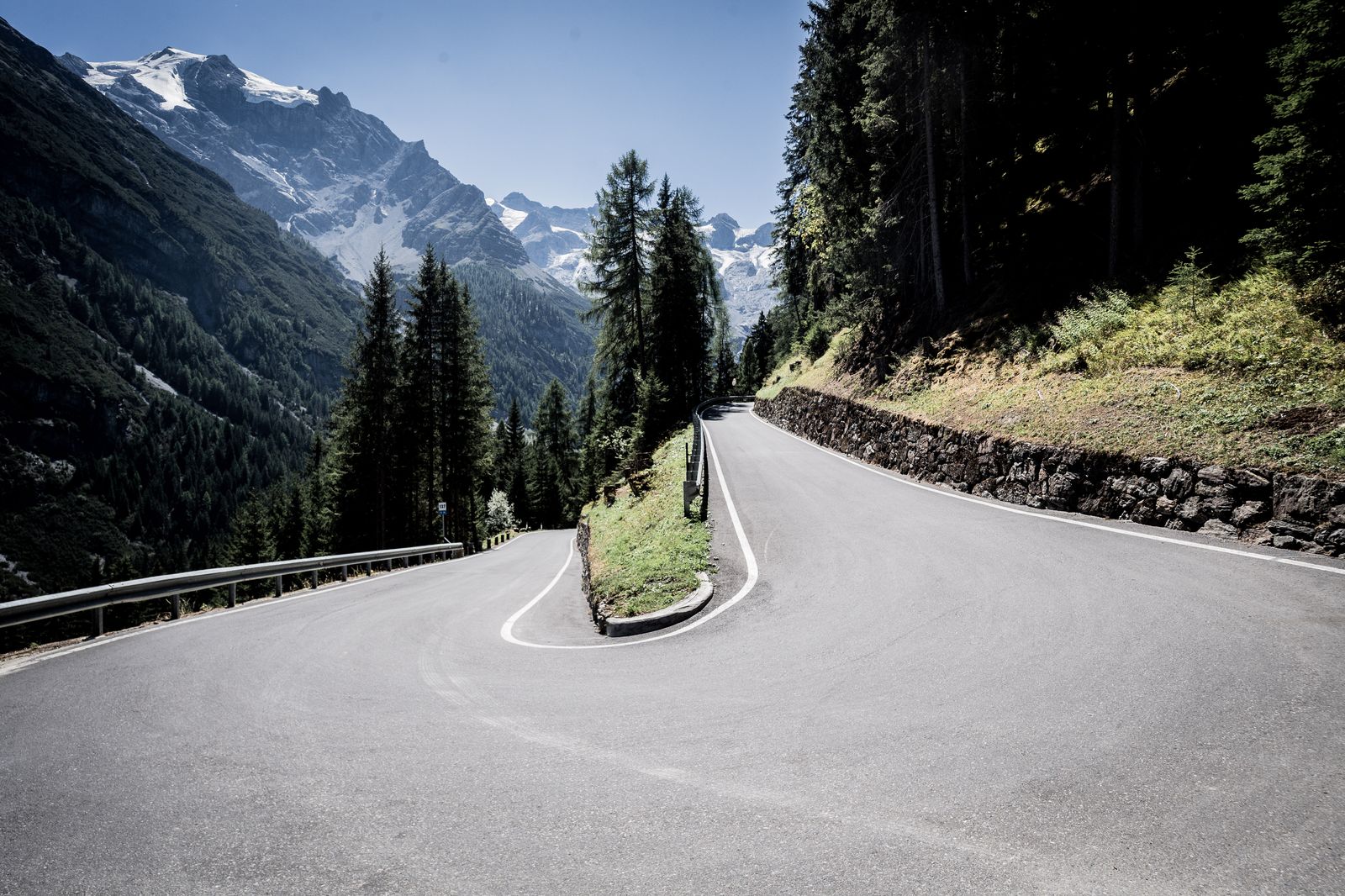
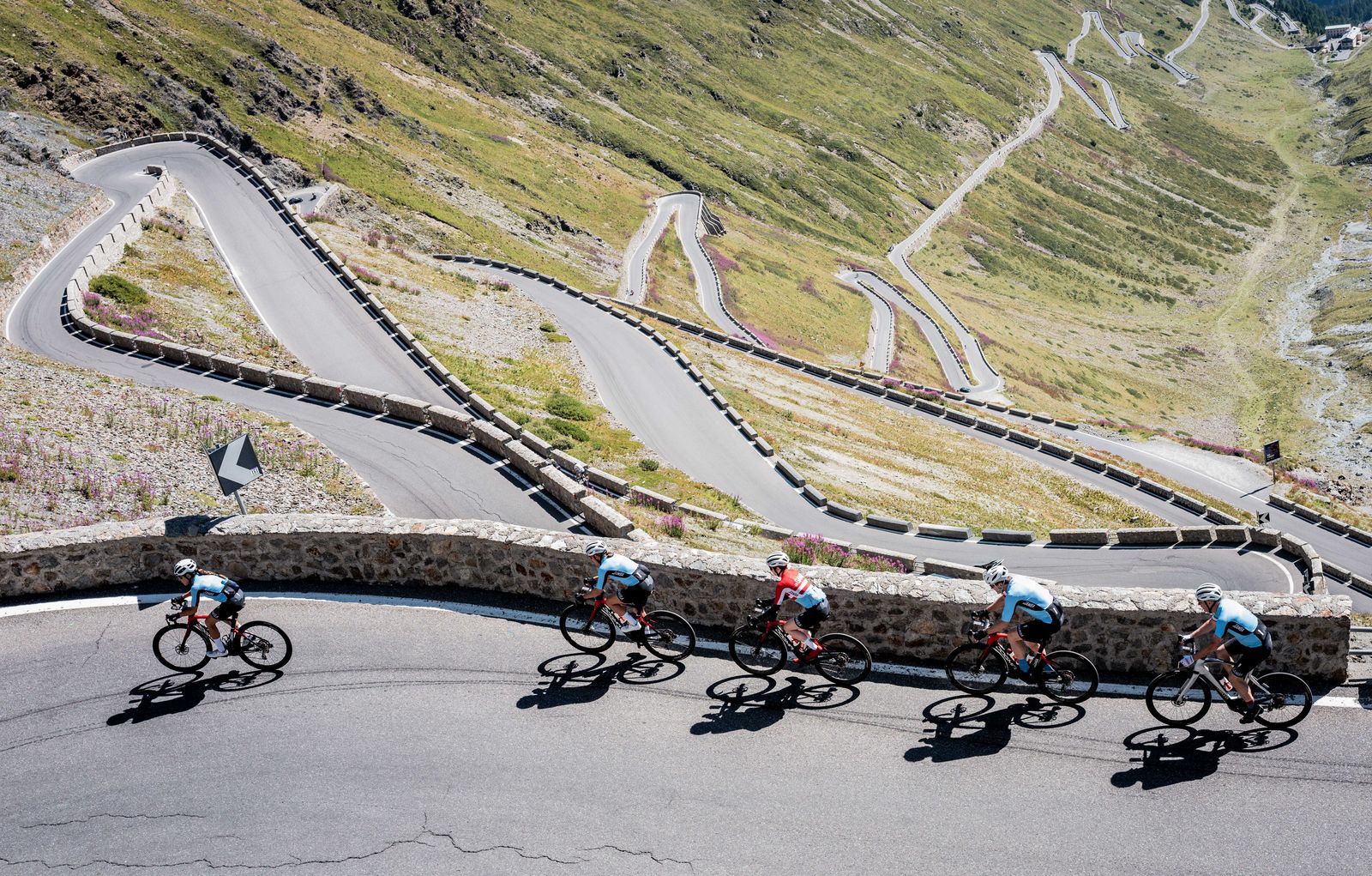
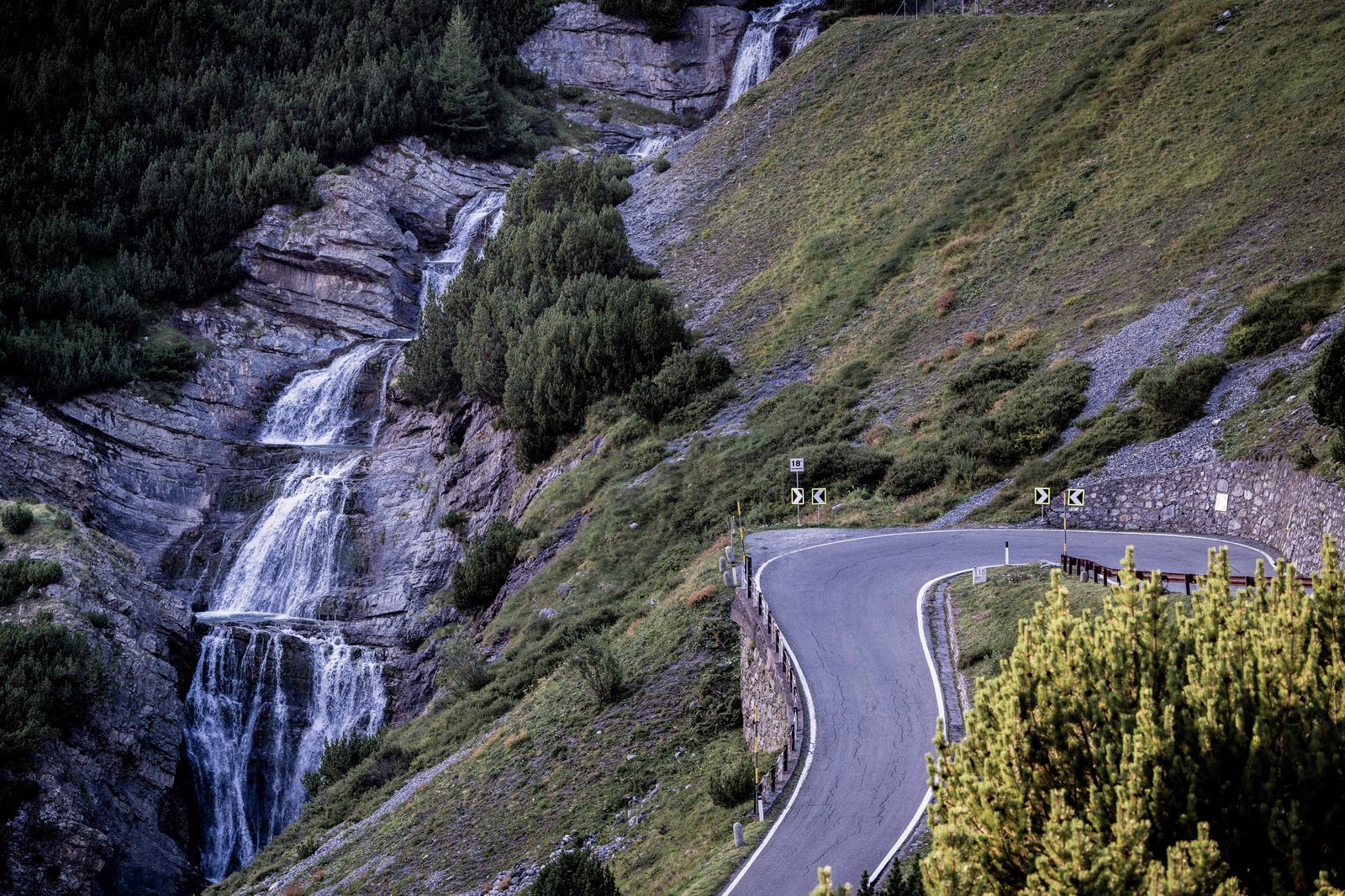
From the South Tyrolean side, the road climbs through an astonishing sequence of 48 hairpins. Visually, the tarmac is seemingly pinned to the mountainside in a giant zigzag, a thin ribbon of road winding through an immense Alpine landscape.
But that is a central reason why the Stelvio is so utterly unique. It is more than a spectacular piece of geography. It is also a remarkable feat of engineering. The road, I learned, was constructed between 1820 and 1825, when the region was part of the Austrian Empire, with the strategic purpose of connecting Lombardy to the Austrian-controlled Tyrol.
But what began as an imperial transport route has become, two centuries later, one of the world’s most celebrated roads in cycling.
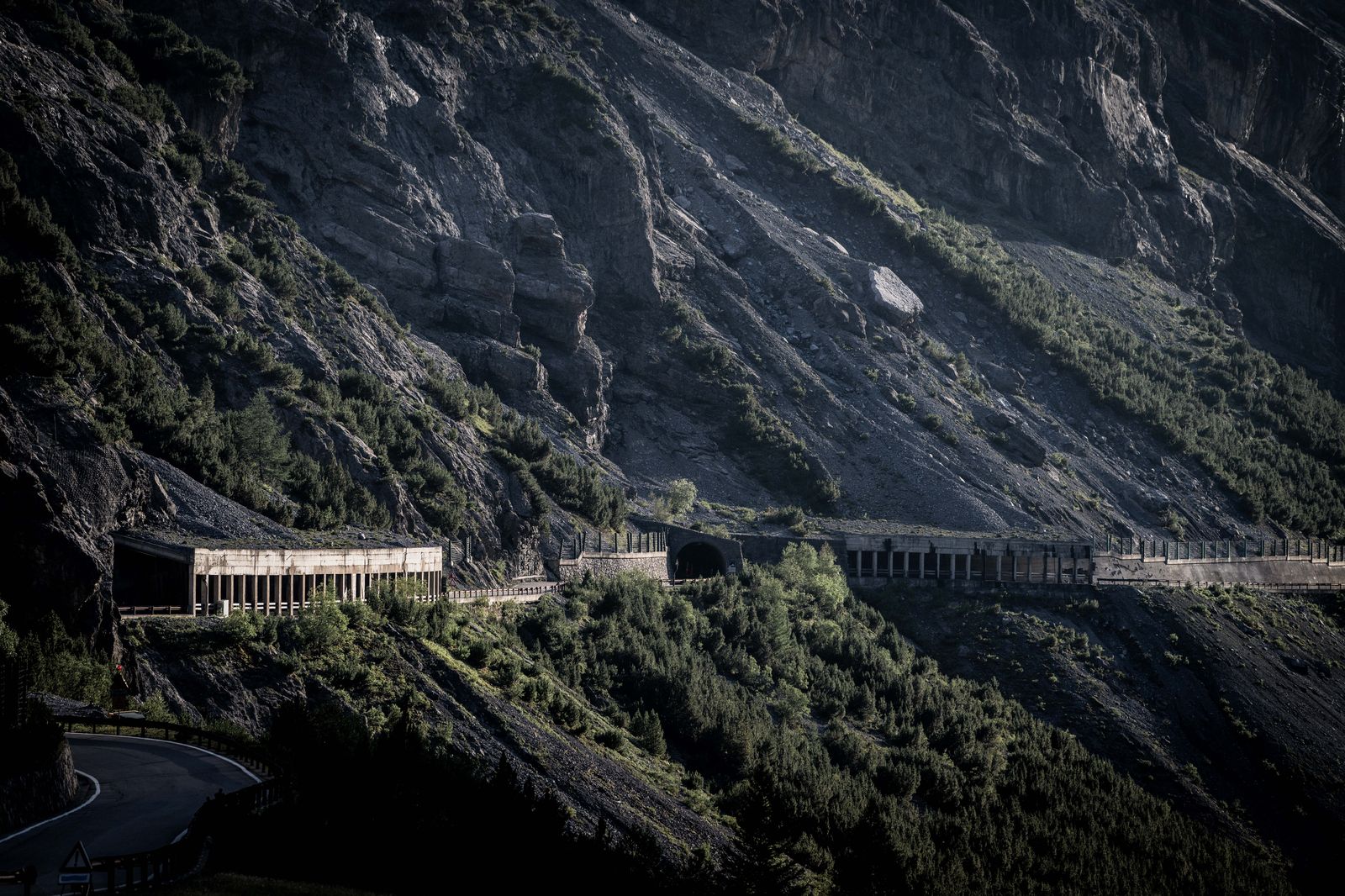
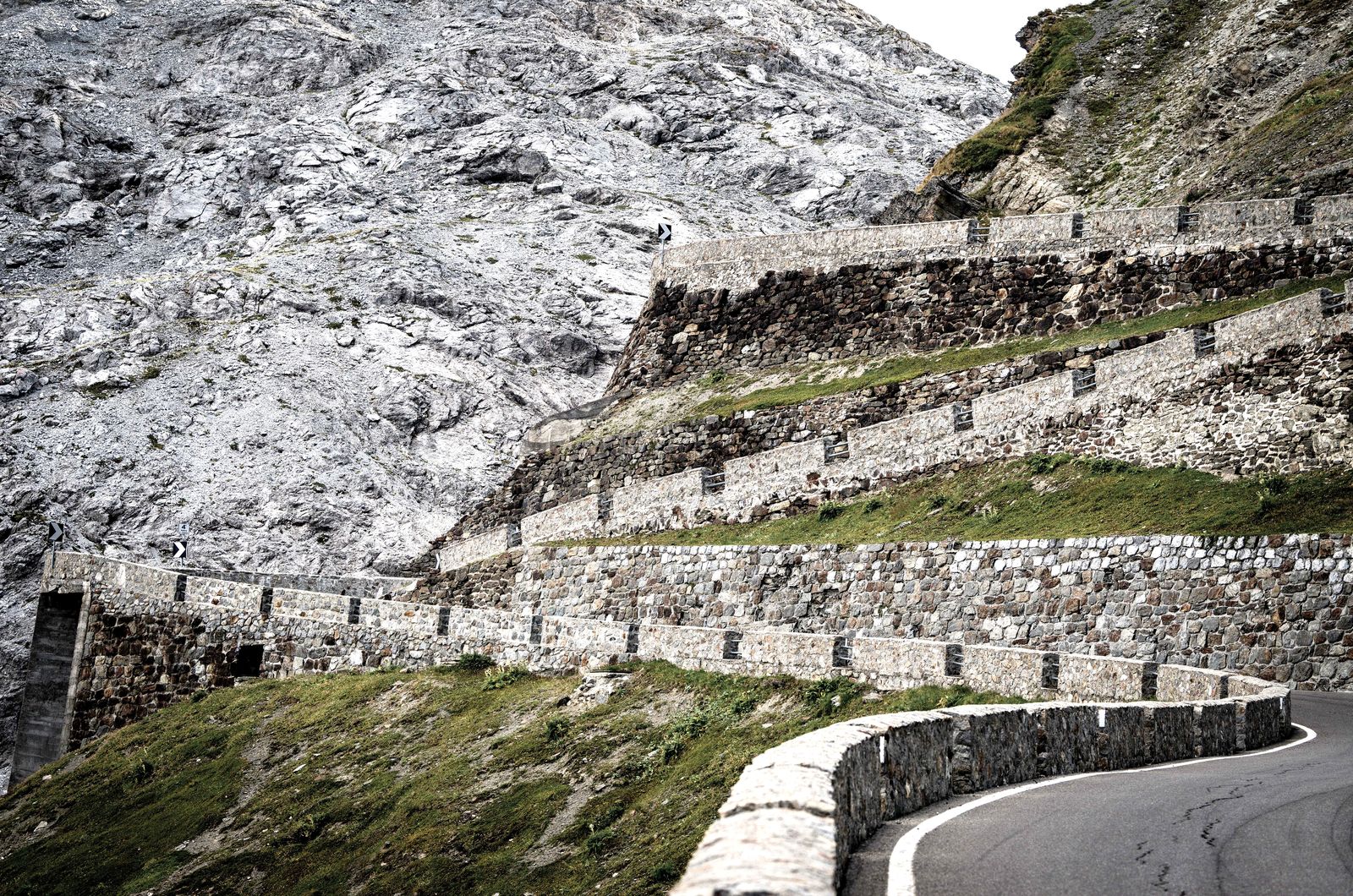
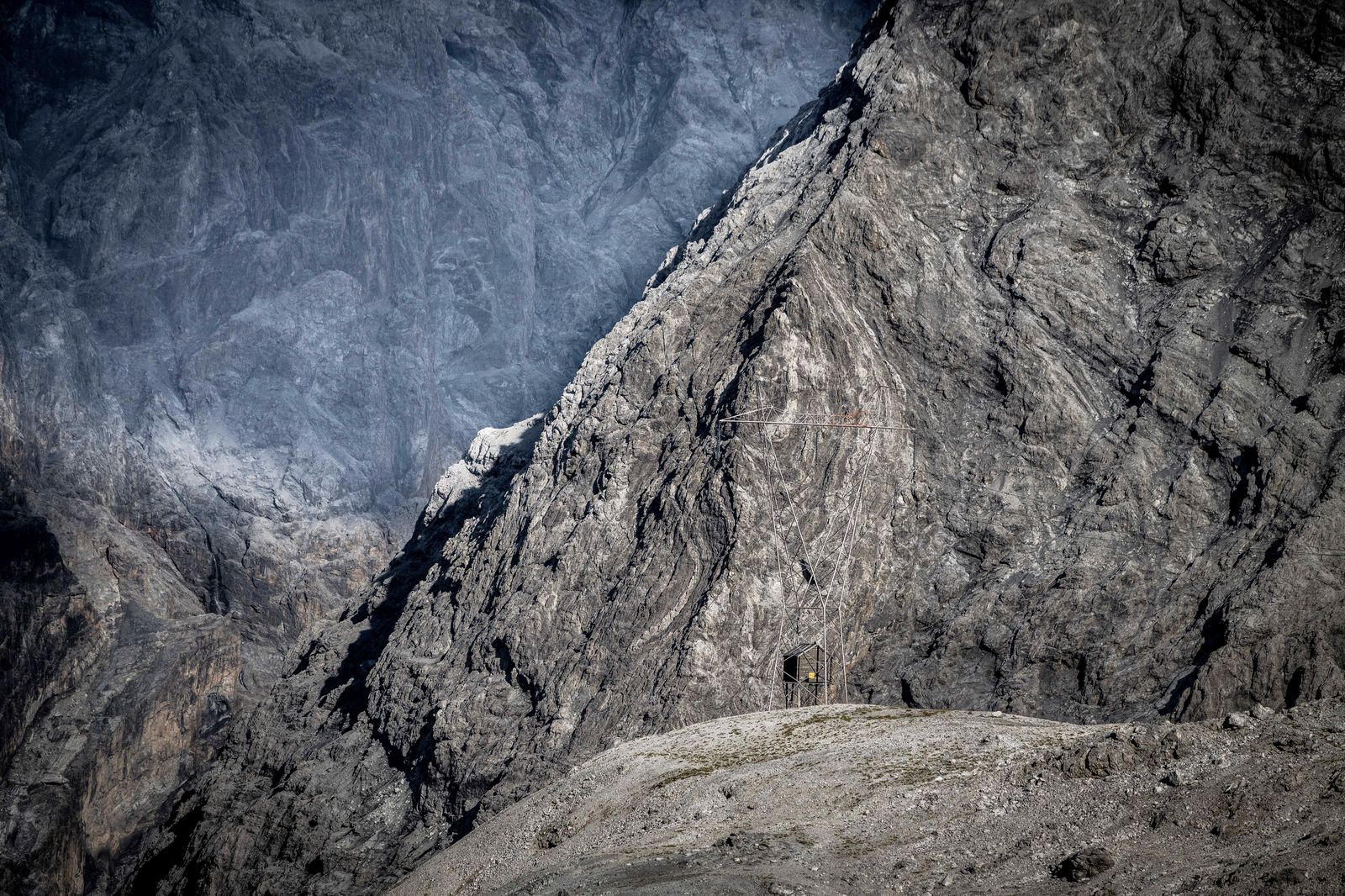
At times the road literally melts into the mountain as the rustic stone barries merge into the sheets of metamorphic rock, while the electrical pylons that lace their way across the summit are simply dwarfed by massive layers of rock formations. The combined affect is utterly singular. But the world’s greatest climbs, all possess a unique character. The Mont Ventoux or the Col de l’Izoard could never be confused other climbs, after all. And I quickly understood that the Stelvio was no exception.
For cyclists, of course, the Stelvio’s true legend began on 1 June 1953. That was the day the Giro d’Italia first crossed the pass, and it produced one of the defining performances of Fausto Coppi’s extraordinary career. Coppi was second overall, behind Hugo Koblet, and the two had apparently agreed that Coppi would not attack. Yet when Koblet responded to an acceleration by Coppi’s young teammate, the agreement was effectively broken. Coppi seized his opportunity.
He attacked on the Stelvio, climbed above the snow line and reached the summit alone, gaining precious time on Koblet. He went on to win the stage, take the pink jersey and ultimately claim his fifth Giro victory. It was also the final great triumph of Coppi’s Giro career. The Stelvio and the Campionissimo became permanently intertwined.
That story explains why the climb feels different from merely riding a long, steep road. Every hairpin carries a sense of racing history. The Stelvio has repeatedly served as the Giro’s Cima Coppi — the highest point reached by the race — turning altitude itself into a prize. At nearly 3,000 metres, the air is thin, the weather can change rapidly and the final kilometres can become a battle simply to keep the pedals turning.
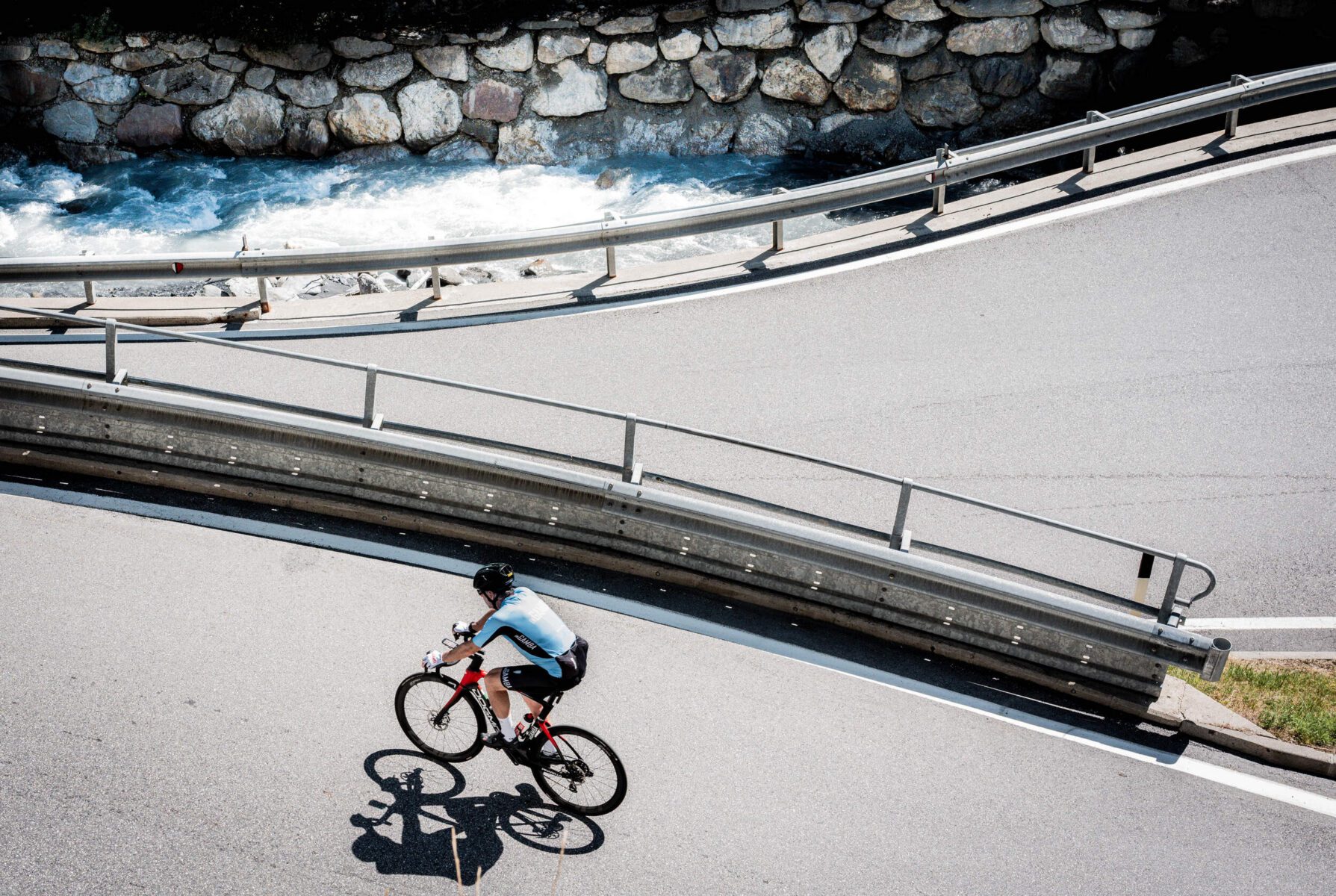
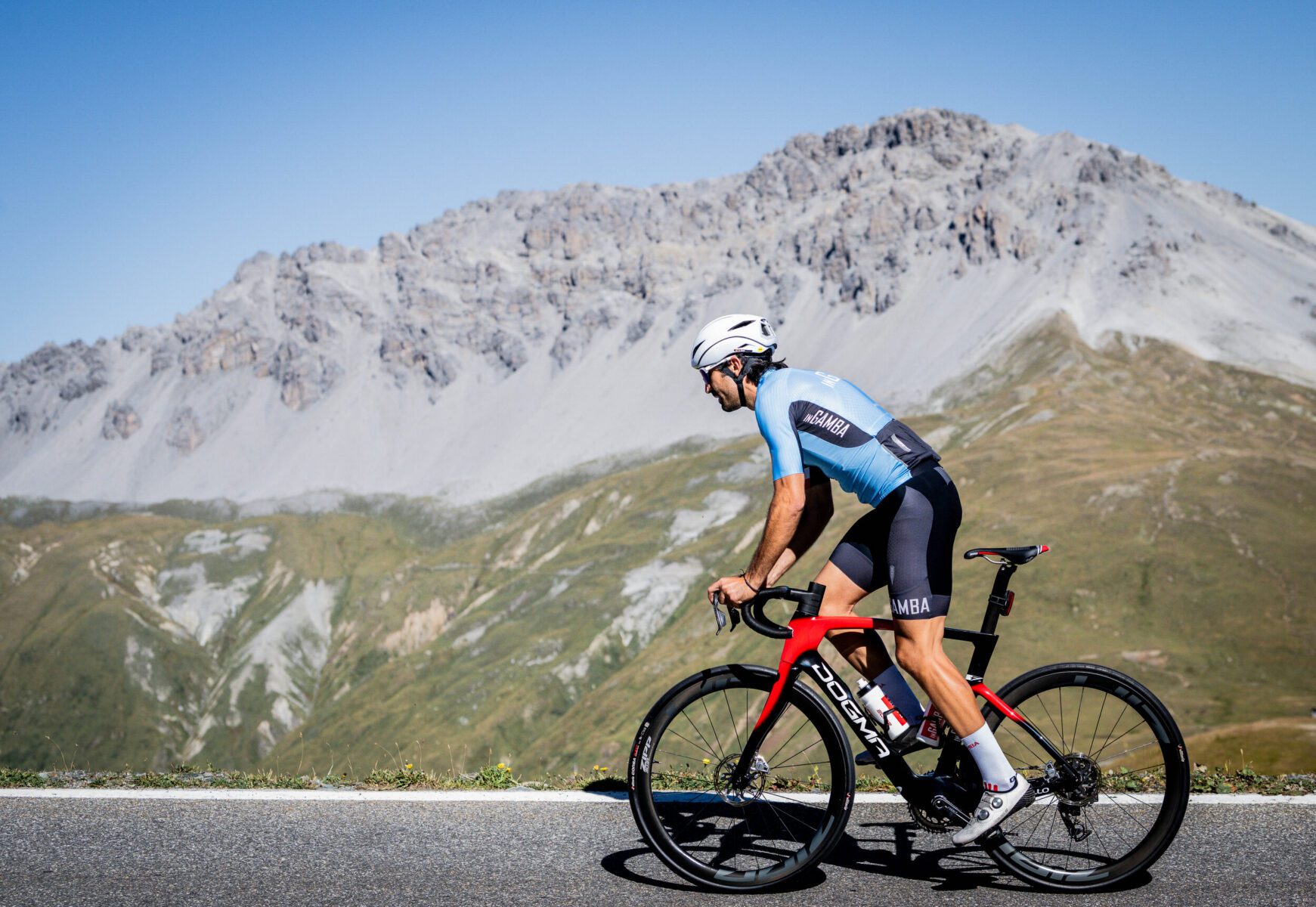
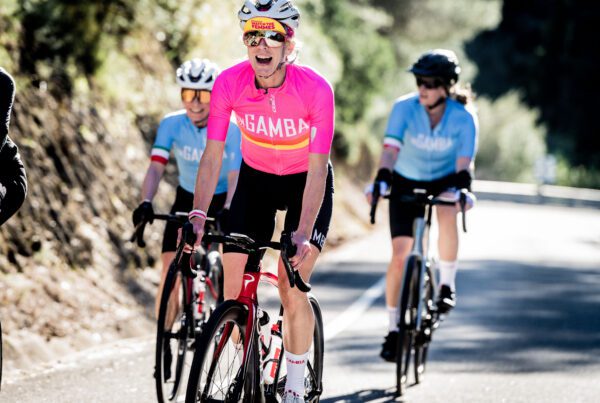
The next morning, I then followed the inGamba guests as they made their way up from Bormio, and I stayed with those who impressively climbed both sides of the Stelvio on the same day. Needless to say I wished I could be riding with them, but I was only too happy to capture them in the dizzying array of turns that sprawl below.
And that is ultimately why the Stelvio is epic. It combines everything that makes mountain cycling compelling: the physical suffering of a relentless ascent, the psychological battle of knowing how much road remains, the grandeur of the Alps and the ghosts of riders who came before. It is simply impossible to tackle a climb like the Stelvio without thinking of the countless other cyclists—some famous, many not—that have come before.
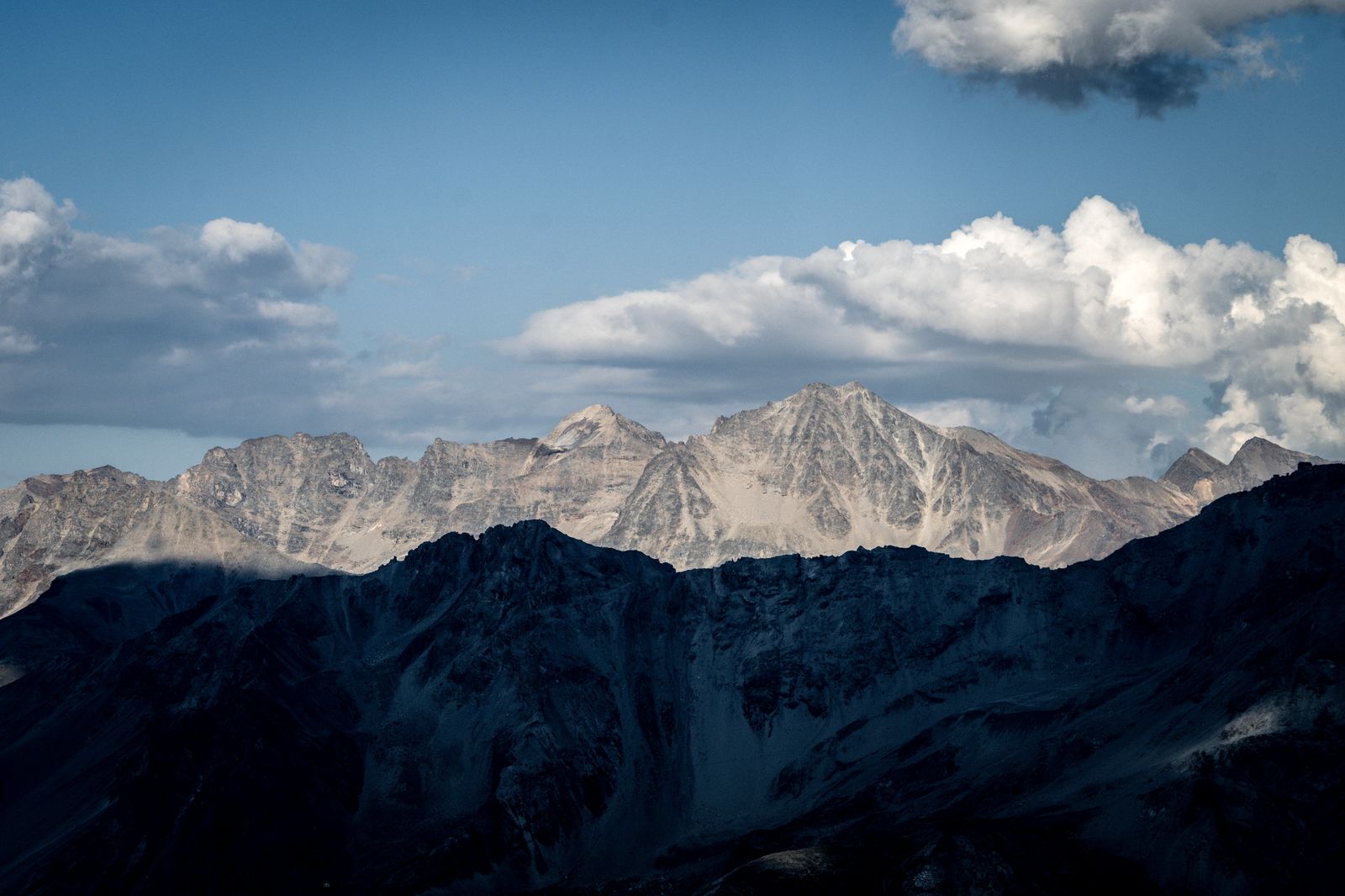
At the summit, surrounded by peaks and staring back down at those seemingly endless switchbacks, the achievement feels bigger than the ride itself. And everyone who has climbed the Stelvio is part of cycling’s history.