
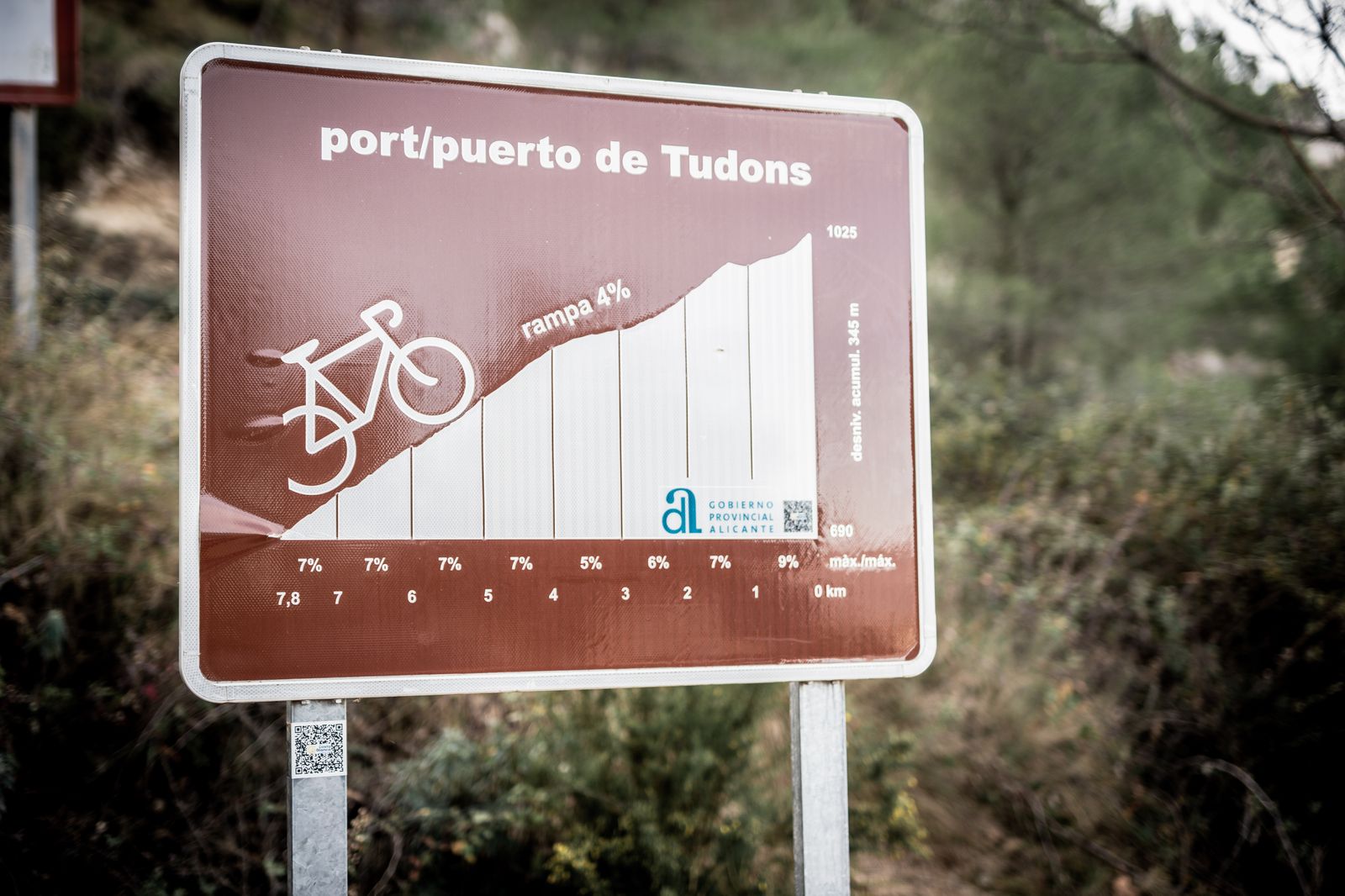
Alt de Tudons, Coll de Rates, and Coll de la Vall d’Ebo may not be household names when it comes to famous mountain passes. But when it comes to classic cycling climbs, their reputation rivals that of the sport’s most iconic summits. They are the climbs of Alicante.
While none of these climbs come close to the highest peaks in the Alps or Dolomites, they are some of the most frequented summits in the early season, as club cyclists and world champions alike share the road, each preparing for their own goals in the months to come.
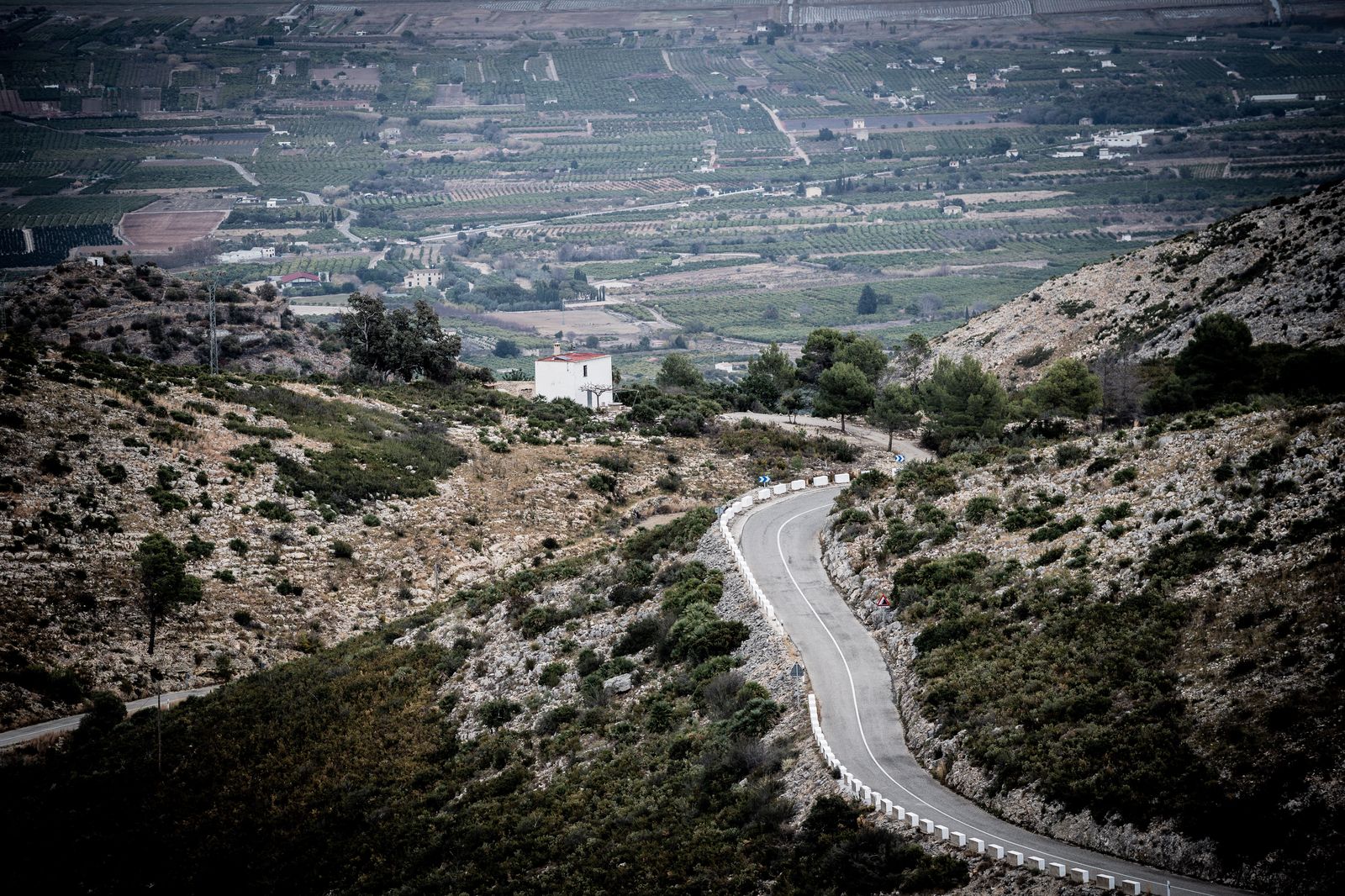
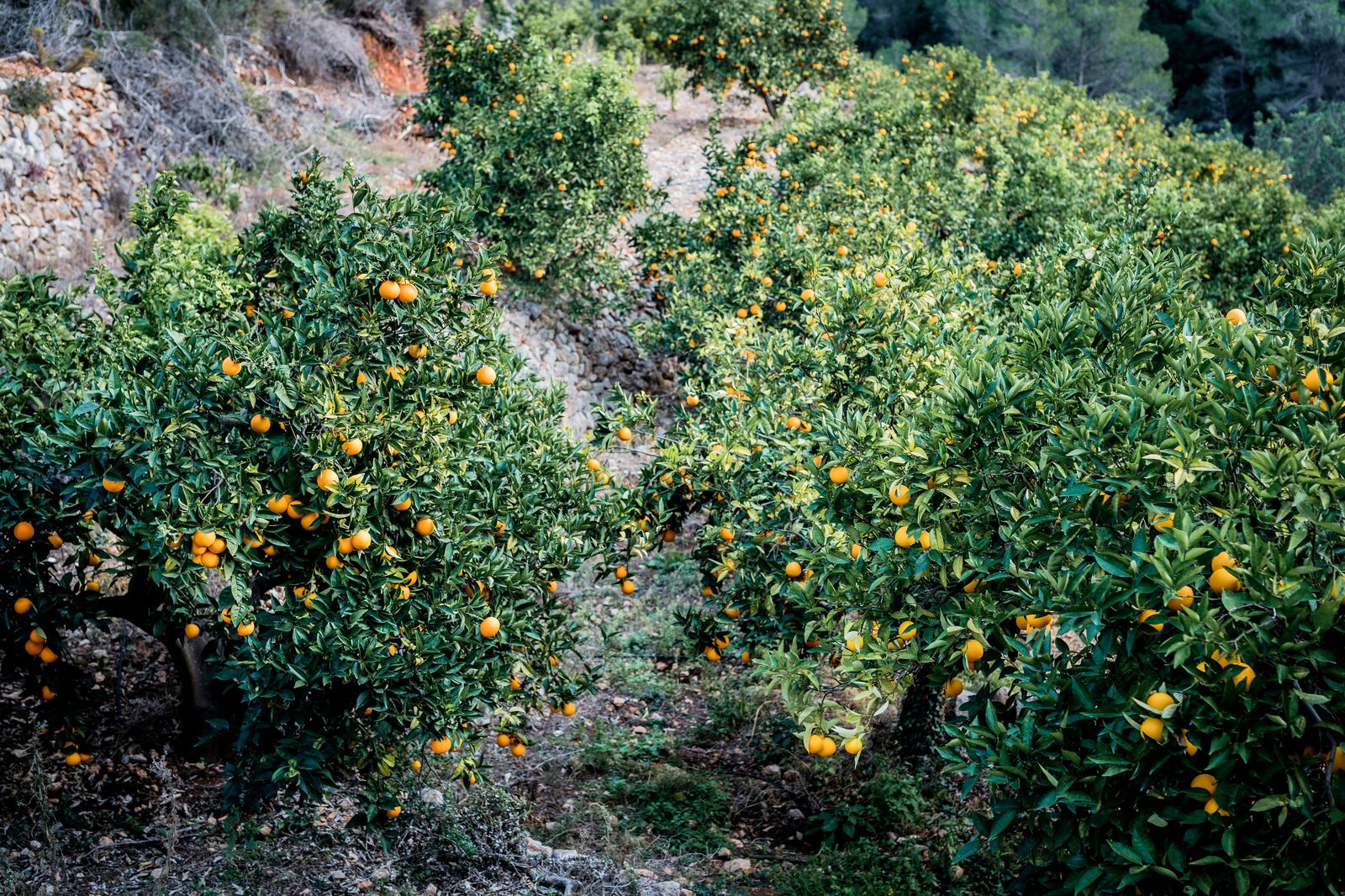
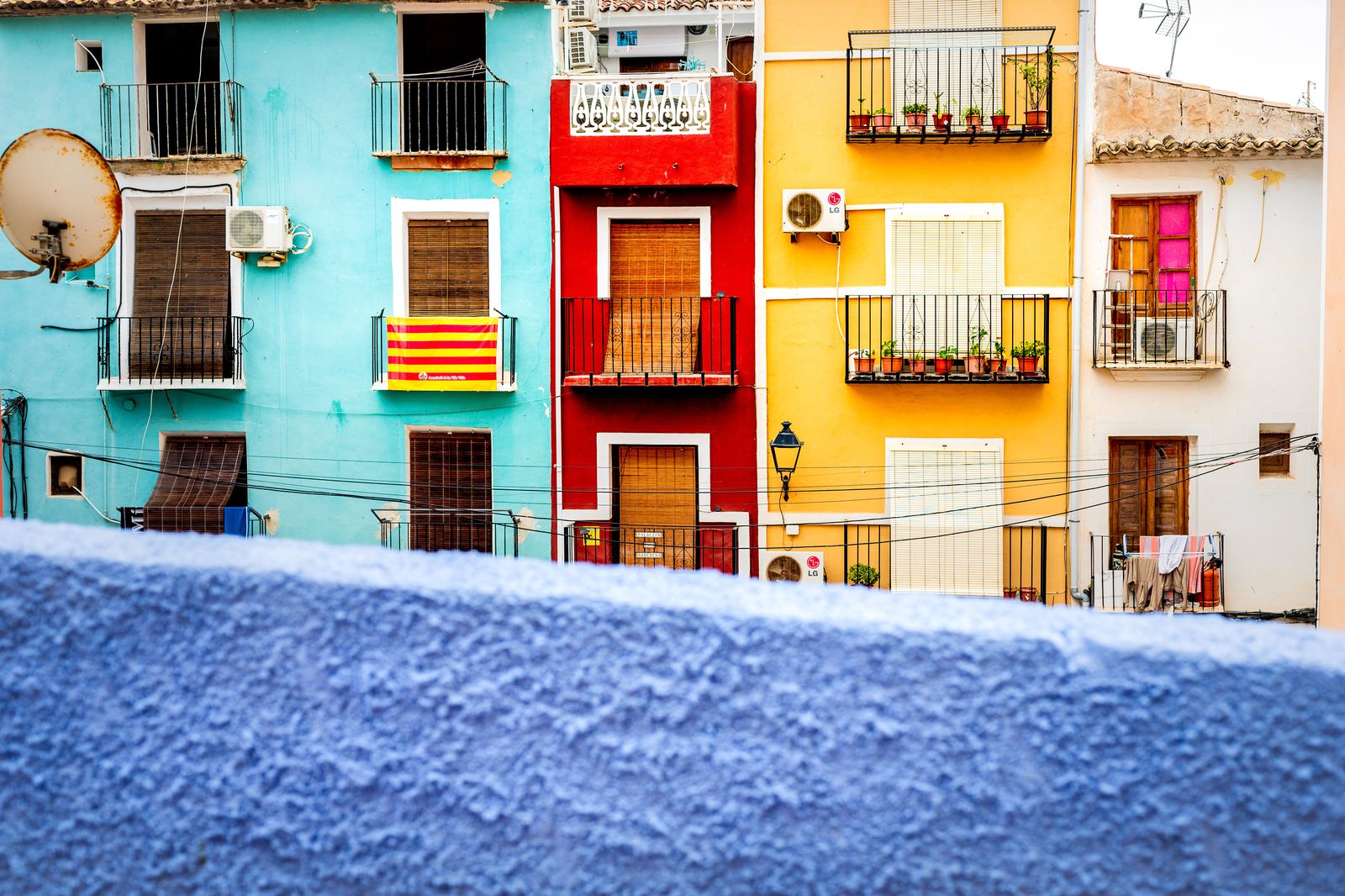
And then there is the unique landscape found in this corner of Spain, filled with orchards of olives and oranges, with a backdrop of either whitewashed or brightly colored villages along the Mediterranean coast.
These are just some of the fleeting impressions that are on constant display while riding along the coast of Alicante in the early season.
Over the years, I have come to Alicante on countless occasions to interview and photograph numerous pros prior to the start of a new season.
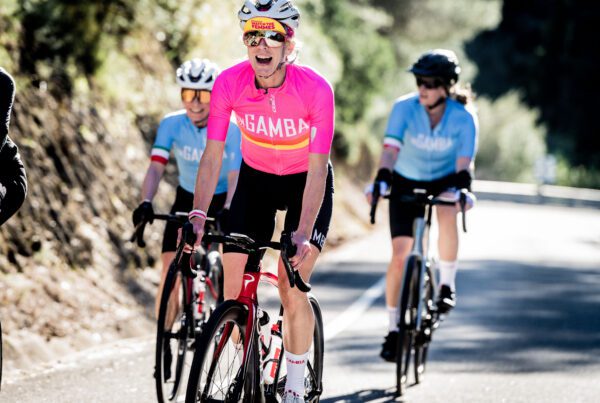
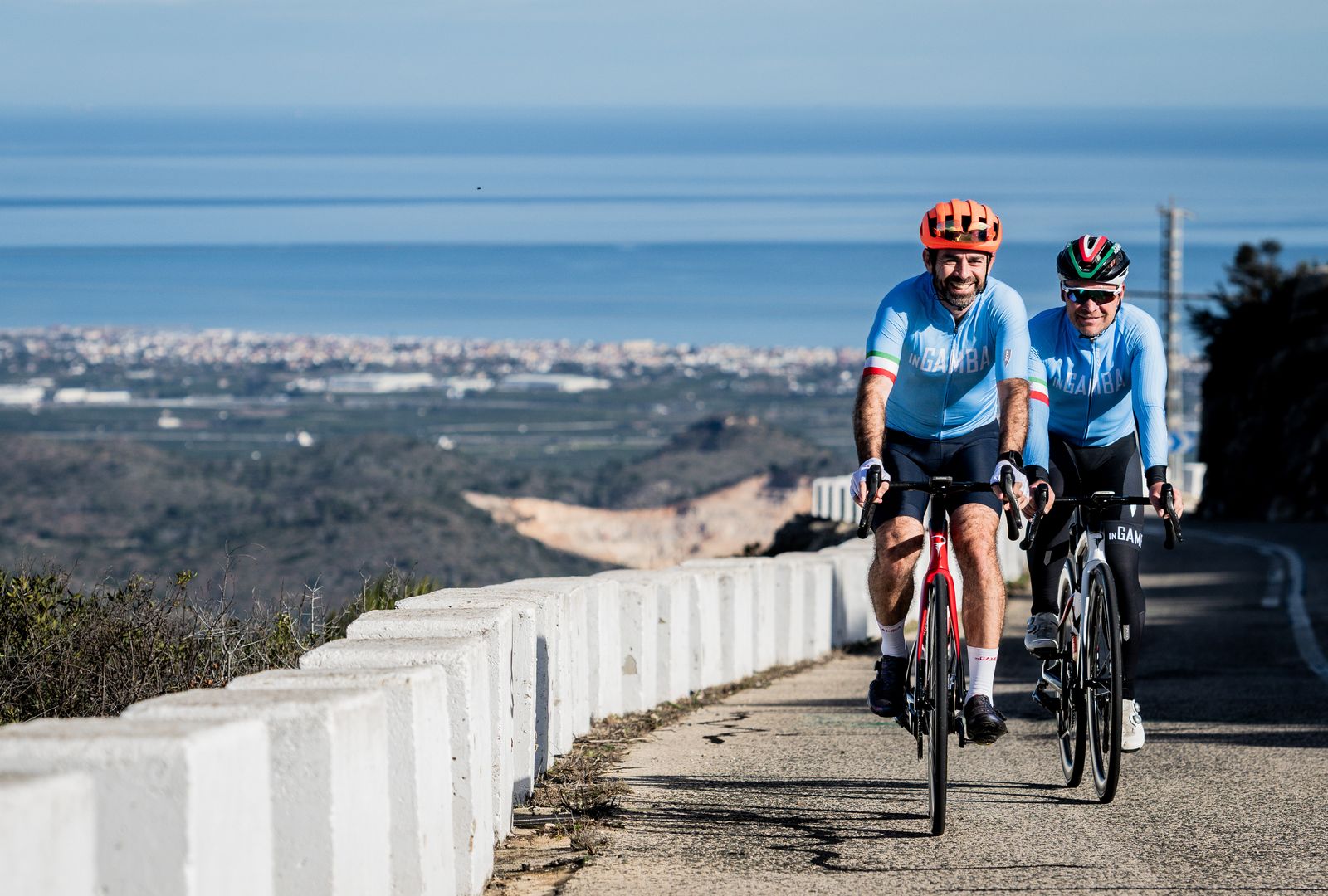
But it was only last year, when I joined an inGamba trip, that I was actually able to ride these roads myself. And I quickly gained an even greater understanding of their magic. Thinking back, I have visions of former pro Sergio Paulinho’s rear wheel, offering the perfect pace as we climbed, only to be passed by several pro teams on the descent. Looking for total immersion? Look no further.
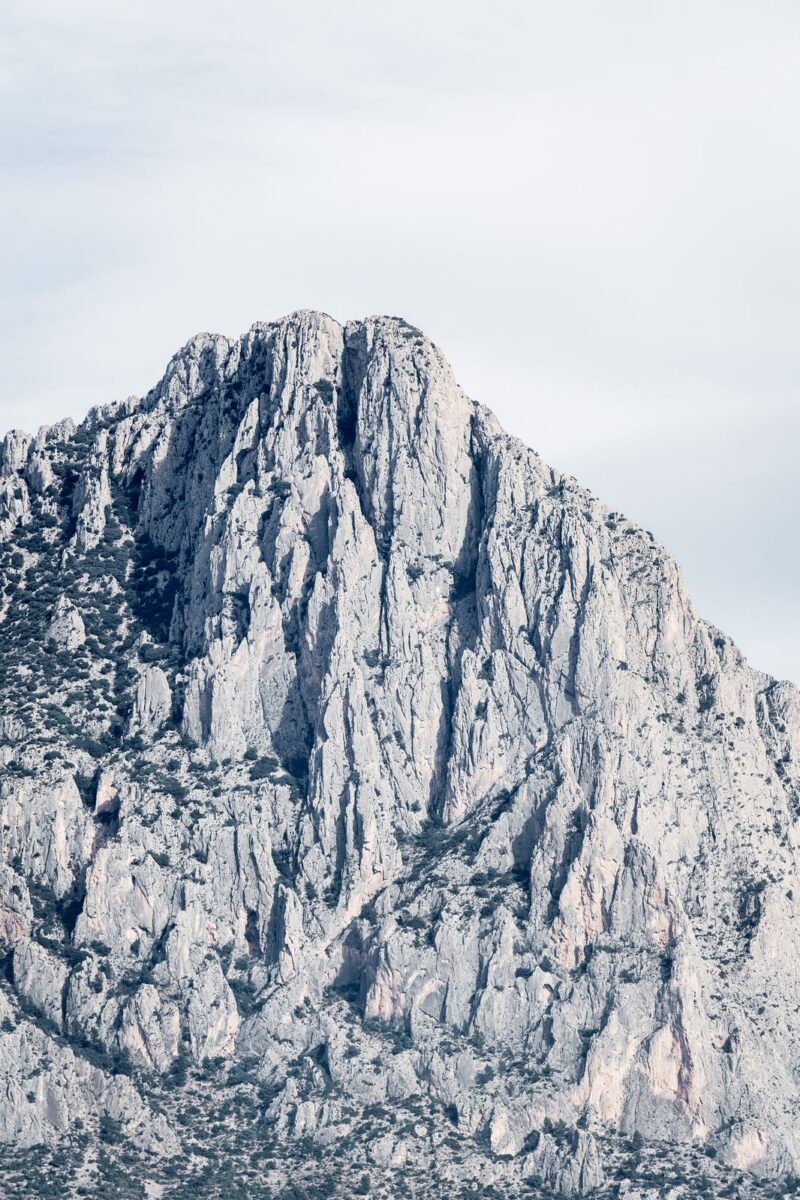
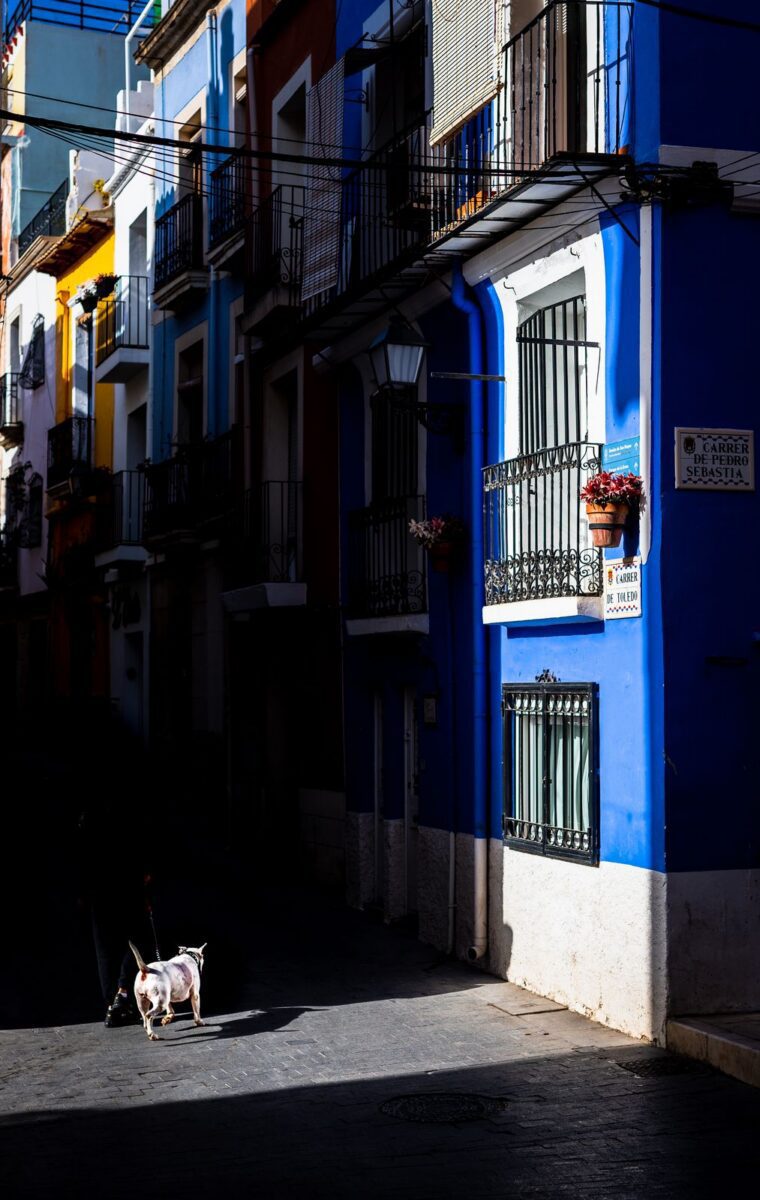
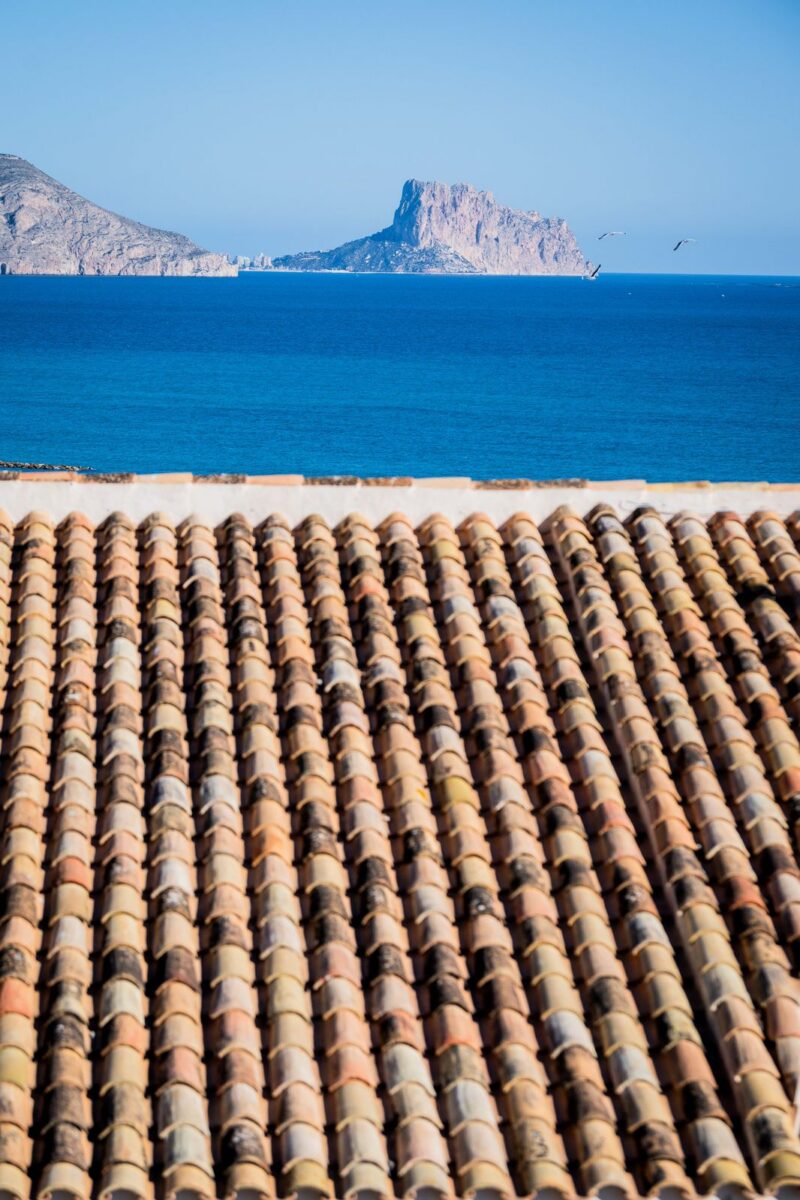
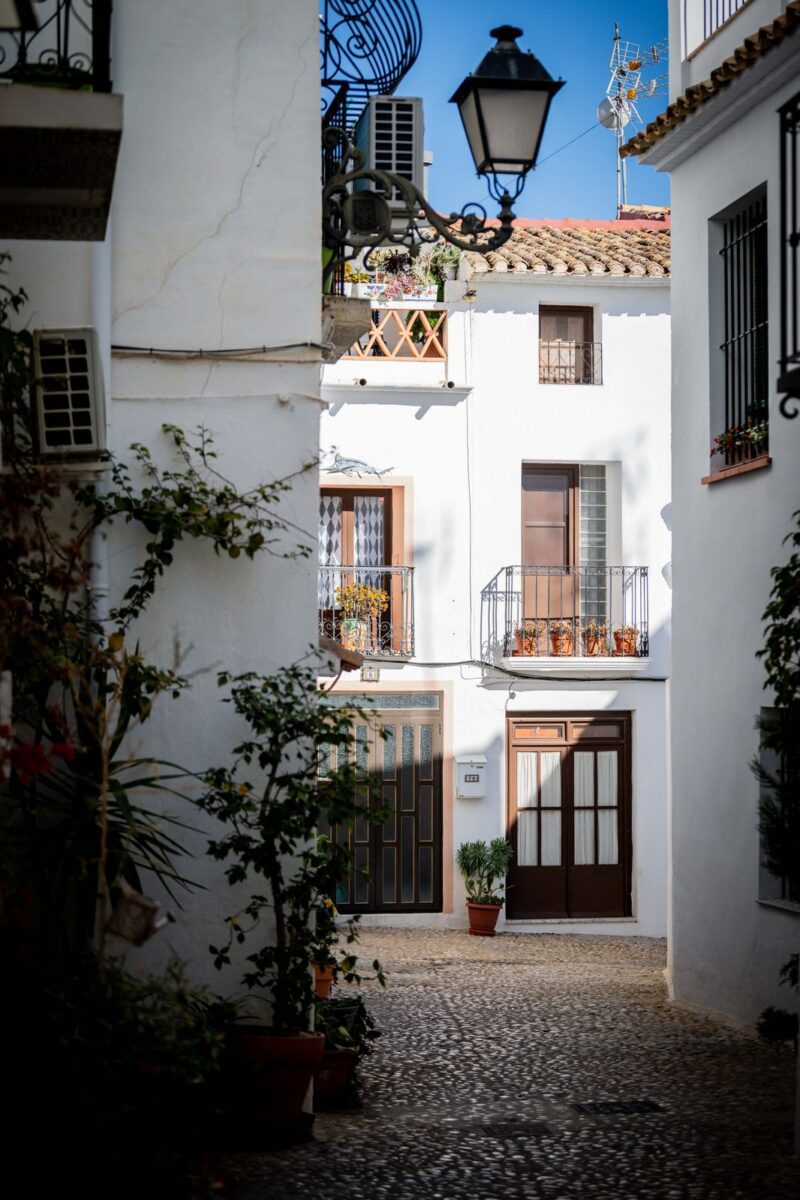
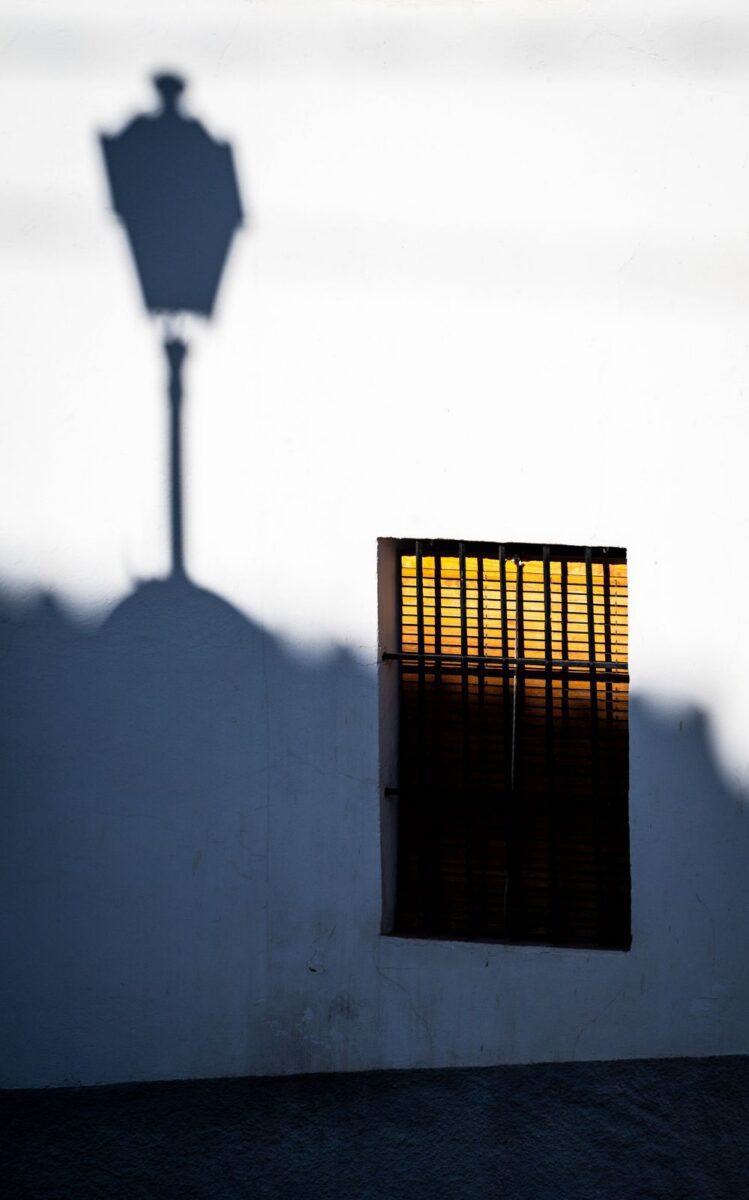
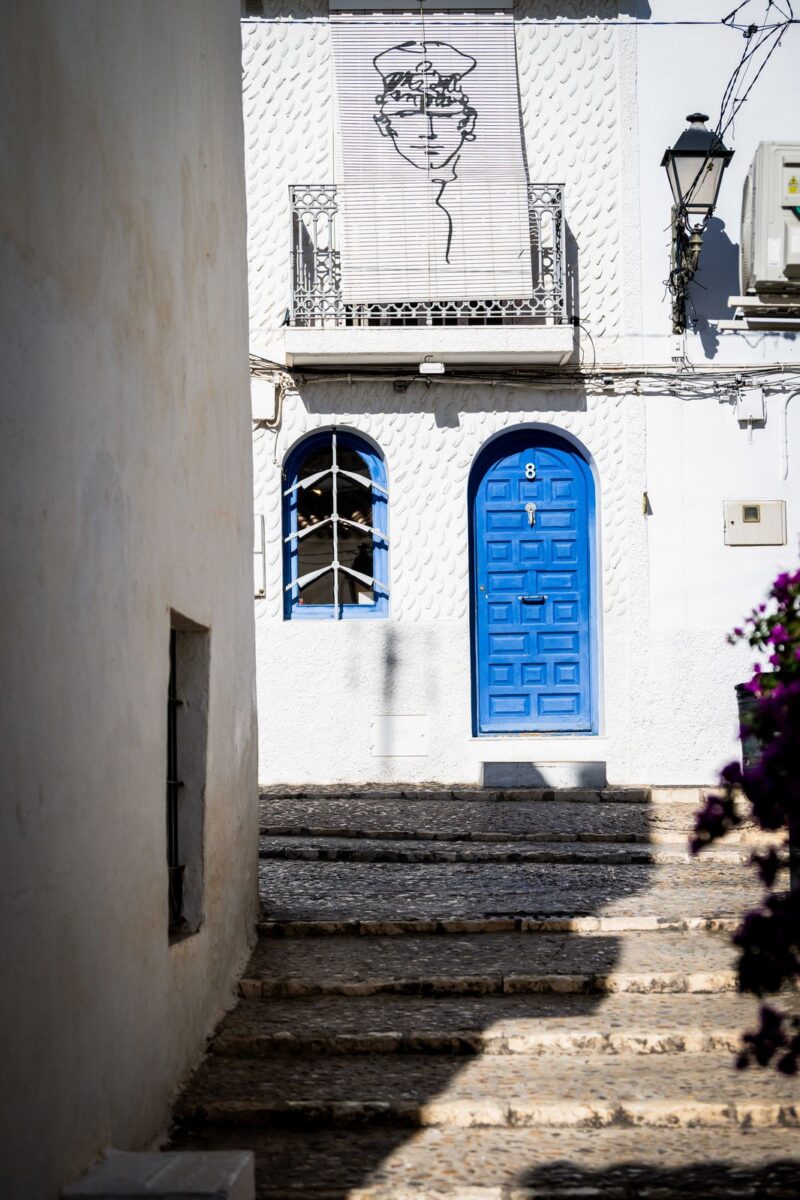
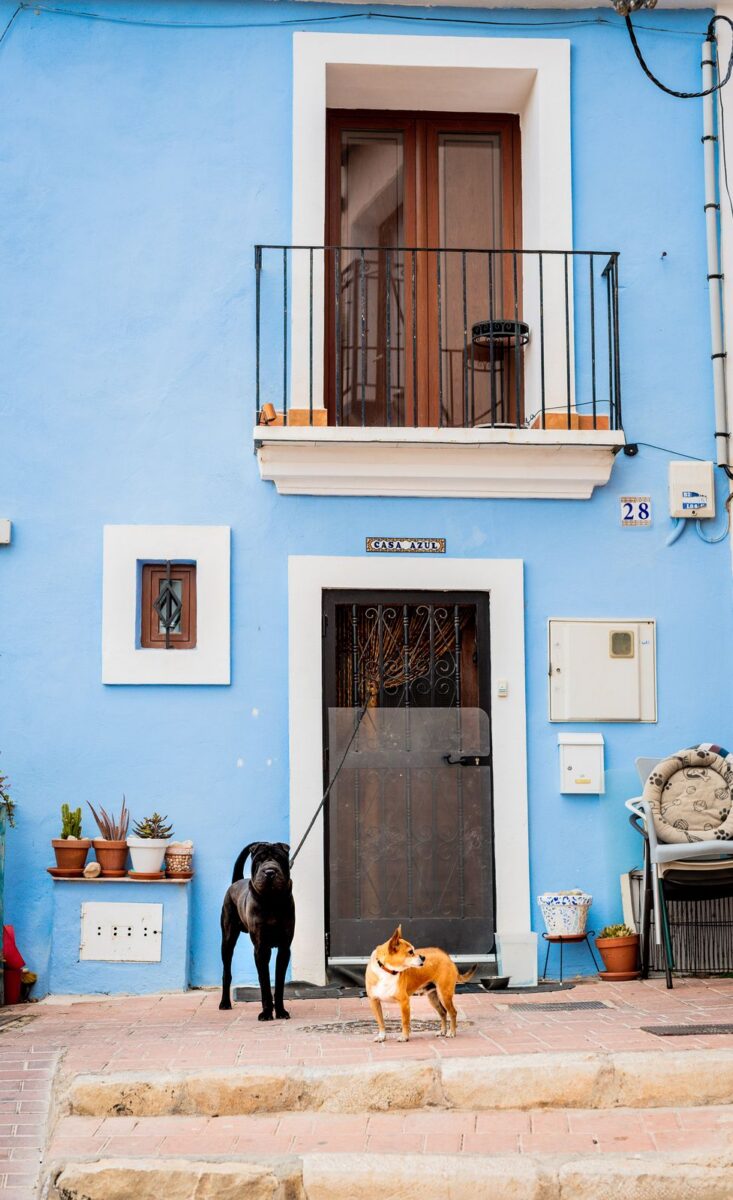
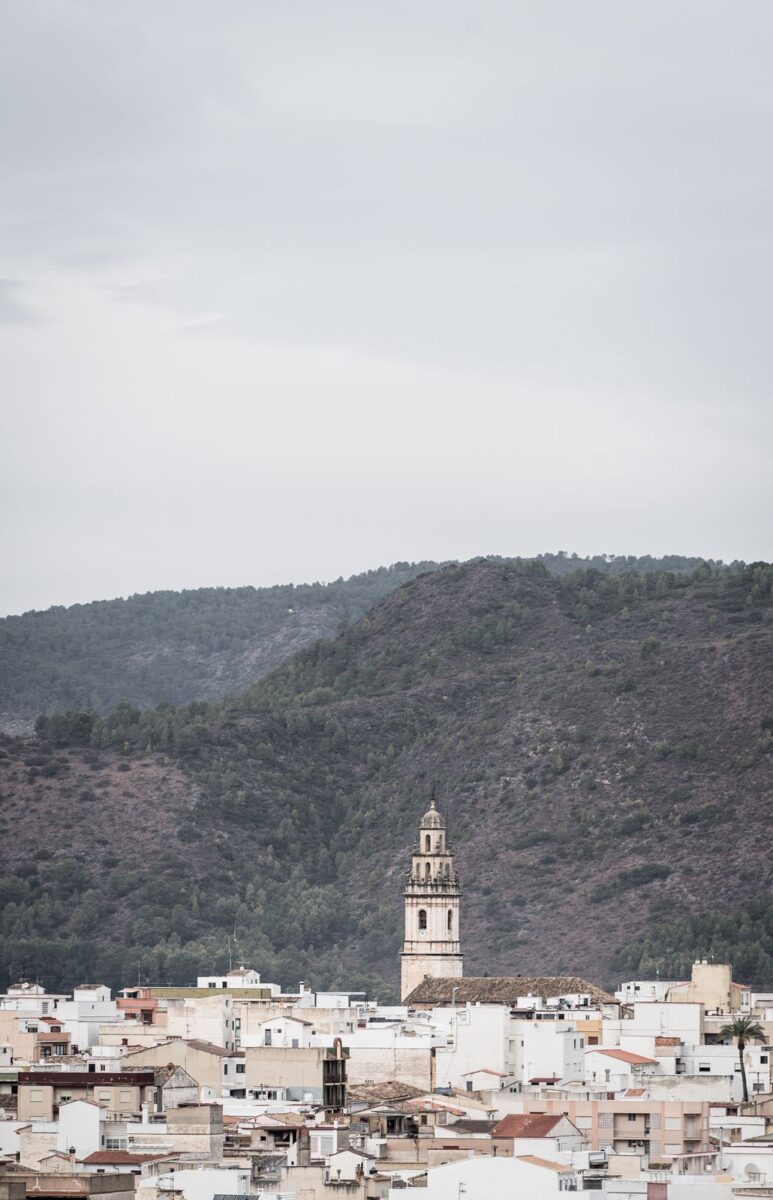
The ever-changing landscape also leaves a lasting impression. Within a relatively small area, cyclists can move from the Mediterranean coast into rugged mountain terrain, tackling everything from short, explosive ascents to long, steady climbs that test endurance. Together, they offer a veritable potpourri of opportunities for cyclists wishing to focus on different disciplines.
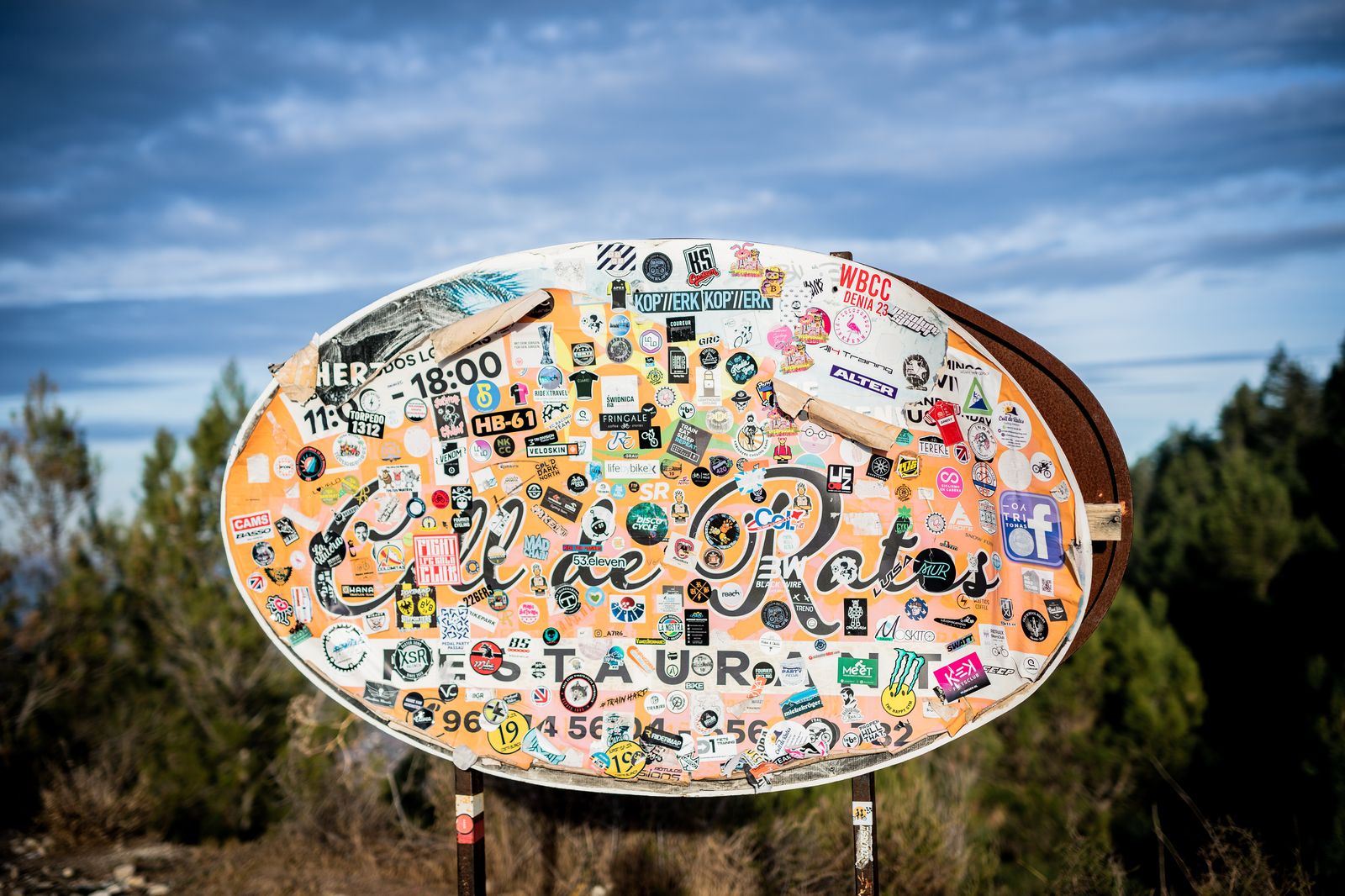
The Coll de Rates is perhaps the region’s defining climb, so popular for its steady, sustained ascent, not to mention its sweeping views of the Mediterranean, which dart in and out of sight.
But there are also countless lesser-known roads where cyclists can ride for kilometers without encountering heavy traffic. In addition, many of the mountain routes are well surfaced and relatively quiet, which allows cyclists to concentrate on riding rather than worrying about traffic.
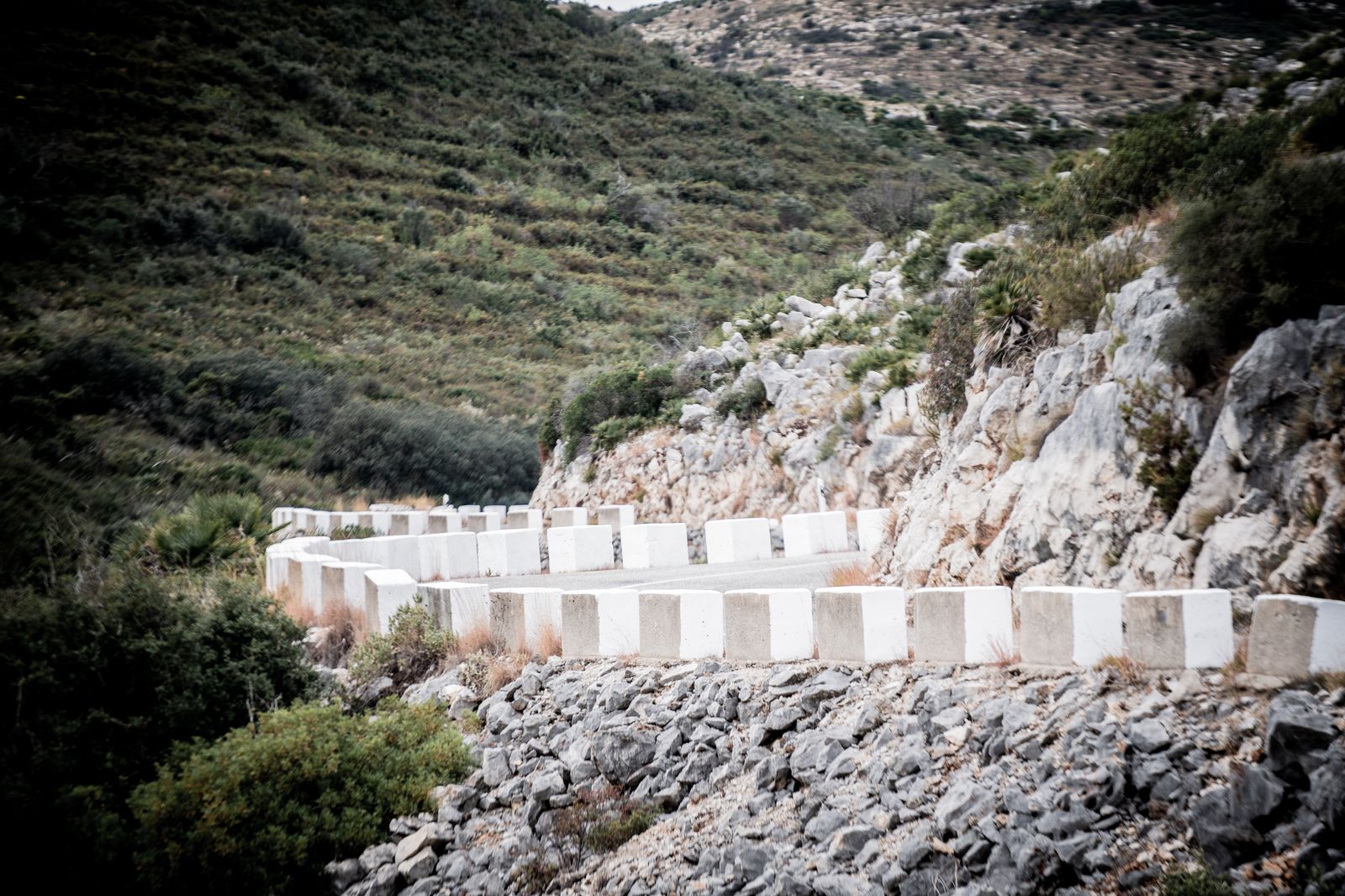
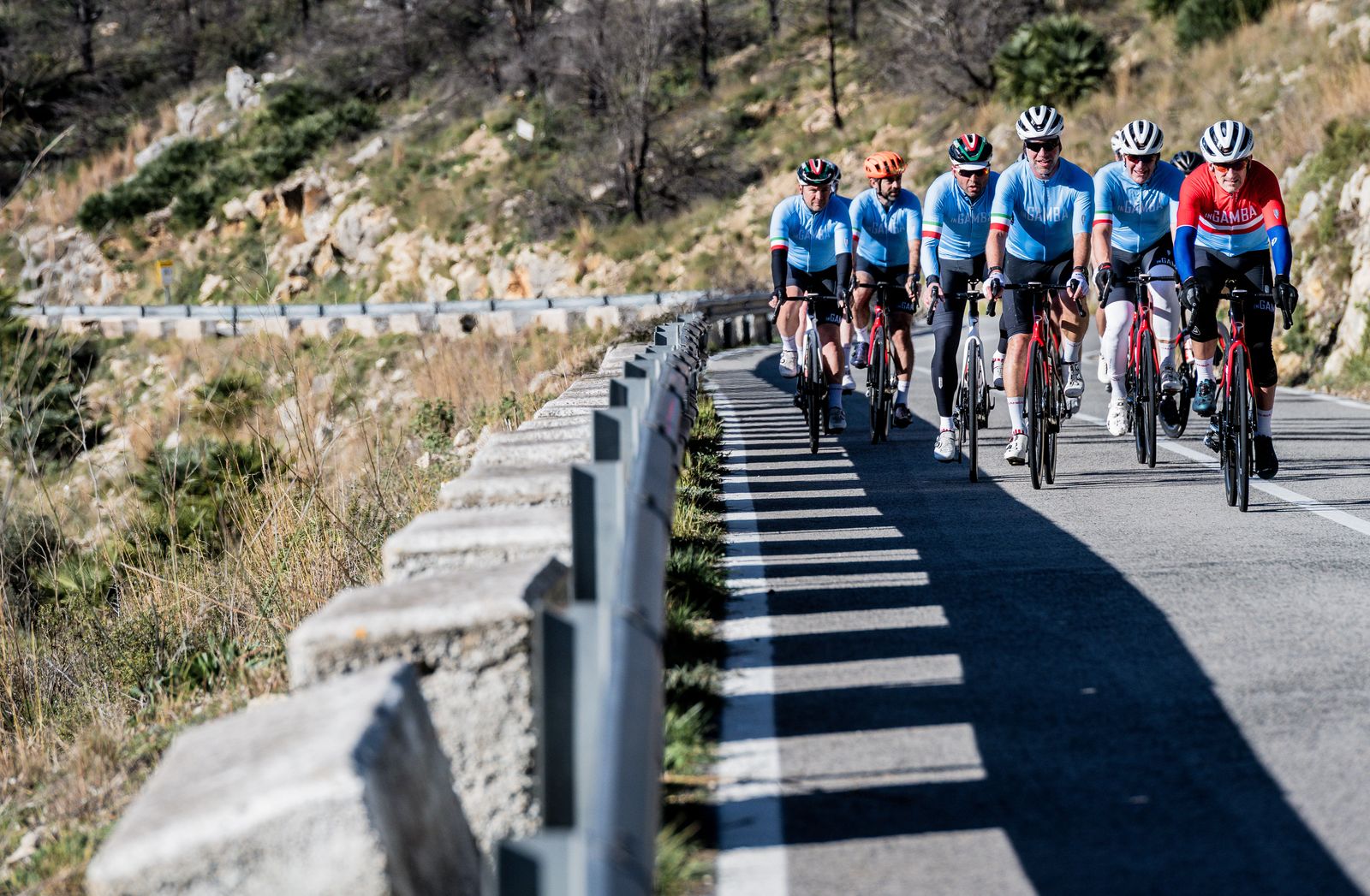
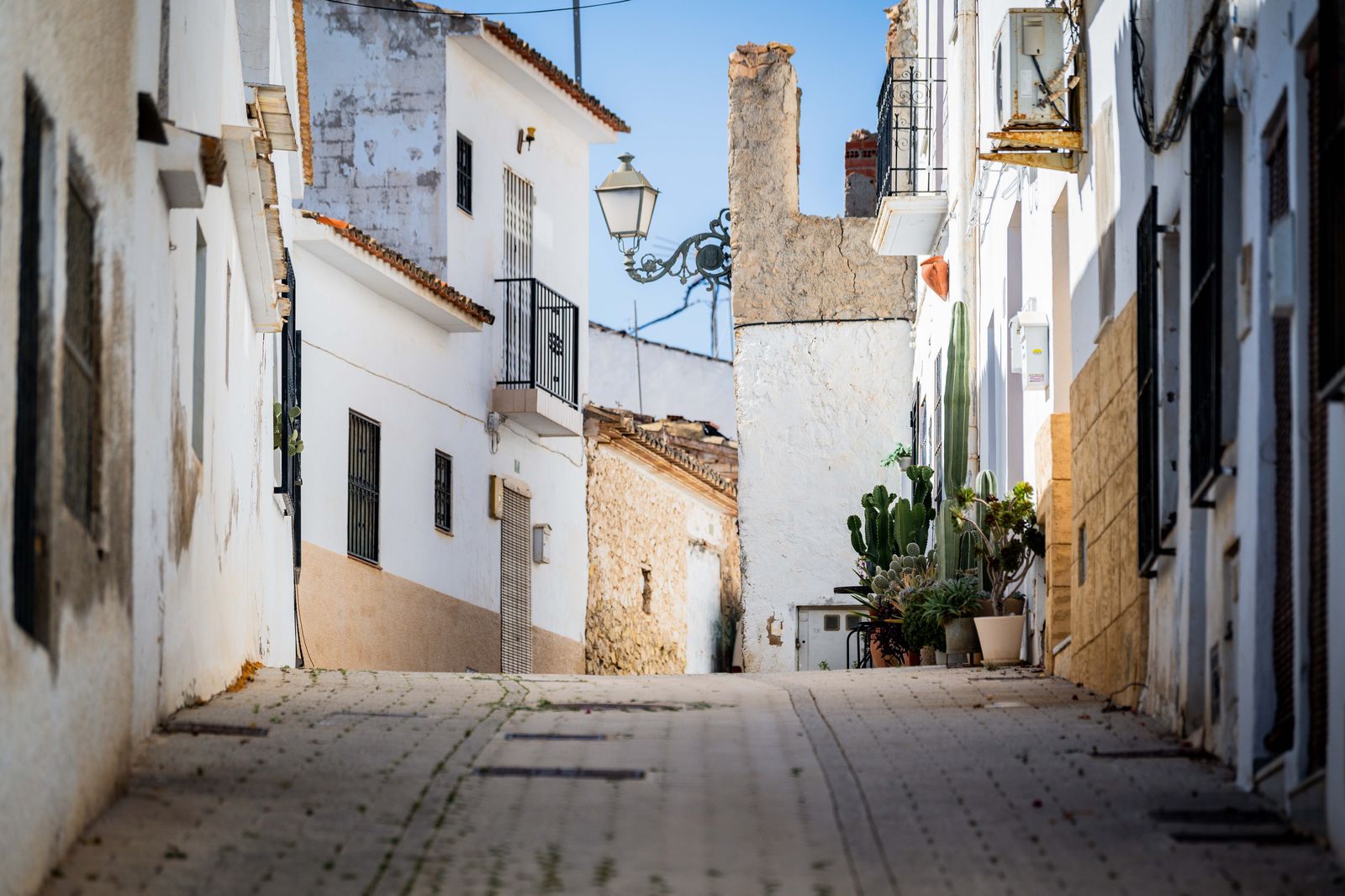
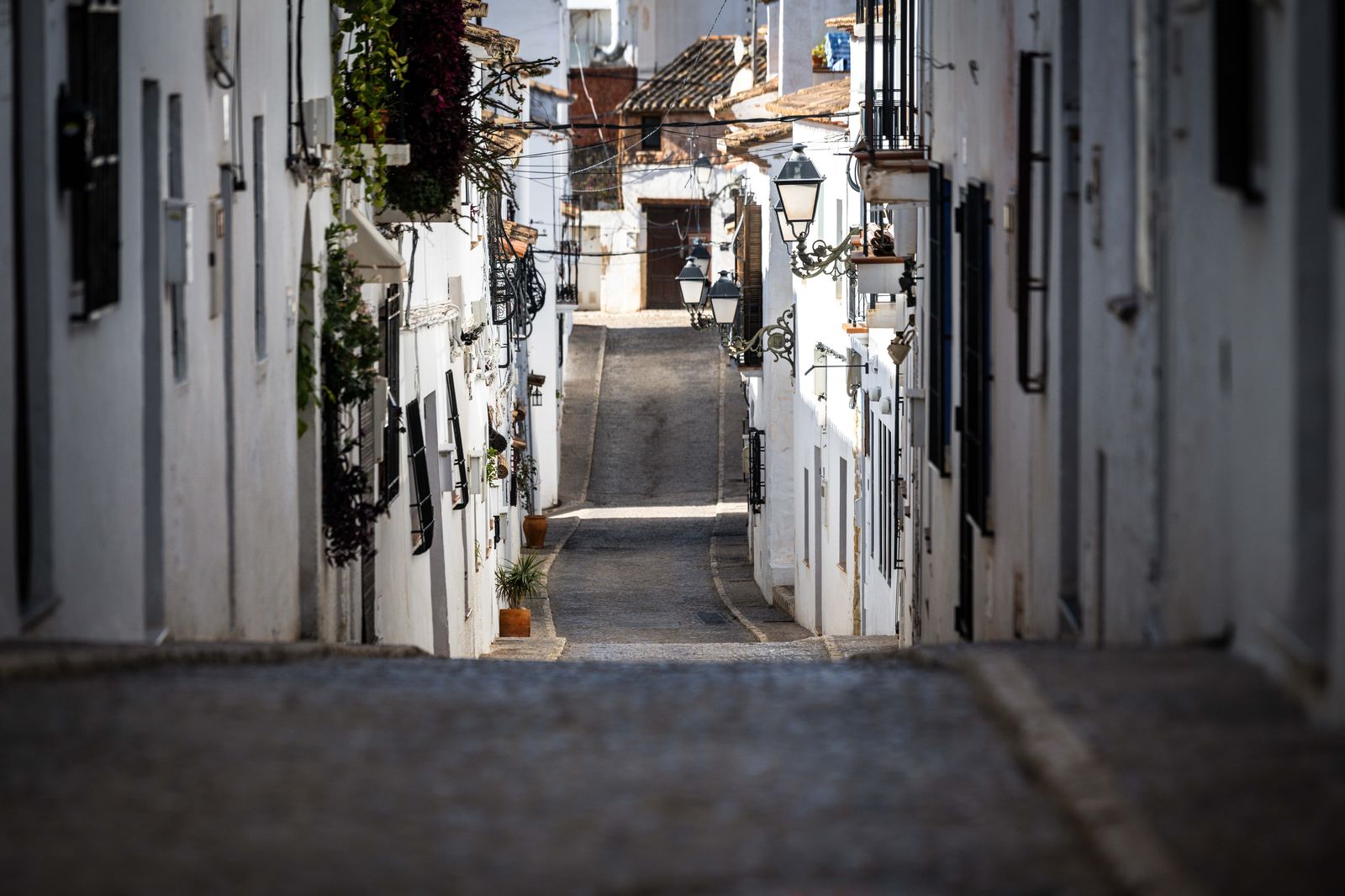
And then there is the climate: uniquely temperate in the winter months, while neighboring regions struggle with harsher conditions. But this corner of Alicante offers a microclimate all its own, making it an ideal training ground during the winter months.
But while the Coll de Rates and Coll de Vall d’Ebo are the most popular training roads, it is the Alto de Aitana that has been at the heart of the Vuelta a España in recent years, with no fewer than five summit finishes here since 2010.
These are just some of the reasons why inGamba comes here year in and year out, and why these trips are so popular. For any cyclist, there is a sense of belonging when you are in Alicante. And it is easy to call it home.